Analog vs Digital Tire Pressure Gauge
Choosing between an analog and a digital tire pressure gauge comes down to how you prioritize simplicity, durability, and readability at the valve stem. Both tools can measure inflation pressure effectively, but they behave differently in cold weather, tight spaces, and after repeated use. This comparison explains the strengths and limitations of each design so you can match the tool to your driving situation and maintenance habits without guessing.
Direct answer
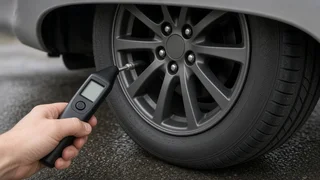
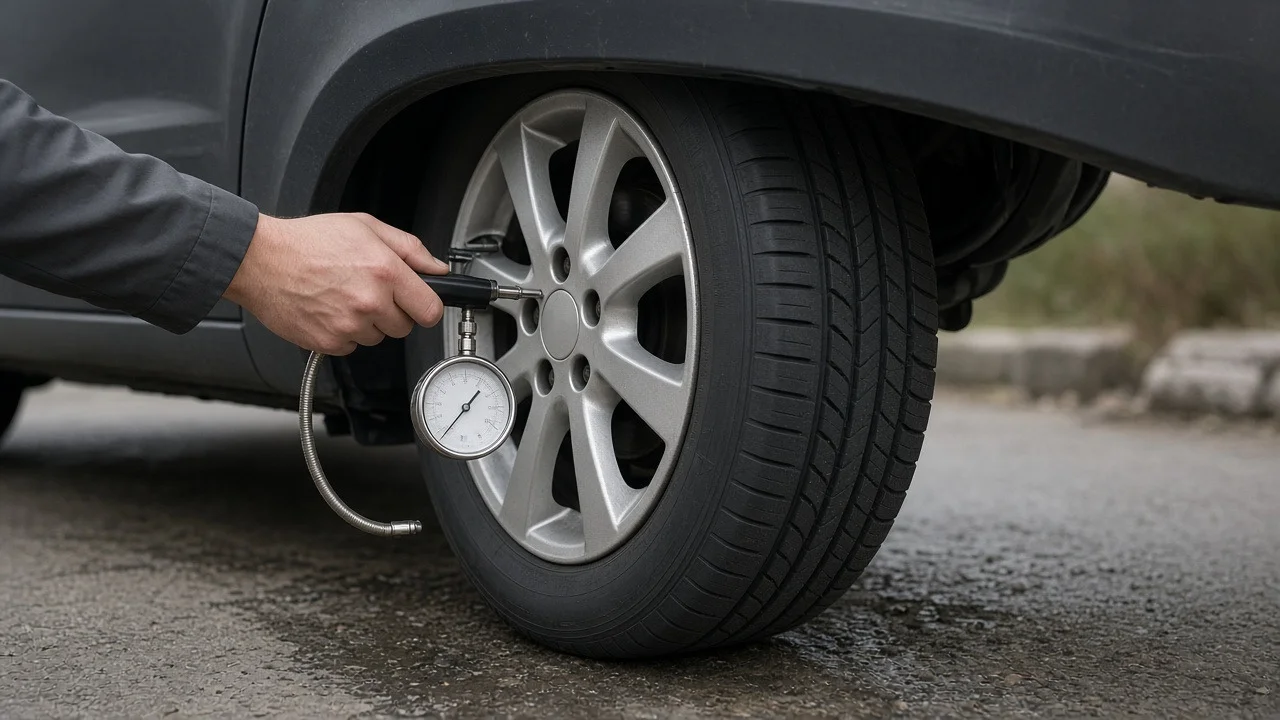
For most drivers, an analog tire pressure gauge offers a dependable, battery-free design that works well for occasional checks, while a digital gauge provides easier reading and often finer resolution on its display. Neither type is universally superior; the right choice depends on whether you value a mechanical needle and durable housing or a numeric readout that removes the guesswork of estimating needle position. Your typical checking conditions and need for precision should guide the decision.
Accuracy and calibration also shape the immediate answer. A quality analog gauge with a clear dial can remain consistent for years, though it may need mechanical calibration after hard drops. A digital gauge typically reads in 0.5 psi or 0.1 psi increments and eliminates parallax error, but it depends on battery condition and sensor stability. If you check pressures in a dark garage or want quick confirmation against the vehicle specification, the digital display may be easier. If you store the tool in a glovebox and prefer no batteries, analog is more straightforward.