Lincoln Town Car Ignition Coil Replacement
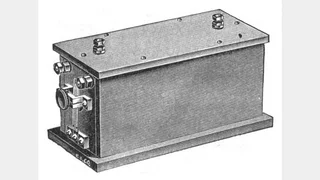
Ignition coil replacement on a Lincoln Town Car addresses the component that steps battery voltage up to the high-energy spark needed for combustion. On coil-on-plug examples such as the 2003 model, each coil sits directly over a spark plug, while earlier 1998 through 2001 versions can use a coil pack arrangement depending on the build. Symptoms in these years often include a misfire, rough idle, reduced power, or a flashing check-engine light. Because similar symptoms can also come from the starter circuit, battery state of charge, ignition switch, fuel delivery, or weak cranking speed, a misfire or coil code should guide diagnostic checks rather than automatically condemn the coil. Understanding the specific ignition layout, what faults to interpret, and how replacement differs from other ignition work helps produce a reliable repair.
Essential answer
Replacing an ignition coil on a Lincoln Town Car is the service of removing the failing spark-producing unit and fitting a compatible replacement so the affected cylinder fires consistently again. The job is not the same as a spark plug change, although plugs are often inspected at the same time because a worn plug can overtax a coil. On models with a coil-on-plug design, each cylinder has its own small transformer mounted in the valve cover area. The replacement point may be a single misfiring coil, or a set when the owner wants uniform aging across the engine. A confirmed misfire on one cylinder, plus evidence that the coil is not producing a strong secondary spark, is the usual reason for this replacement.
The precise process depends on the model year and engine configuration. A 2003 Lincoln Town Car ignition coil replacement typically involves disconnecting the electrical connector, releasing the mounting fastener, and lifting the coil boot off the plug. Earlier examples such as the 1998, 1999, 2000, or 2001 Lincoln Town Car ignition coil service may differ if the vehicle uses coil packs that fire multiple cylinders through spark plug wires. In either case, the coil is an ignition secondary component, not part of the starter circuit. Cranking speed and battery state of charge can affect how the engine starts, but the coil's job begins when the ignition switch has already engaged and the engine is turning. Diagnostic checks help separate a true coil failure from a fuel delivery issue, low battery voltage, or a connector problem that mimics ignition trouble.