Lincoln Town Car Wheel Offset
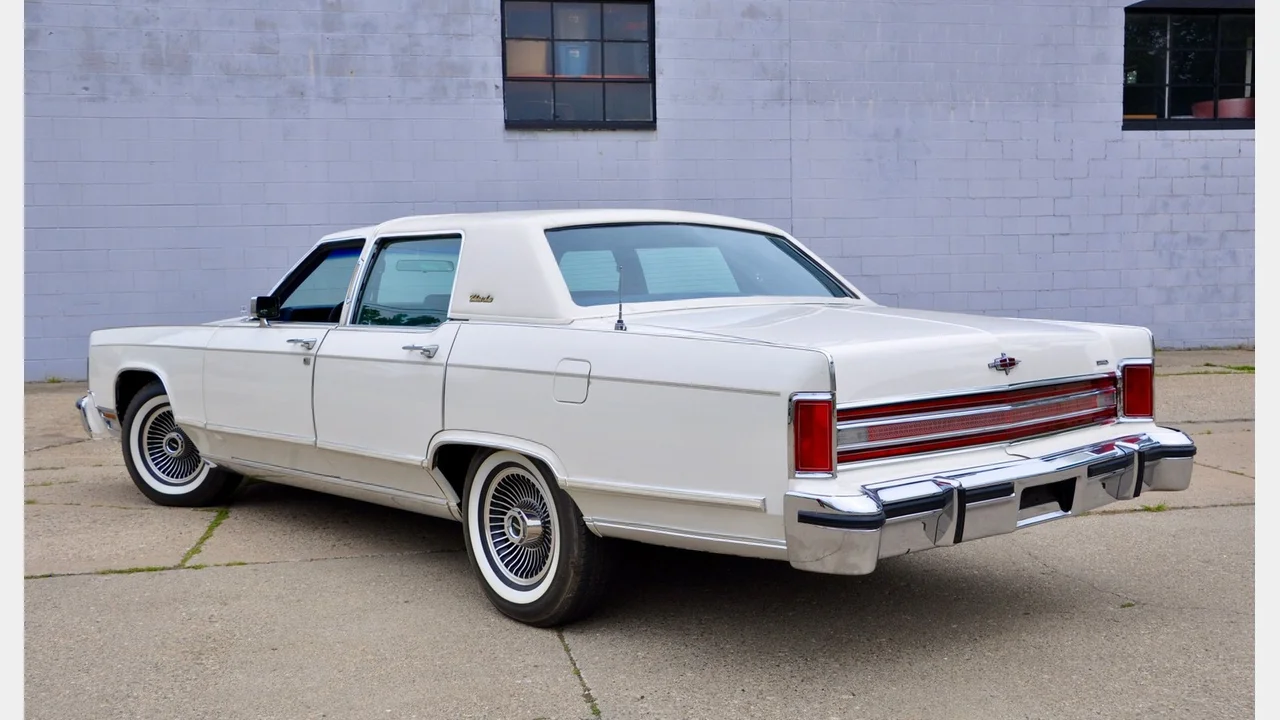
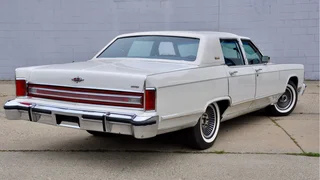
Understanding wheel offset helps you evaluate how a Lincoln Town Car's wheels position the tire within the wheel well. Offset is the distance between the wheel's mounting surface and its centerline, measured in millimeters. For a large rear-drive sedan, this dimension influences steering feel, suspension geometry, and whether the tire contacts the fender or suspension. Because the Town Car spans many model years and trim packages, the appropriate offset depends on rim width, diameter, and the specific suspension configuration. The following explanation outlines why offset matters and how to interpret the specifications for your vehicle.
Essential answer
Wheel offset describes where the hub mounting face sits relative to the rim's true centerline. Zero offset means the mounting face is exactly centered. Positive offset pushes the mounting face toward the outside of the wheel, tucking the tire inward. Negative offset moves it toward the brake side, pushing the tire outward. For a Lincoln Town Car, factory wheels typically use a positive offset, which keeps the tire centered under the body and preserves the smooth, isolated ride character associated with the platform.
Without a confirmed specification for every model year, treat offset as a range to verify against the actual rim width and suspension design. A wider aftermarket wheel with the same offset as stock will distribute additional width on both sides of the hub. Changing offset alters steering scrub radius and bearing load, so a wheel that clears the fender at rest may still rub during suspension compression or full steering lock. Measuring the existing wheel or checking the stamping on a factory rim gives a reliable starting point.