Land Rover Freelander 2 steering angle sensor

A steering angle sensor on a Freelander 2 is not a hidden luxury item; it is the electronic input that tells the stability, traction, and hill-descent systems exactly where the driver is pointing the front wheels. When the signal becomes implausible, warning lamps, heavier steering effort, or disabled driver aids often follow. Understanding the part resolves confusion between a failed component, a lost calibration value, and a mechanical issue elsewhere in the steering or suspension that changes the sensor’s reference position.
Essential answer
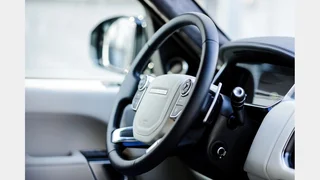
The essential answer is that the Freelander 2 steering angle sensor measures steering wheel position and rate of turn, then reports that data to modules managing stability control. It is typically integrated into the steering column area rather than mounted at the road wheels. The reading must agree with yaw, wheel-speed, and lateral acceleration inputs. A small drift or center-point error can make the vehicle think it is cornering when it is traveling straight, which is why the signal matters even when the driver feels no mechanical fault.
This sensor should be understood as a reference device, not a wear part with a fixed life. After wheel alignment, steering rack work, battery disconnection, or suspension repairs, the stored straight-ahead position may no longer match the actual geometry. The resulting faults often indicate a calibration or plausibility problem rather than automatic sensor replacement. Joint play, altered ride height, mounting points, or incorrect fastener specification can also create steady-state errors that the system interprets as a sensor defect, so diagnosis begins with reading the live angle value and checking related suspension and steering inputs.