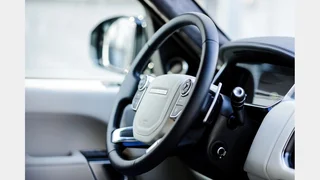
Land Rover Discovery 3 steering angle sensor
The Land Rover Discovery 3 relies on a steering angle sensor to translate wheel position into an electronic signal used by stability and traction systems. When this component acts up, the vehicle may display warning messages, alter braking behavior, or disable certain terrain and safety functions. The issue is often called an LR3 steering angle sensor fault. Understanding what the sensor does helps owners separate simple calibration issues from wiring or module problems.
Essential answer
A steering angle sensor on the Discovery 3 measures the rotation of the steering wheel and the rate at which it turns, feeding that data to the ABS and stability control modules. The vehicle compares the driver’s steering input with yaw and wheel speed information to detect a slide or unintended path. When the signal is missing or implausible, the system cannot confidently manage braking intervention, so it may store a fault code and illuminate a warning lamp.
Because a steering angle sensor fault is a symptom rather than a complete diagnosis, the useful first step is to read the specific chassis code. The stored code identifies whether the signal is absent, out of range, or not calibrated. Wiring damage, disturbed wheel alignment after suspension work, low battery voltage, or a failed sensor can all create similar warnings. Interpreting the code narrows the cause without assuming the sensor itself has failed.