Land Cruiser Model Years: Every Generation by Year
The Toyota Land Cruiser has been built since the early 1950s, so "Land Cruiser model years" covers roughly seven decades of vehicles. Toyota organizes them into numbered series, such as the 40, 60, 80, 100, 200 and 250 Series. Each series is a model generation: a distinct platform and body with its own engines and equipment. Which years apply to you depends heavily on the market. Several generations sold elsewhere never reached US showrooms, and US model years often differ from the global production dates.
The Short Answer
In the US, the Land Cruiser was sold from about 1958 through the 2021 model year. It skipped the 2022 and 2023 model years and returned for 2024 as a new, smaller generation. The US-market generations, in order, are the 20 and 40 Series, the 55 Series wagon, the 60 Series, the 80 Series, the 100 Series, the 200 Series, and the current 250 Series. The heavy-duty 70 Series, the Prado line before 2024, and the full-size 300 Series were not sold new in the US as Land Cruisers.
Land Cruiser Generations by Year
The table below lists the main generations with approximate years. Start and end dates vary by market, and production often overlapped. Treat the ranges as a general guide, not exact cutoffs for any single vehicle.
Series | Approximate years | Body style | Sold new in the US; 20 Series | Mid-1950s to 1960 | Short utility, soft top and hardtop | Yes, in small numbers from about 1958; 40 Series | 1960 to mid-1980s | Two-door utility, pickup and longer-wheelbase variants | Yes, into the early 1980s; 55 Series | Late 1960s to 1980 | Four-door wagon | Yes; 60 Series | 1980 to 1990 | Four-door wagon | Yes, about the 1981 to 1990 model years; 70 Series | 1984 to present in some markets | Utility, pickup, troop carrier and wagon | No; 80 Series | 1990 to 1997 | Four-door wagon | Yes, about the 1991 to 1997 model years; 100 Series | 1998 to 2007 | Four-door wagon | Yes, 1998 to 2007 model years; 200 Series | 2007 to 2021 | Four-door wagon | Yes, 2008 to 2021 model years; 300 Series | 2021 to present | Four-door wagon | No; the Lexus LX is the US relative; 250 Series | 2024 to present | Four-door wagon | Yes, from the 2024 model year
How the Generations Differ
Early Utility Models: 20, 40 and 55 Series
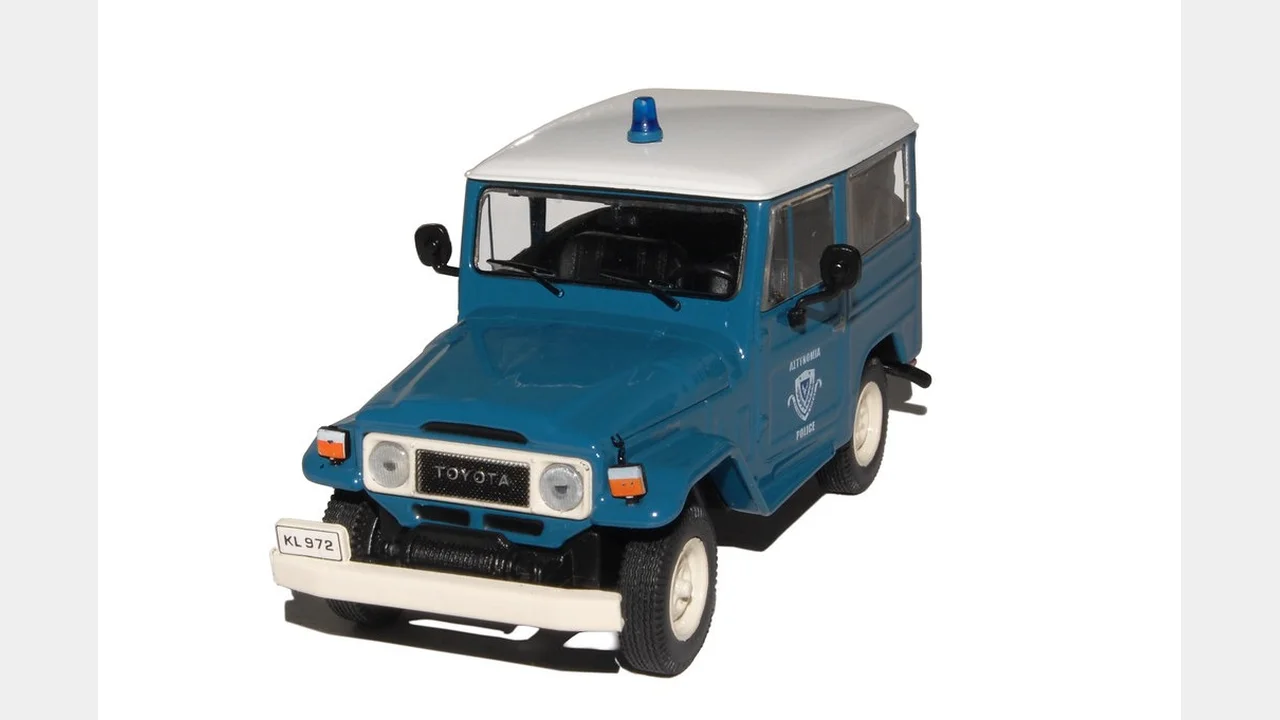
The early Land Cruisers were simple, body-on-frame off-roaders with solid axles and inline-six gasoline engines. The 40 Series, often called the FJ40 in the US, is the best-known classic, with a long production run and many body styles. The 55 Series added a larger four-door wagon for family use, though it kept the rugged basics. Equipment was sparse, and these vehicles are now mostly bought as collector or restoration projects.
The 60 Series
The 60 Series moved the wagon toward everyday comfort, with more interior space and more available features. In the US, enthusiasts commonly split it into the earlier FJ60 and the later FJ62. The FJ62 brought a fuel-injected engine, an automatic transmission and a revised front end. That difference matters when comparing listings from the late 1980s.
The 80 Series
The 80 Series introduced a more rounded body, coil-spring solid axles and full-time four-wheel drive. US models used inline-six gasoline engines. A larger engine replaced the original partway through the run, and enthusiasts generally treat the early years (FJ80) and later years (FZJ80) as distinct powertrain variants. Some trucks came with optional front and rear locking differentials. Collectors pay close attention to this equipment, so check a specific truck rather than assuming it has lockers.
The 100 Series
The 100 Series brought a V8 engine to the US market and independent front suspension. It shifted the Land Cruiser further toward luxury and highway comfort while keeping body-on-frame construction and four-wheel drive. The Lexus LX of the same era shared its basic platform.
The 200 Series
The 200 Series was the largest and most upscale US Land Cruiser. It used a larger V8 and offered more technology and driver-assistance features in later years. It received updates during its long run, so a late example is noticeably different inside and out from an early one. The US sold it as a single, well-equipped trim, with occasional special editions near the end. The 2021 model year was the last before the US pause.
The 250 Series
The current US Land Cruiser belongs to the 250 Series. In other markets, this vehicle continues the line Toyota historically sold as the Land Cruiser Prado. It is smaller than the 200 Series, uses a turbocharged four-cylinder hybrid powertrain in the US, and leans on retro-inspired styling. It sits in a more accessible price class than its predecessor. US trim levels have included a base "1958" grade and better-equipped grades, along with a First Edition offered at launch. Check current offerings for a given model year, because trims and packages change.
Models That Share the Name but Weren't Sold in the US
70 Series: a workhorse line with utility, pickup and troop-carrier body styles, built for decades in markets such as Australia, the Middle East and Africa. Some older examples have been imported to the US under the 25-year import exemption. Prado (pre-2024 generations): a mid-size Land Cruiser line sold internationally. Its US counterpart was the Lexus GX, not a Toyota-badged Land Cruiser. 300 Series: the full-size successor to the 200 Series in many markets. In the US, the related vehicle is sold as the Lexus LX.
Model Year vs. Build Date
A model year is the year a vehicle is marketed as, while the build date is when it actually left the factory. These don't always match. A vehicle built in the fall of one calendar year is often sold as the next model year. Generation changeovers make this especially confusing: the 200 Series entered production in 2007, but the first US examples were 2008 model-year vehicles. When a listing's year sits near a changeover, confirm which generation it actually is.
To identify a specific Land Cruiser, check these sources in order:
VIN: on 17-character VINs (standard from the 1981 model year), the tenth character encodes the model year, and the full VIN can be decoded to confirm the model and market specification. Door jamb or certification label: usually shows the month and year of manufacture. Model code: Toyota's chassis and model codes, such as FJ62 or FZJ80, identify the series and often the engine family. Title and registration: useful, but occasionally wrong on older or imported vehicles, so cross-check them against the VIN.
Choosing Among Land Cruiser Model Years
The right generation depends on how you plan to use the vehicle:
Collectors and vintage enthusiasts: the 40, 55 and 60 Series. Condition, originality and rust are usually more important than the exact year. Off-road builders on a classic platform: the 80 Series is popular for its solid axles and available lockers. Comfortable, capable daily drivers: the 100 and 200 Series offer V8 power and a more refined ride, with condition and maintenance history being key. New-vehicle buyers: the 250 Series is the only Land Cruiser currently sold new in the US.
Whatever generation you consider, verify the exact model year, powertrain and equipment of the individual vehicle. Within one generation, mid-cycle changes and market-specific equipment can make two Land Cruisers of the same name meaningfully different.