How to identify a car model

A car model identifier narrows a vehicle to its maker, model generation, body style, trim level and market specification, not just a badge or name. This matters when ordering parts, checking recalls, comparing insurance data or confirming what you are actually looking at. Because a single name can span decades and several platforms, identification works best when several physical and documentary clues agree. The process combines visible badges, stamped codes, option content and registration documents, then checks those signals against images or build records for the same era. No single sticker should be treated as proof until it matches the surrounding vehicle.
Direct answer
The essential answer is that a vehicle is identified by its manufacturer-assigned model identity: the nameplate, model generation and model year combined with the body configuration, powertrain variant and market specification. For everyday use, the important unit is not merely “Accord” or “Silverado.” It is the specific series and trim that determine which components the vehicle received when it was built. A passing glance at a grille or decklid badge can give the nameplate, but the complete identifier becomes useful only when those extra details are collected.
A condition that changes identification is the difference between a marketing name and an engineering designation. The same model name may appear on a sedan, coupe or crossover, and a mid-cycle refresh can alter fascias while the underlying model generation stays the same. Imported or regional market specifications may share a badge but use different lighting, engines or trim names. Therefore a car model is identified correctly when the badge, body style, approximate model year and trim cues all point toward the same generation and specification rather than relying on one label alone.
Identification and location
Recognizing the correct item begins with the largest visible cues. Body style and proportions usually sort the vehicle into a generation: a four-door sedan, two-door coupe, hatchback or utility body can eliminate many look-alikes. Lighting shapes, bumper contours, wheelbase and rear pillar design help distinguish a refreshed model from an earlier or later version that shares the same nameplate. Because automakers reuse styling themes across a lineup, compare the whole silhouette, not only the front grille, before deciding on a model generation.
Location-based clues then confirm the visible impression. The driver’s door jamb label commonly holds the manufacturer name and build date, but it is a compliance or certification label, not a universal proof of every option. An underhood or trunk sticker may carry paint and trim codes, while stamped chassis identifiers are useful only where they are legally or safely readable. Manufacturer-dependent codes and model-year boundaries vary by brand, so a label should be checked against the vehicle’s physical equipment. If the apparent model year and the option content do not agree, treat the identification as unresolved until a clearer record or image set matches.
How to proceed
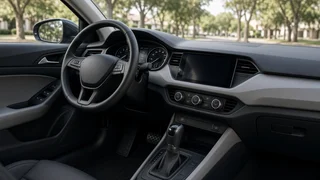
The practical sequence is to record what is visible, read what is documented, then compare the two. Begin with the badges, wheel design, body openings and interior controls, noting the trim level clues such as seat material, climate control panel and instrument cluster style. Next, use the registration or title data for the recorded model year and market information, while remembering that clerical entries can be incomplete. The goal is not to decode one number in isolation but to see whether the documents describe the same body style, generation and major equipment that the vehicle displays.
A completion check is that the nameplate, exterior generation cues, interior trim and paperwork all support one coherent model identity. If they conflict, stop before ordering a part or making a purchase decision based on the uncertain result. A vehicle that has been repaired or customized may carry a fascia from another model year, and a fault code or a replaced component is not evidence of the original build specification. In those cases, narrow the identification by the structural body and permanent model cues, and obtain manufacturer-specific confirmation before relying on the result.