Kia Sedona Check Engine Light: What It Means and What to Do Next

The Short Answer
When the check engine light comes on in a Kia Sedona, the engine control system has detected a fault in the engine, emissions or related electronic systems and stored a diagnostic trouble code. The light does not identify the problem on its own. The next step is to read that stored code with an OBD-II scan tool, then decide how urgent the repair is based on the code and on how the light is behaving.
The most important qualification is whether the light is steady or flashing. A steady light generally indicates a fault that should be diagnosed soon but is not usually an immediate emergency. A flashing light generally indicates an active engine misfire severe enough to risk damaging the catalytic converter, and the vehicle should be driven gently, or not at all, until it is checked.
What the Light Covers
The check engine light, also called the malfunction indicator lamp, is tied to the engine computer's onboard diagnostics. In vehicles that use the OBD-II standard, the computer monitors sensors and systems that affect engine operation and emissions. When a monitored value falls outside expected limits, it stores a code and, depending on the fault, turns on the light.
Because the light covers a wide range of systems, the same warning can point to anything from a minor evaporative emissions leak to a serious ignition or fuel problem. That is why the stored code, not the light itself, is the starting point for any diagnosis.
Steady Versus Flashing
Light behavior | What it generally indicates | Suggested response; Steady | A stored fault that needs diagnosis | Read the code soon; watch for changes in how the van drives; Flashing | An active misfire that can overheat and damage the catalytic converter | Reduce load and speed, avoid hard acceleration, and arrange inspection promptly; Steady with obvious symptoms (rough running, loss of power, overheating, unusual smells) | A fault affecting how the engine runs | Treat as urgent and have it checked before further normal driving
Practical Next Steps
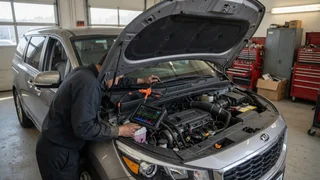
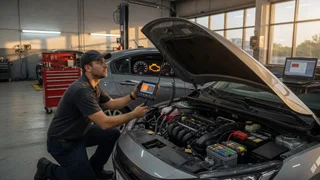
Check the fuel cap first. A loose or poorly sealing cap is a common trigger for an evaporative emissions code. Tighten it until it clicks and note that the light may take several drive cycles to go out on its own. Read the stored code. An OBD-II scan tool plugs into the diagnostic port under the dashboard on the driver's side. Many auto parts stores and repair shops can read codes, and inexpensive handheld or Bluetooth readers are widely available. Record the code and any freeze-frame data before clearing anything. Clearing codes erases information a technician may need, and the light will return if the fault is still present. Look at how the vehicle is driving. Rough idle, hesitation, stalling, reduced power, a temperature warning or a fuel smell all raise the urgency. Match the code to your exact vehicle. Interpret the code using information specific to your Sedona's model year and engine, since likely causes and repair procedures can differ between generations and powertrains.
Model-Year and Powertrain Caveats
The Sedona was sold across several generations with different engines, so the most likely cause behind a given code is not the same for every van. The general guidance above applies broadly, but this guide does not have verified, model-year-specific data on common Sedona fault codes, known failure patterns, technical service bulletins or recalls. Owners should check recall and service bulletin status for their specific vehicle identification number with a Kia dealer or official recall lookup, and should confirm any repair against service information for their model year and engine.
When to Get Professional Help
A code reader tells you which system reported a fault, but not always which part has failed. A misfire code, for example, can stem from ignition, fuel delivery or mechanical causes. If the light is flashing, if the van is running poorly, or if the code points to something beyond a simple fix such as the fuel cap, a qualified technician can perform the follow-up tests needed to pinpoint the cause before parts are replaced.