KBB Car Value: A Practical Guide to Used Car Pricing and Trade-In Estimates
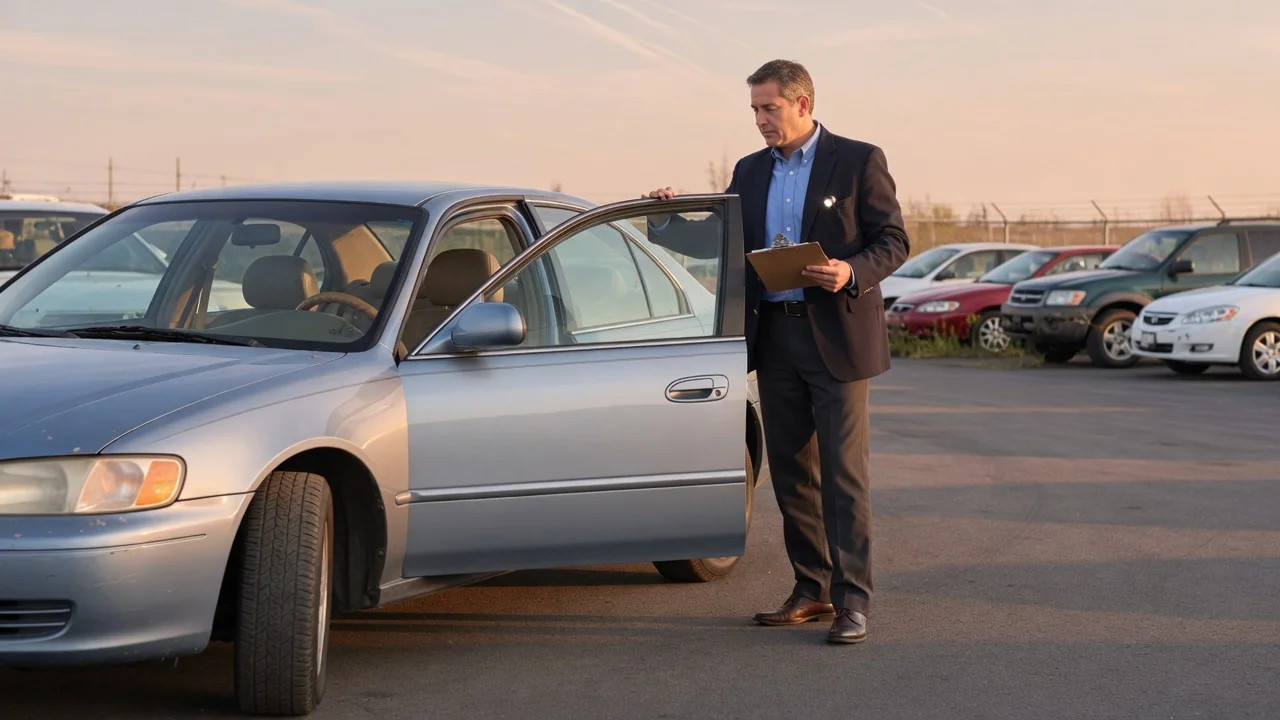
What KBB car value means
KBB car value is a market-based estimate of what a used vehicle is worth, published by Kelley Blue Book. The value is not a single fixed number. It changes with vehicle condition, mileage, equipment, geographic location and market demand. The estimate is a negotiation reference, not a promise that a buyer or dealer will pay that exact amount.
Main value types to know
Kelley Blue Book typically separates pricing into trade-in value and private party value. Trade-in value is usually lower because a dealer must account for reconditioning, sales overhead and profit margin. Private party value is usually higher because it reflects what one individual might pay another individual in a direct sale. A third figure, suggested retail or certified used value, reflects what a dealer might ask on a lot.
How condition affects the number
KBB asks for a condition rating, often ranging from fair to excellent. The definition of each rating is strict. A vehicle with worn seats, stained carpet or minor body damage usually falls below excellent, even if it runs well. Overstating condition is a common reason a KBB value seems higher than a real offer. When in doubt, choosing a lower condition tier produces a more conservative and realistic baseline.
Using a VIN for a more specific estimate
Entering the vehicle identification number allows the pricing tool to decode the exact year, make, model, trim, engine and factory options. This reduces errors from manual trim selection. It can also reveal whether the vehicle has a history of reported accidents, branded titles or fleet use. However, a VIN does not capture mechanical wear or cosmetic defects that are only visible in person, so the condition input still matters.
KBB used car values compared with NADA and Edmunds
KBB, NADA and Edmunds all provide used car value estimates, but their methods differ. NADA values have historically been used more by banks and dealers for loan and trade contexts. Edmunds bases some of its guidance on actual transaction data and regional trends. KBB remains widely recognized by consumers and is often used as a quick trade-in reference. Because the three sources can disagree by several hundred dollars or more on the same vehicle, it is useful to check at least two of them.
Trade-in value of a car: what to expect
The trade-in value of a car is a wholesale-oriented estimate. A dealer will rarely pay private party value for a trade because the dealer must make the vehicle sale-ready and still earn a margin. Expect the actual trade offer to fall below the KBB private party figure and sometimes below the trade-in figure if the vehicle needs tires, brakes, paint correction or other reconditioning. A clean vehicle with complete service records and two keys generally supports a stronger offer.
Why the final offer may differ from the online value
Online values are estimates based on aggregated market data. A live offer depends on local supply and demand, auction trends, the cost of any needed repairs and the dealer's current inventory needs. Seasonal demand also matters: a rear-wheel-drive sports car may be harder to sell in winter, while a four-wheel-drive truck may carry a regional premium in mountain or rural markets. These factors are not always fully visible in a national pricing tool.
A practical way to use KBB car value
For a private sale, use the private party range as a starting point and compare it with local listings of similar vehicles. For a trade-in, obtain the KBB trade-in range, then ask the dealer for a written purchase offer before discussing a new vehicle. Separating the trade negotiation from the new car purchase helps reveal whether a strong trade figure is being offset by a higher sale price elsewhere in the deal. If a dealer's offer is below the KBB range, ask which condition or reconditioning factors were used.
Known limits and data gaps
This guide does not include live pricing data because current values change frequently and depend on exact trim, mileage, ZIP code and condition. There is no single universal used car value. Any specific KBB, NADA or Edmunds figure should be treated as a point-in-time estimate rather than a fixed transaction price. For a current number, the vehicle's details must be entered into a current pricing tool or compared against completed local sales and dealer offers.