KBB Car Value: How Kelley Blue Book Pricing Works
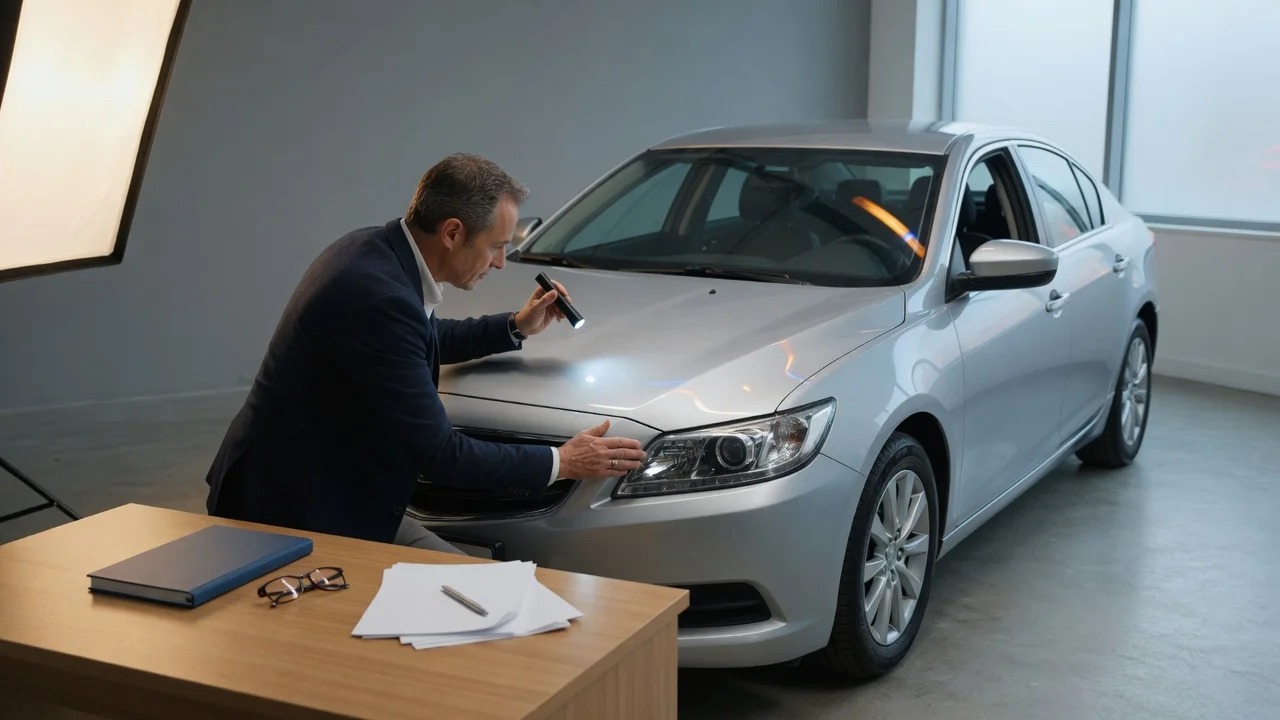
What a KBB car value is
A Kelley Blue Book (KBB) car value is an estimated market price for a specific vehicle, usually a used car, based on recent transactions, listings and condition. It is a pricing guide, not a guaranteed offer. Dealers, lenders, insurers and private buyers use it as a common reference, then adjust for the actual car, local demand and the type of deal.
KBB typically publishes several figures for the same vehicle rather than a single number. The figure that matters depends on whether you are trading in, selling privately, buying from a dealer or checking typical retail. Trim, model year, powertrain, options, mileage, condition, history and market all change the result. A value quoted without those details is only a starting range.
The main value types
Trade-in value is what a dealer may credit toward another vehicle. It is usually the lowest of the common KBB figures because the dealer takes on inspection, reconditioning, holding cost and resale risk. It is also typically a wholesale-style number, not what a retail buyer would pay.
Private-party value is a typical price between two individuals, with no dealer in the middle. It sits above trade-in and below dealer retail in most markets. The seller usually handles advertising, showing the car, paperwork and any remaining loan payoff.
Typical listing or retail value is closer to what a dealer may ask a retail customer. It can include reconditioning, warranty, financing and a dealer’s overhead. Fair purchase price and similar retail-oriented figures are buying references; they are not the same as what you should expect as a trade-in credit.
Trade-in: dealer credit toward another vehicle, generally the lowest common figure; Private party: typical sale between individuals, usually between trade-in and retail; Dealer retail or typical listing: asking-side price that may include reconditioning and overhead; Instant cash offer or similar dealer offers: a specific bid, which can differ from the published range
How to look up a value, including by VIN
A useful lookup starts with year, make, model and trim, then mileage, options, condition and ZIP code or region. Trim and powertrain matter because a higher trim, all-wheel drive, a preferred engine or a popular package can move the estimate by a large amount on the same nameplate.
A VIN lookup is more precise than typing the model name. The 17-character vehicle identification number encodes the manufacturer, model year, plant and, for many vehicles, the series or restraint and engine family. KBB and similar tools can use the VIN to lock the correct configuration so optional packages are not guessed. The VIN still does not fully describe current mileage, cosmetic condition, accident history, title brands or remaining warranty, so those details must be entered or checked separately.
If you do not have the VIN, use the window sticker, owner’s manual, build sheet or a dealer service record to confirm trim, engine and installed options. Wrong trim is one of the most common reasons an estimate looks too high or too low.
What moves used-car and trade-in numbers
Mileage is a primary input. Cars far below typical miles for the year often appraise higher; high-mileage examples appraise lower, especially if service history is thin. Condition grades (for example excellent, very good, good, fair) capture paint, interior wear, tires, mechanical issues and whether the car needs work before it can be sold.
History and title status can outweigh cosmetics. Accident repairs, salvage or rebuilt titles, flood brands, odometer discrepancies and unresolved recalls reduce what a buyer or dealer will pay. A clean Carfax-style history does not by itself prove the car is sound, but a branded title almost always narrows the buyer pool.
Options, colors and local demand also matter. Popular colors, towing packages, leather, navigation or advanced driver-assistance packages can add value on some models and little on others. Seasonal and regional demand (for example four-wheel-drive trucks in winter markets) can pull a local trade-in above or below a national average. Fuel prices, interest rates and new-car incentives affect used values as well, so a figure from several months ago may no longer match today’s market.
Using the number when you sell, trade or buy
Treat the KBB range as a negotiation band, then compare it with recent local listings for the same year, trim and mileage. For a trade-in, get written offers from more than one dealer and, if the car is paid off, a private-party listing price as a check. The difference between trade-in and private-party is the cost of convenience: time, risk and paperwork versus a higher proceeds figure.
If a loan is still outstanding, the relevant comparison is payoff versus the offer, not the original purchase price. Negative equity (payoff higher than trade-in) has to be paid in cash or rolled into the next deal. Positive equity can be applied to a down payment or taken as cash, depending on the dealer and lender.
When you are buying, use typical retail or fair-purchase figures against the asking price, then inspect the specific car. An asking price at or below KBB retail is not automatically a good deal if the vehicle needs tires, brakes, bodywork or has a problematic history. An independent inspection and a vehicle history report sit alongside the pricing guide; they are not replaced by it.
Limits of the estimate
KBB does not inspect your car. The published value assumes the condition, options and history you enter are accurate. Unusual modifications, commercial use, taxi or rideshare history, unrepaired damage and rare configurations may fall outside the model. Classic, exotic and very low-volume vehicles are often better valued by specialist guides or recent auction and dealer comparables.
Different guides (KBB, NADA/J.D. Power, Black Book, dealer wholesale auctions) can disagree on the same VIN because they weight wholesale versus retail data differently. Lenders may use a specific book and a specific condition for loan-to-value. A dealer’s actual bid can also differ from the consumer-facing range because of lot mix, certification programs and how quickly that model sells in that ZIP code.
No single public source in this guide supplies a live dollar figure for a given VIN. To get a current number, enter the vehicle’s VIN or year/make/model/trim, current mileage, options, condition and location in Kelley Blue Book’s valuation tool, then compare that range with local listings and at least one in-person or written offer.