Jeep 4.0: timing belt or chain
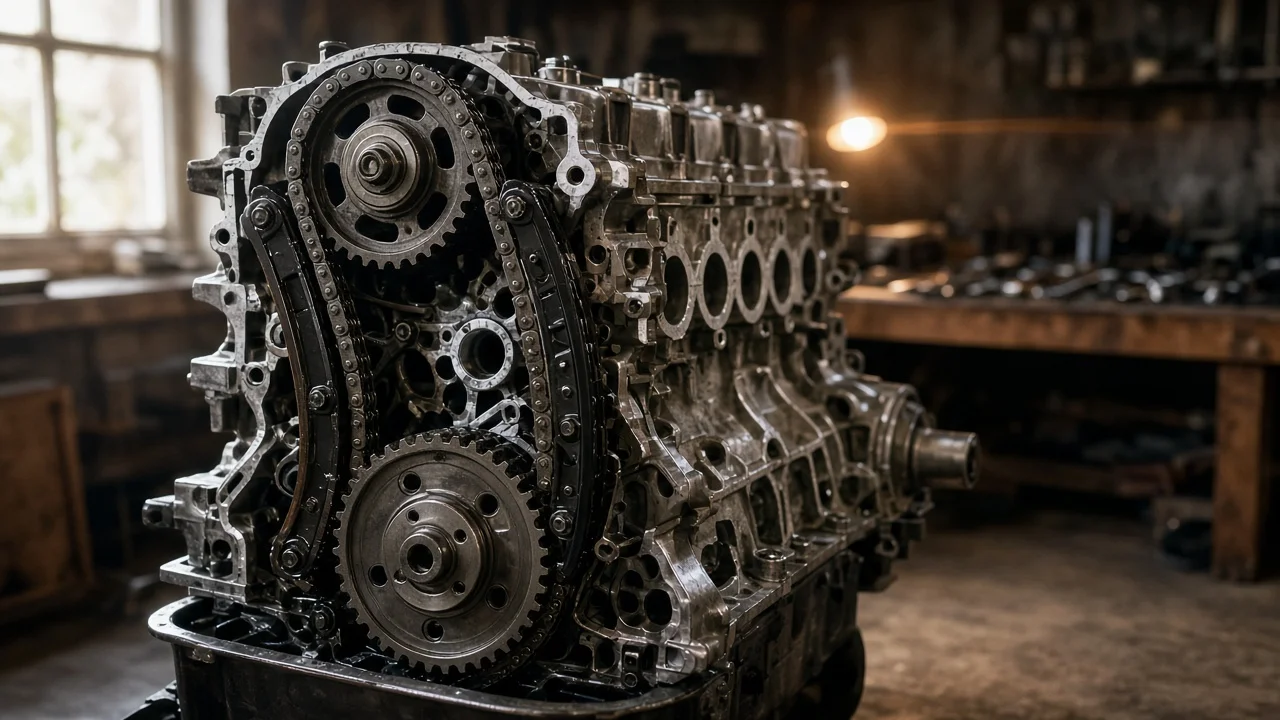
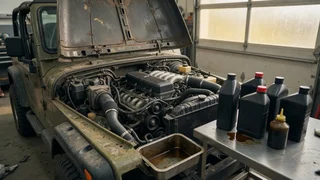
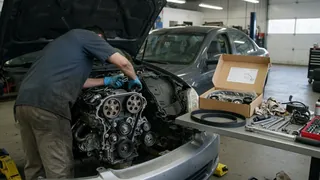
The Jeep 4.0 inline-six has a reputation for straightforward, durable engineering, and the camshaft drive system is part of that picture. When owners ask whether this engine uses a timing belt or chain, they are usually planning service or evaluating a used vehicle. The answer affects replacement intervals, inspection priorities, and the noises worth investigating. Understanding the distinction helps you interpret service history and diagnose a rattle or rough idle without mistaking one wear pattern for another.
Essential answer
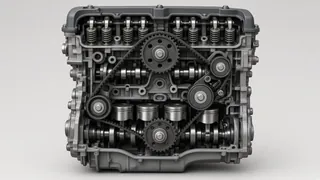
The Jeep 4.0 engine uses a timing chain, not a timing belt. This cam-in-block inline-six design places the chain at the front of the block, where it links the crankshaft sprocket to the camshaft sprocket. A timing chain is a metal link assembly that runs in engine oil, unlike a rubber timing belt that typically runs dry behind a cover. For the 4.0, that distinction means the chain is not part of a routine belt replacement schedule in the way a timing belt would be, though it can still wear, stretch, or develop guide and tensioner problems over high mileage.
Because the 4.0 is an overhead-valve engine, its single camshaft sits low in the block. This creates a short chain path compared with overhead-cam engines, reducing the amount of slack the tensioner must control. The chain still relies on oil pressure and mechanical spring tension to stay stable, so a worn tensioner or low oil condition can produce a metallic rattle, especially on a cold start. When inspecting a 4.0, listen for that startup rattle and look for evidence of repeated high-mileage oil changes, since the service history is often the most useful predictor of timing chain condition for this engine.