Japanese used pickup trucks
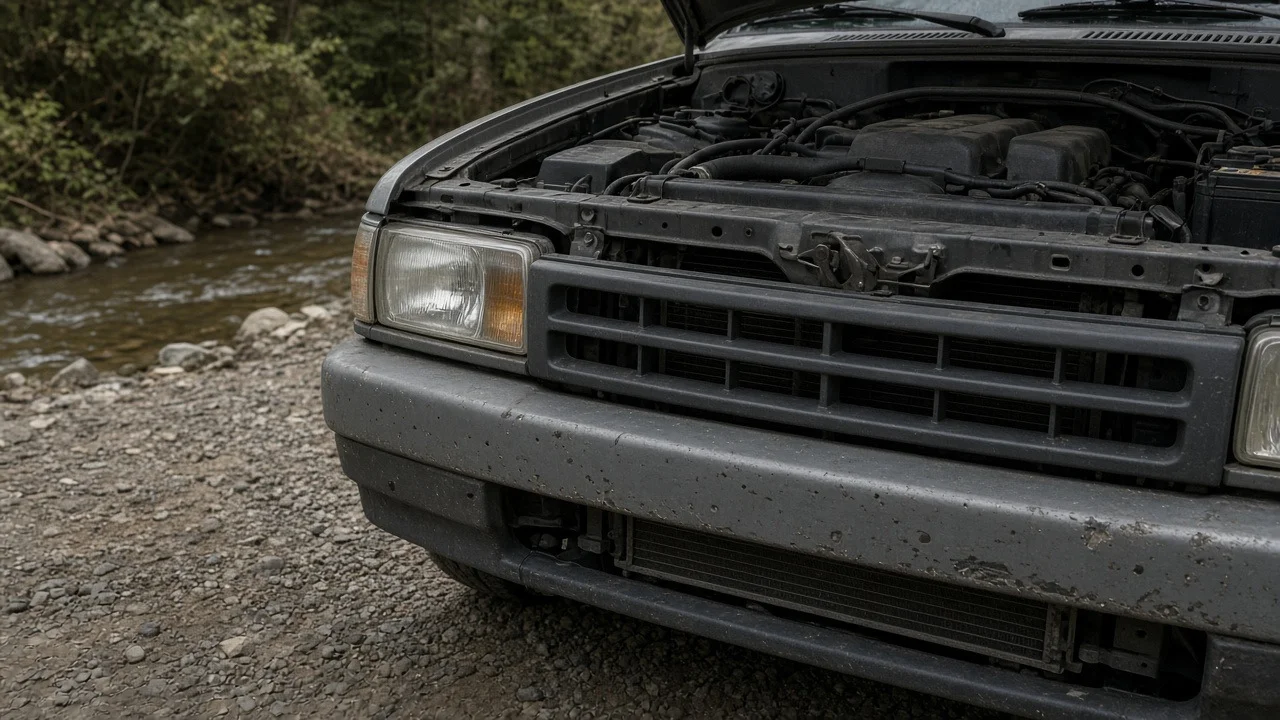
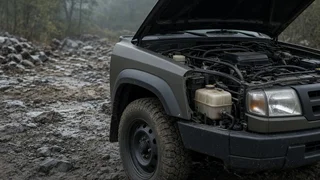
Choosing among Japanese used pickup trucks means weighing body style, vehicle configuration, payload expectations, and how passenger space and cargo access fit your daily operating conditions. Many buyers start with a model name, but the more useful filter is ownership needs: cab size, bed length, drivetrain, and import history. A tidy low-mileage example can still carry hidden corrosion, auction-grade ambiguity, or parts delays. Understanding the market segments and inspection priorities helps you avoid paying for a clean exterior while inheriting a truck that fights your intended use.
The direct answer
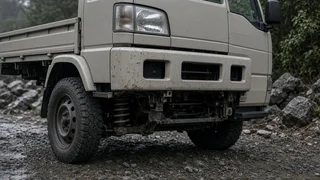
The direct answer is yes: Japanese used pickup trucks can be excellent buys for US owners who need a durable, practical hauler or a distinctive compact work vehicle. The value depends on matching the body style and vehicle configuration to your routes, climate, and load needs. A single-cab long-bed model suits contractors prioritizing cargo access, while a crew-cab short-bed version better balances passenger space with occasional hauling. There is no single best truck; the right pick is the one whose configuration aligns with the way you actually park, load, and drive it.
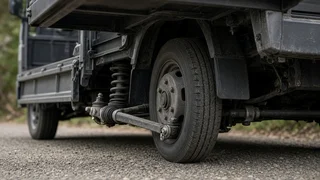
When evaluating these imports, treat condition and history as more important than the badge on the grille. Older Japanese pickups often tolerate hard operating conditions, but age, rust exposure, and prior commercial use introduce real variation. Diesel and gasoline examples may both be listed, and their service needs can differ by engine family and import path. Because parts availability and emissions compliance vary, the practical answer is conditional: a well-documented truck with a straightforward drivetrain and minimal structural corrosion is generally worth pursuing, while an undocumented example with heavy rust should be approached cautiously.