Japanese pickup trucks
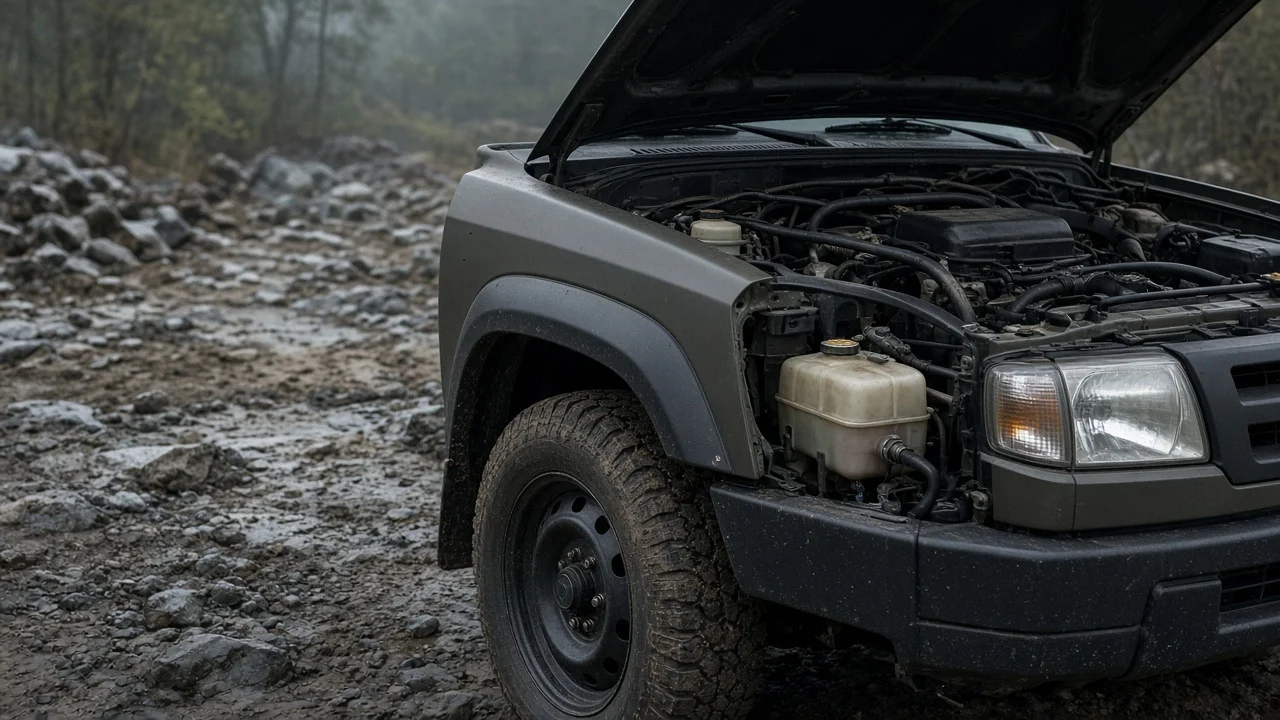
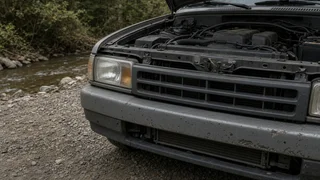
Japanese pickup trucks span compact workhorses, midsize adventurers, and larger commercial chassis, each shaped around a different body style and vehicle configuration. Buyers in the United States often weigh passenger space, cargo access, and how a truck fits specific operating conditions. The term can refer to models engineered in Japan, produced elsewhere under a Japanese brand, or sold historically in North America. Understanding that distinction helps match ownership needs to the available designs without assuming every Japanese-brand truck follows one formula.
Essential answer
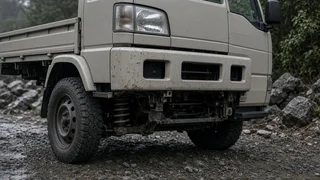
A Japanese pickup truck is best understood as a truck developed with the design priorities common to Japanese manufacturers: efficient packaging, predictable handling, and durable mechanical systems scaled to the intended duty cycle. In the American market, the category has included compact models built for tight urban or rural roads, midsize trucks that balance towing potential with everyday comfort, and cab-over or commercial variants where maneuverability and payload matter more than highway refinement.
The essential answer to “what are Japanese pickup trucks” therefore depends on era and configuration. Older compact trucks often prioritized a small footprint and simple driveline, while modern midsize designs add four-door passenger space, deeper cargo beds, and off-road-oriented trim levels. Approaching the question through body style and operating conditions is more useful than treating every Japanese-brand truck as a direct alternative to a full-size American pickup, because each configuration solves a different ownership problem.