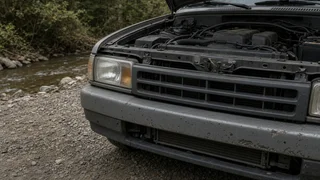
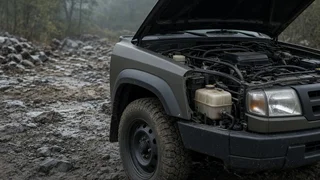
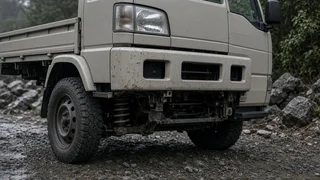
American vs Japanese pickup trucks
Choosing between American pickup trucks vs Japanese models comes down to how you use a truck, not which badge has the better reputation. American designs have traditionally emphasized large frames, strong towing numbers, and broad full-size body styles, while Japanese trucks often lead in mid-size maneuverability, fuel-conscious operation, and durable daily driving. The right comparison weighs passenger space, cargo access, vehicle configuration, and your ownership needs under real operating conditions. A truck that excels on a jobsite may feel oversized in a city, and a nimble mid-size may fall short for heavy trailer duty.
Direct answer
The immediate answer is that neither American nor Japanese pickup trucks are universally better. American full-size trucks remain strong choices when payload, maximum towing capacity, cab room, and broad aftermarket support dominate the ownership needs. Japanese mid-size and compact trucks often fit buyers who want easier parking, lower fuel consumption, predictable long-term durability, and a more manageable footprint for commuting or light recreation.
The useful distinction is not country of origin alone but body style and vehicle configuration. A full-size American truck serves a different job than a mid-size Japanese model, even when both carry the pickup label. Compare them by how they handle your loads, roads, and daily routine. If you tow heavy trailers frequently, lean toward the larger American design. If you drive unloaded most days and need cargo access in tight spaces, the Japanese option is usually more practical.