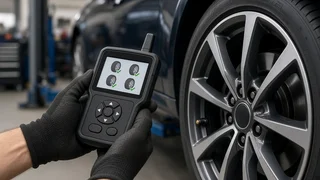
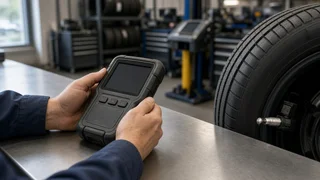
ITM 08001 Sensor-Aid TPMS Tool
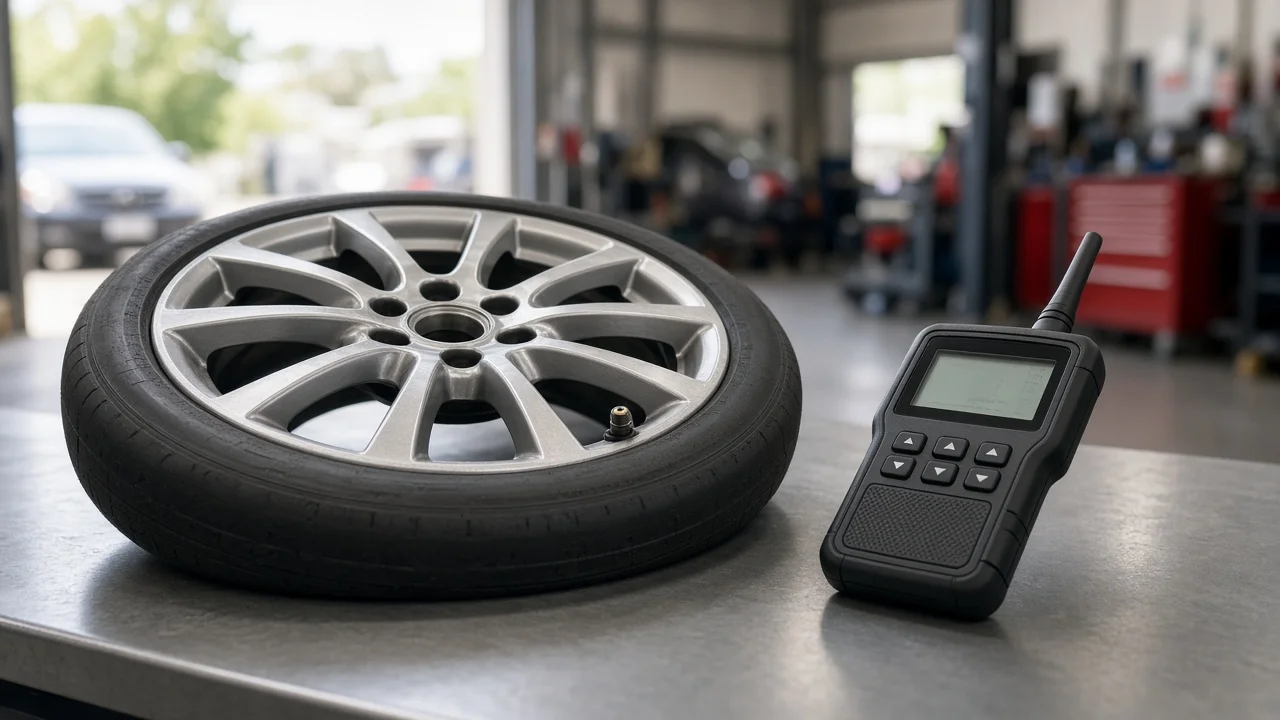
A tire pressure monitoring system warning can turn a routine drive into a guessing game, especially after a rotation, seasonal wheel swap, or sensor replacement. The ITM 08001 Sensor-Aid black TPMS diagnostic and programming tool is designed for owners and shops who want to interact directly with sensor IDs and relearn procedures. The right purchase decision depends on what the tool can trigger, what it can display, and when a warning light still requires vehicle-specific confirmation or a physical inspection before parts are replaced.
The direct answer
The ITM 08001 Sensor-Aid black TPMS diagnostic and programming tool is primarily a low-frequency activation and diagnostic aid for tire pressure monitoring sensors. It can wake many universal and direct-fit sensors, read a sensor ID, and assist with common relearn flows. It is not a full bidirectional scan tool, so its value sits between a basic magnet trigger and a more expensive programmer with broader vehicle coverage and live data.
A buyer should treat the tool as a trigger and confirmation aid, not a replacement for the vehicle’s scan data. If the goal is to program blank sensors, clone IDs, or diagnose intermittent signal loss, the practical ability of the unit depends on the sensor brand, vehicle system type, and whether the car enters its relearn mode. Checking that the tool supports the intended sensor protocol is more useful than comparing generic TPMS tool advertising.
Understanding a problem
A TPMS warning light can have several causes: low inflation, a sensor with a weak or dead battery, a sensor that lost its stored ID after a wheel rotation, or a receiver that did not complete the learn procedure. Live data and freeze-frame style information from the vehicle can reveal which wheel position is reporting irregular pressure or missing entirely, but a trouble code is evidence to interpret rather than proof that any particular part has failed.
Symptom conditions matter because a spare wheel, winter set, or newly installed sensor may be physically sound but not yet recognized by the system. Using a TPMS activation tool can confirm whether a sensor responds and whether its ID is being seen during a relearn attempt. If the car uses an auto-learn system, a drive cycle may be required before judging the sensor faulty. When a code or warning persists after the correct relearn and inflation check, vehicle-specific service information and a confirmation test should guide the next part replacement decision.