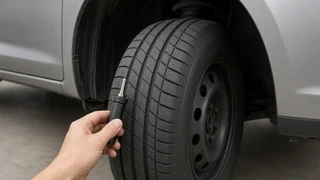
Interstate Pneumatics TG32 Tread Depth Gauge
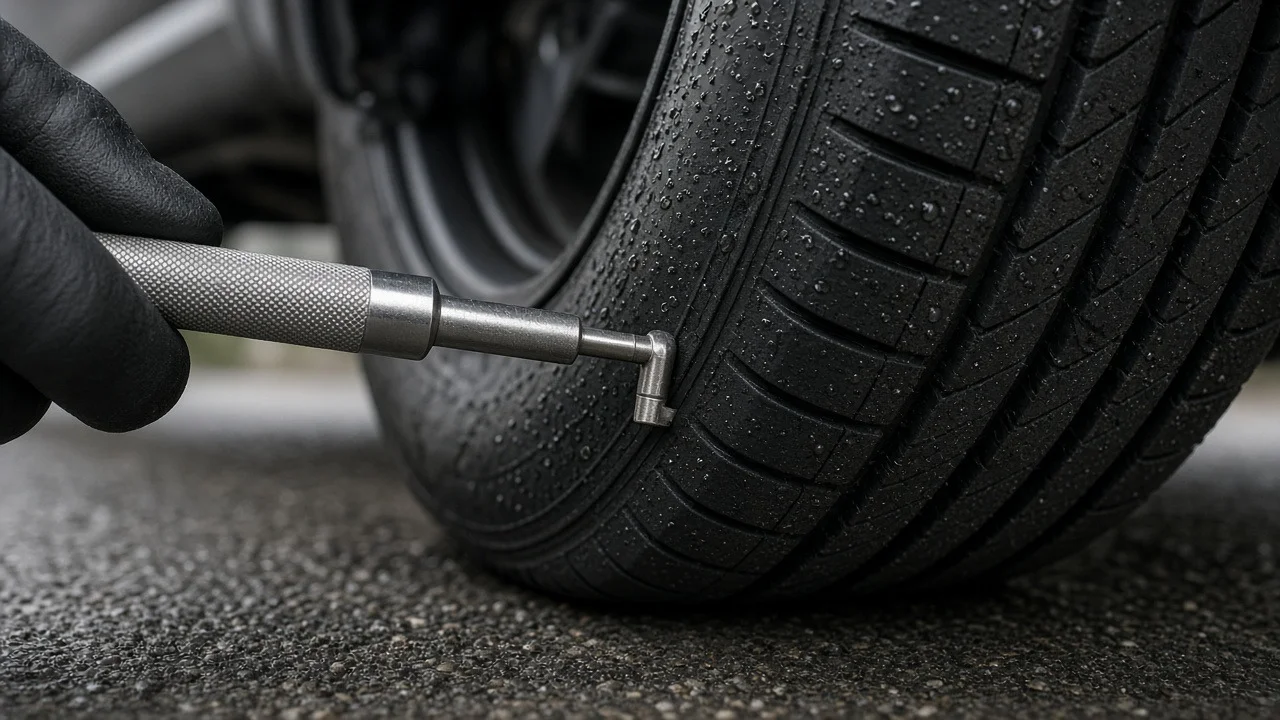
Choosing the Interstate Pneumatics TG32 professional dial type tire tread depth gauge comes down to repeatable measurement and mechanical simplicity, not dashboard estimates or coin tests. A dial gauge translates small changes in tread block height into a readable needle movement that helps you judge wear before wet-road performance and following distance safety erode. Because no confirmed price or calibration specification is supplied here, the practical purchase decision should focus on how the tool reads, what can disturb its accuracy, and how it compares with other measurement methods for road conditions, visibility, and driver attention.
The direct answer
The direct answer is that this gauge is intended to provide a repeatable dial-type reference for tire tread depth, but its value depends on verification against a known reference and consistent technique. If your immediate question is whether it can tell you when a tire is legally or practically worn, the tool can support that judgment by making small differences easier to see than a visual inspection. It does not by itself certify that a tire is safe, because tread condition also involves uneven wear, sidewall damage, age, and the specific demands of wet roads and reduced visibility.
The material condition that changes the answer is calibration. A dial indicator may be knocked out of zero during storage or use, so you should confirm the needle returns to a clear starting position before relying on a reading. For tire wear decisions, the most useful approach is to sample multiple grooves across each tire rather than trust one spot. This helps reveal shoulder wear or center wear that can affect road manners and driver attention long before the lowest reading reaches a replacement threshold.