Importing a Car from the USA to the UK: What the Process Involves
The short answer
You can import a car from the USA to the UK and use it on British roads, but it is not a matter of shipping it and driving away. The car has to be declared to HM Revenue and Customs (HMRC), any import tax due has to be settled, it usually has to show it meets UK road-safety and construction standards, and it then has to be registered with the Driver and Vehicle Licensing Agency (DVLA) before it gets UK number plates. How much of that applies, and what it costs, depends mainly on the car's age, its specification and your own circumstances, such as whether you are moving to the UK and bringing a car you already own.
What makes a US import different
Most of the extra work comes from the gap between US and UK standards. US cars are built to American federal regulations, not the UN-based type-approval rules the UK uses. As a result, a new or recent US-market car generally has no UK-recognised approval and has to be approved individually. The car will also have been set up for driving on the right, which affects headlight aim and sometimes other lighting and equipment. Being left-hand drive does not by itself stop a car from being registered in the UK.
The main stages
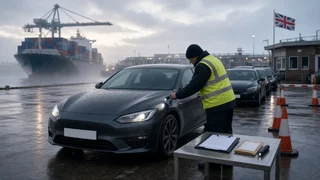
Notify HMRC that the vehicle has arrived, using the Notification of Vehicle Arrivals (NOVA) service, usually within a short window after arrival. Pay any import duty and VAT due, or claim a relief if you qualify. Get the car approved for UK roads, usually through Individual Vehicle Approval (IVA), an inspection that checks the car against British standards, unless it is old enough to be exempt. Make any modifications the approval or roadworthiness test requires. Get an MOT (the annual roadworthiness test) if the car is old enough to need one. Insure the car and apply to the DVLA for first registration, which gives it a UK registration number.
Tax and reliefs
Cars imported from outside the UK are generally liable for import duty and VAT, worked out on the car's value plus shipping and related costs. There are exceptions that can change the bill a lot. People moving their main residence to the UK may be able to bring a car they have owned and used abroad without paying these charges, under transfer of residence relief, as long as they meet its conditions. Vehicles of historical interest may qualify for a reduced rate. The current duty and VAT rates, and the exact conditions for each relief, were not part of the information available for this guide, so check them with HMRC before you buy or ship.
Approval and common modifications
For a car that needs approval, Individual Vehicle Approval is the usual route for US imports. Older vehicles can be exempt from approval and go straight to the MOT and registration stages. The DVLA sets the exact age threshold for this exemption, so confirm it for your car.
The changes a US car needs vary by make, model year and specification. Items that often come up include:
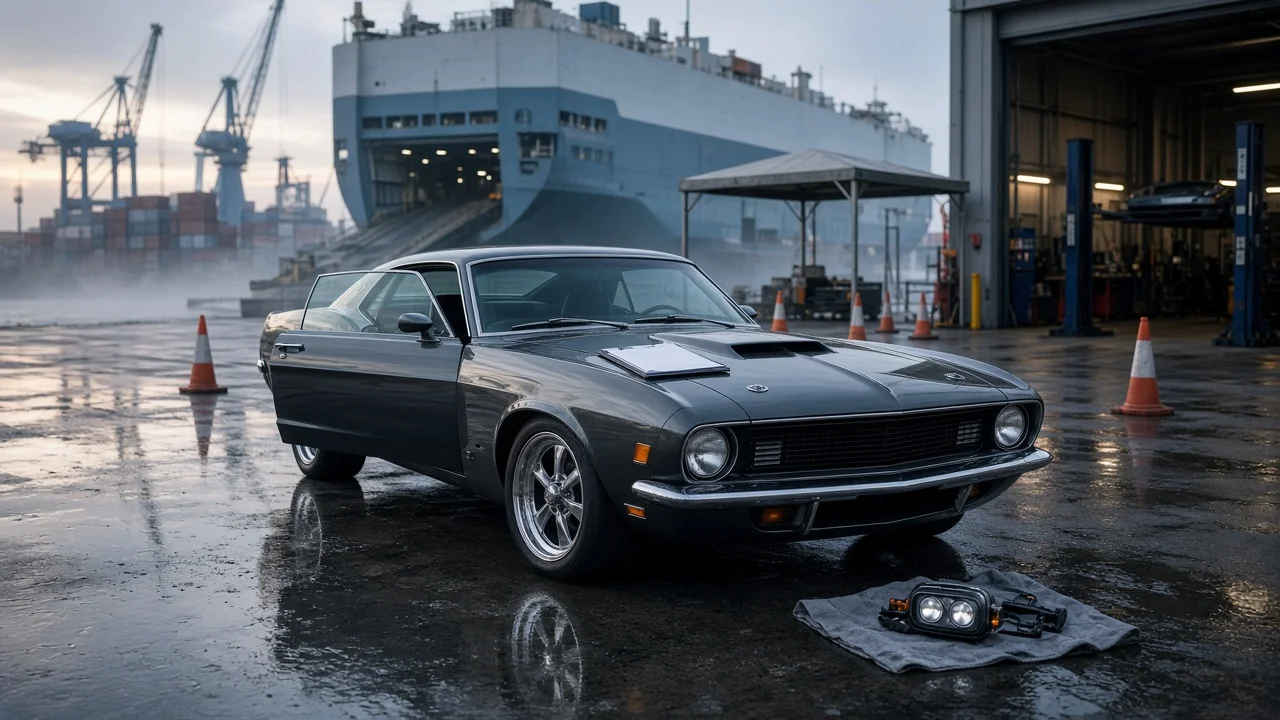
Headlights, which are aimed for right-hand traffic and may need adjusting or replacing so they don't dazzle oncoming drivers in the UK. Rear indicators, since many US cars use red rear turn signals, while UK rules generally expect amber. A rear fog lamp, which UK rules require but many US cars lack. The speedometer, which must be readable in miles per hour; US cars usually already meet this. Number plate mountings sized for UK plates.
Whether a particular car needs any of these, and what the work costs, can only be confirmed for that specific vehicle. No model-specific requirements or costs were part of the information behind this guide.
Questions to answer before committing
Is the car old enough to be exempt from approval, or will it need Individual Vehicle Approval? Do you qualify for transfer of residence relief or a historic-vehicle rate, or will full duty and VAT apply? What lighting or other changes will this specific car need, and can parts be sourced in the UK? Will UK insurers cover the car, and what will servicing and parts cost? Is the car's history, title and ownership paperwork complete enough for HMRC and the DVLA?
What this guide does not cover
This is a general overview of the process, not a costed plan. No confirmed figures were available for shipping costs, current duty or VAT rates, approval fees, timescales or modification prices, and none are given here. Rules and rates can change, so confirm the details for your situation with HMRC and the DVLA, or with an experienced import agent, before you buy a car or arrange shipping.