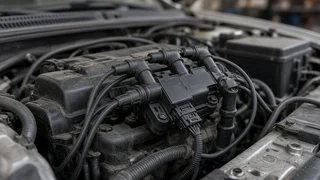
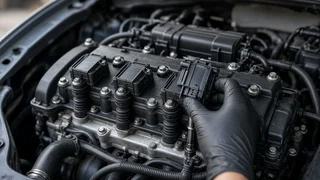
Ignition coil booster: what it is and whether it works

An ignition coil booster for a car is often marketed as a simple way to strengthen spark energy, but its value depends heavily on what the device actually is and why the ignition system is being modified. Some products alter primary voltage or dwell time, while others are little more than wiring or capacitor accessories. Understanding how the coil, driver, and spark plug interact helps separate a genuine improvement from a product that adds risk without a measurable benefit.
Essential answer
In broad terms, an ignition coil booster is any add-on component intended to increase the electrical energy delivered to the spark plug. The practical answer to whether it works is qualified: on a healthy modern ignition system, a booster rarely unlocks power the factory hardware could not already provide. Where it may help is with poor voltage supply, added cylinder pressure, or aftermarket coils that need a stronger driver signal.
The booster does not change the fundamental job of the coil, which is to transform low primary voltage into the high secondary voltage that jumps the plug gap. If the existing coil is near its limit, a booster may shorten charge time or stabilize ionization. On a stock vehicle used for ordinary driving, the ignition coil booster for car applications often serves as a diagnostic aid or supporting upgrade rather than a standalone power gain.
How it works
An ignition coil stores energy in a magnetic field during the dwell period and then collapses that field to induce a high-voltage pulse. A booster typically affects the primary side by raising supply voltage, adjusting current, or changing how quickly the driver switches. More primary current, within safe limits, can mean more stored energy and a hotter spark at the plug.
Some systems described as boosters are really capacitive discharge modules that release a short, intense spark. Others are voltage amplifiers that compensate for a weak harness or an aging alternator output. In every case, the coil still must cool properly and the driver must withstand the higher load. Without those limits respected, the perceived improvement can come from stressing parts rather than making combustion more efficient.
Strengths, limitations and suitability
The main strength of a correctly matched booster appears under conditions that make ignition harder: forced induction, leaner mixtures, wider plug gaps, or cold starts. A stronger spark can reduce misfire and improve throttle response when the stock system is marginal. It can also support older distributor ignitions that suffer from voltage loss across worn contacts and long plug wires.
The limitation is that modern coil-on-plug systems are usually designed with substantial reserve. Adding energy beyond what the mixture needs does not automatically create more torque or better fuel economy. Suitability is therefore narrow: the component makes the most sense for modified engines, high-mileage electrical systems, or a specific fault where a known weak spark has been confirmed rather than assumed from marketing claims.
Procedure
Any installation begins with confirming the booster is compatible with the coil type, ignition driver, and vehicle wiring. Because configurations vary widely, the manufacturer instructions for the specific product and vehicle are the controlling reference. The general process involves locating the coil primary feed or control circuit, making secure weather-resistant connections, and mounting the module away from concentrated heat and moving parts.
After installation, the completion check should include a stable idle, clean throttle response, and no new warning indicators or heat damage at the connectors. A vehicle with an original ignition in good condition may show no obvious change, and that is not a defect by itself. The booster should never be used to mask a failing coil, bad plug, or damaged harness; those parts still need proper replacement.
Diagnosing a problem
If a misfire, hard start, or rough idle appears after adding a booster, the first check is the power and ground path. A shared fuse, a marginal relay, or a corroded connector can cause the module to pulse inconsistently. Swapping back to the stock configuration for a controlled test is one practical way to see whether the new device is contributing to the symptom or simply exposing an existing weakness.
When a fault code points to an ignition circuit, it is evidence of an electrical condition to investigate, not proof that the booster or coil has failed. A technician may need to confirm the specific diagnostic definition for that vehicle. Because some modules alter coil control signals, stopped use is appropriate if the engine stalls, the module becomes hot in normal use, or repeated misfires continue while the booster is connected.