Hyundai self-driving car commercial
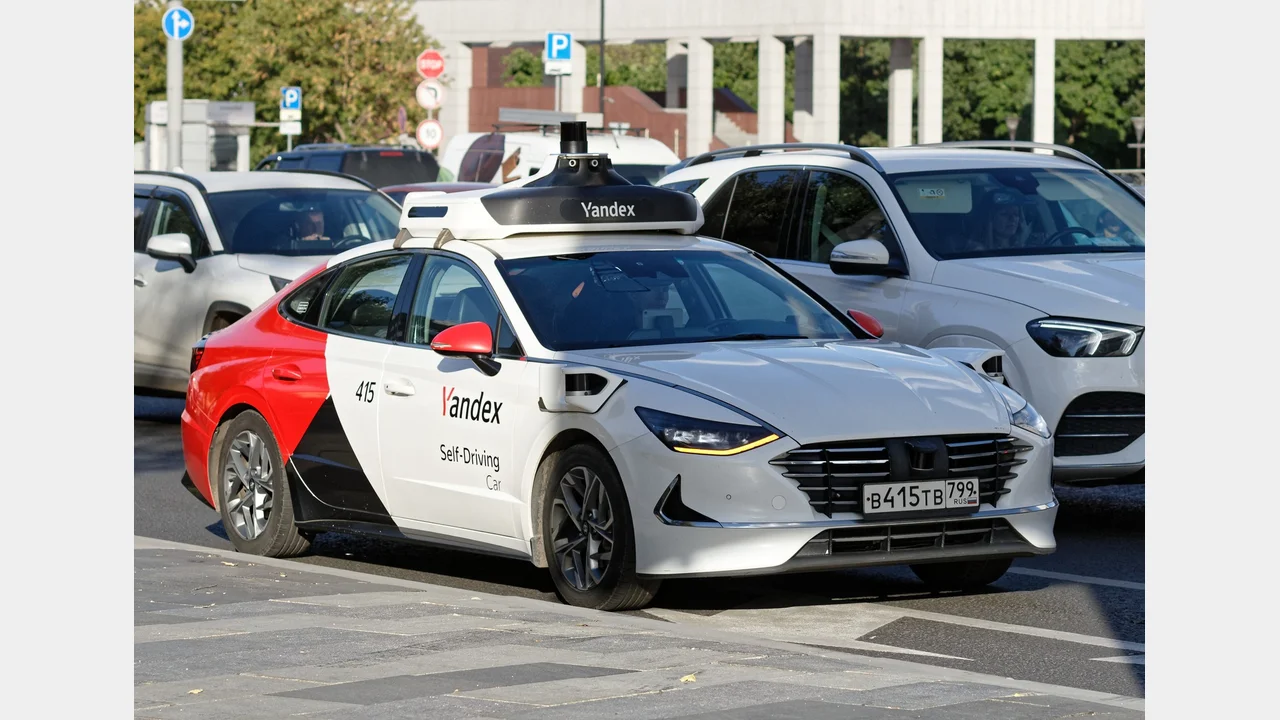
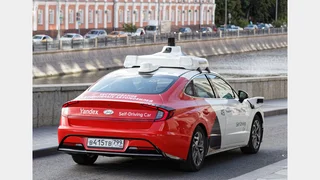
A Hyundai self-driving car commercial is best understood as promotional material showing advanced driver assistance or automated driving concepts rather than a single fixed spot. The exact creative treatment can change by model year, model generation, trim level, body style, powertrain configuration, and US market specification. Because these ads blend demonstration footage, digital effects, and marketing language, viewers should separate a concrete feature such as lane following or adaptive cruise from a dramatized hands-free scenario. This distinction matters when the same footage is used for different vehicles or regional campaigns.
Essential answer
At its core, the phrase usually refers to a commercial that dramatizes a Hyundai vehicle operating with reduced driver input, often on a highway. The scene may show the vehicle maintaining its lane, adjusting speed to traffic, or parking without visible steering, but it does not by itself prove which production model or package is depicted. The vehicle could be a concept, an overseas market specification, or a US trim with a specific assistance suite, so the commercial should be treated as a controlled presentation rather than an independent demonstration of a particular car's capabilities.
A useful next step is to compare the ad's visual cues with the vehicle's body style and model generation. The shape of the grille, lighting, greenhouse, and wheels can help identify whether the spot highlights a sedan, crossover, or a preview model. Because commercial editing often compresses time and changes camera angles, the same maneuver can appear more autonomous than it is in real traffic. The commercial's purpose is to communicate a product idea, while owner materials and window stickers describe the features available on a specific US model.