Hyundai self-driving car
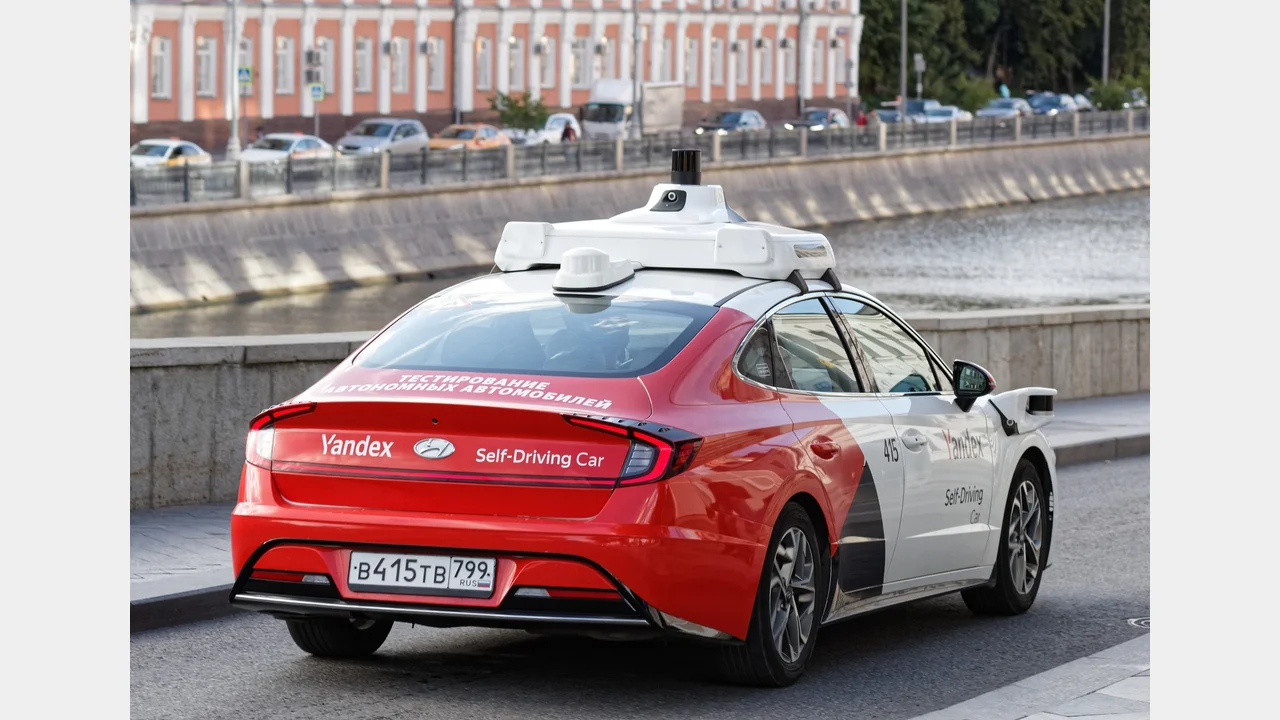
A Hyundai self-driving car represents the brand's move toward reducing the driver's workload through advanced driver assistance. Rather than describing a single magic vehicle, the term covers technologies spread across different model generations, body styles, trim levels, and market specifications. Understanding this subject means distinguishing genuine automated driving capabilities from features that still require an attentive human behind the wheel. The powertrain configuration can influence how smoothly these systems interact with acceleration and braking. For readers researching this area, the essential answer is that Hyundai offers progressively capable assistance, not a fully autonomous vehicle for public sale.
Essential answer
The essential answer is that a Hyundai self-driving car is a vehicle equipped with high-level driver assistance, not a car that can operate without a human ready to take over. Hyundai has developed systems that combine adaptive cruise control, lane keeping, and automated lane changes on approved roads. These features aim to reduce fatigue on long highway drives, but the driver remains responsible for monitoring the road. Different trim levels and market specifications determine which sensors and software functions are actually installed. A higher-end model generation may offer more seamless operation, while a base version may only include simpler warnings and braking support.
Interpreting this technology requires examining the exact body style and model year because capability varies widely within the lineup. Some systems use a forward camera and radar to maintain a set distance from traffic, while more advanced versions add lidar or additional side sensors for broader awareness. The powertrain configuration also matters; an electric or hybrid model can manage speed changes with different smoothness than a traditional gasoline engine. Ultimately, the direct answer is that Hyundai's self-driving features are convenience tools with real limitations. They work best on clearly marked highways and demand that the driver keeps hands available and eyes forward.