Hydrogen Fueling Station Locations: Where You Can Refuel in the US
The Short Answer
In the United States, public hydrogen stations for passenger cars are concentrated in California. Most are clustered around the Los Angeles area and the San Francisco Bay Area, with a smaller number in other parts of the state. Outside California, retail hydrogen refueling for light-duty fuel cell vehicles is very limited, and in most states it is effectively unavailable.
A second point matters as much as location: a station that appears on a map is not necessarily open or dispensing fuel. Hydrogen stations can go offline for maintenance, equipment faults or supply interruptions, and some have closed permanently. Before a trip, check a station's real-time status, not just its listing.
What Counts as a Hydrogen Fueling Station
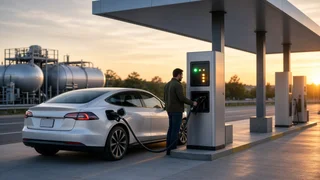
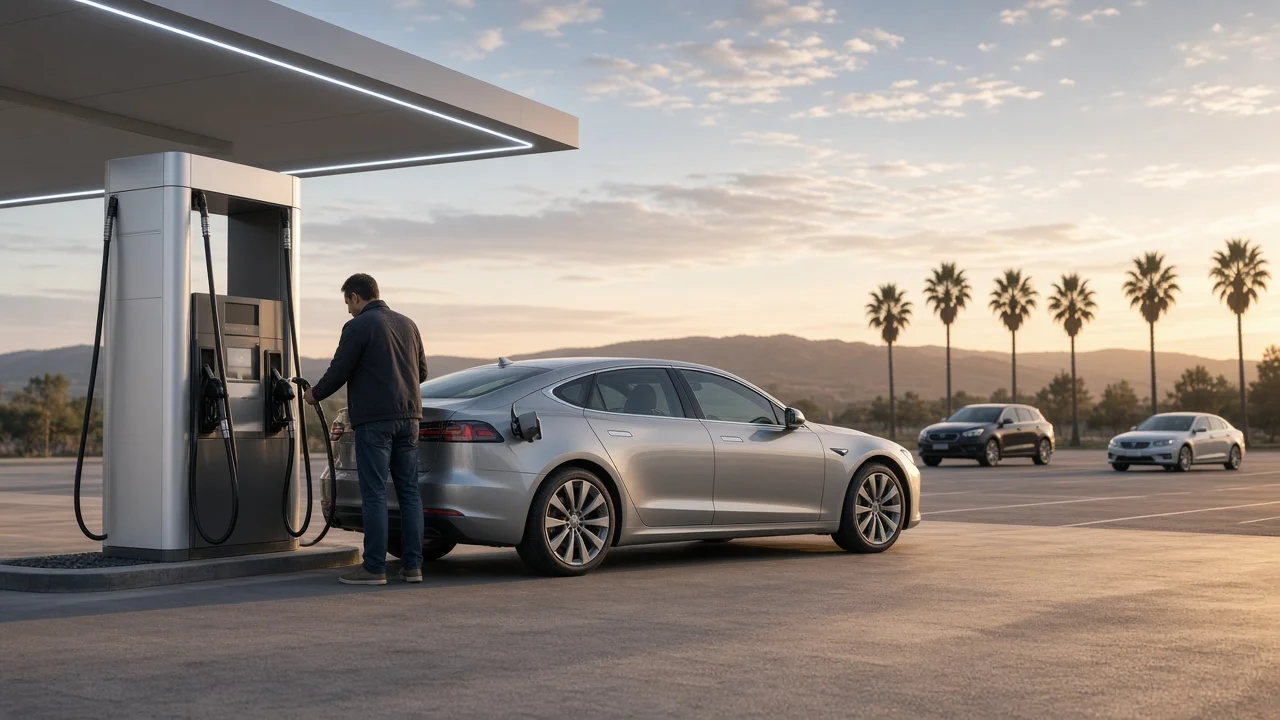
Hydrogen stations serve fuel cell electric vehicles (FCEVs). These cars store compressed hydrogen gas in onboard tanks, and a fuel cell converts it into electricity to drive an electric motor. Refueling resembles a gasoline fill-up more than EV charging. A nozzle locks onto the vehicle's receptacle, and the station dispenses pressurized hydrogen.
Not every hydrogen site serves the same vehicles. Retail stations for passenger cars typically dispense at a higher pressure, commonly labeled H70 (700 bar). Some sites also offer, or offer only, a lower-pressure grade labeled H35 (350 bar), which is associated with buses, trucks and some older or specialized vehicles. Some hydrogen facilities are private or fleet-only and do not serve the public. When you search for a station, confirm that it is open to the public and offers the pressure grade your vehicle uses.
How to Find Hydrogen Stations Near You
US Department of Energy Alternative Fuels Data Center station locator: a public, searchable map of alternative fuel stations, including hydrogen, filterable by fuel type and access. Hydrogen Fuel Cell Partnership station status tools: focused on California and aimed at showing whether individual stations are currently available. Vehicle and manufacturer apps: fuel cell vehicle makers often provide station maps or status information through in-car navigation or companion apps. Station operator apps or notices: individual operators may post outages, supply problems and closures.
Cross-check more than one source when possible. Listings can lag behind real conditions, and a station's daily availability matters more than its existence on a map.
Why Location Shapes the Ownership Decision
Because public refueling is so concentrated, manufacturers have generally marketed fuel cell cars in California rather than nationwide. Examples include the Toyota Mirai, Hyundai Nexo and Honda's fuel cell CR-V variant. Availability differs by model, model year and market, so confirm current sales or lease regions with the manufacturer or a dealer.
For anyone considering a fuel cell vehicle, the practical question is whether reliable stations are close to where you live, work and regularly drive. Having a backup station within your normal range matters too, since a single station being offline can otherwise leave you without fuel. Drivers outside the served areas, or those who take frequent long trips beyond them, will find hydrogen refueling impractical with the current network.
Information Gaps to Keep in Mind
This guide does not state a current station count, specific station locations, hydrogen prices or opening and closure dates. No verified figures were available for those details, and they change often. Use the locator and status tools above for up-to-date numbers and addresses. Expansion plans and announced stations outside California may or may not open on schedule, so treat them as tentative until a station is listed as operational.