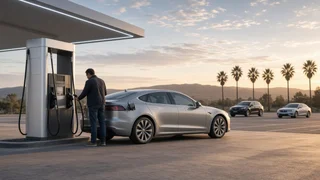
Where to Find Hydrogen Refueling Stations for Cars

The Short Answer
In the United States, public hydrogen stations for passenger cars are found mostly in California, with very limited availability elsewhere. Most of these stations are clustered around major metropolitan areas rather than spread along highways. The most reliable way to find one is a live station-status map or locator, not a static list, because individual stations can be offline, low on fuel or closed without much notice.
This guide covers retail stations for fuel cell electric vehicles (FCEVs), which are cars that turn hydrogen into electricity on board. It does not cover depot or fleet stations that serve buses and heavy trucks, which are usually not open to private drivers.
Evidence gap: no confirmed figures on current station counts, locations, prices or opening hours were supplied for this article. Those details change often, so check a current source before relying on any particular station.
Tools for Locating a Station
U.S. Department of Energy Alternative Fuels Data Center station locator: a national search tool you can filter by fuel type, including hydrogen. Hydrogen Fuel Cell Partnership station map: covers California and reports station status, so you can check whether a station is open and has fuel. Your vehicle's built-in navigation or the manufacturer's companion app: fuel cell models generally include hydrogen station search, and some apps show station status. Features vary by model, model year and market, so check your owner documentation. Station operator apps: some operators publish availability and payment details in their own apps.
Status information is the key detail. A station listed on a map may still be unable to dispense hydrogen because of maintenance, supply interruptions or equipment faults. Before a trip, confirm that your planned station and at least one backup are showing as available.
How to Recognize a Hydrogen Dispenser
Hydrogen dispensers are often installed at existing gasoline stations, so the forecourt can look ordinary from the road. The hydrogen dispenser is usually a separate unit set apart from the gasoline pumps and is labeled for hydrogen.
Pressure markings: dispensers are labeled by fill pressure. H70 (700 bar) is the standard for passenger fuel cell cars; H35 (350 bar) is typically used for buses and some commercial vehicles. Nozzle design: the hydrogen nozzle locks onto a matching receptacle on the vehicle to form a sealed connection, which is different from a liquid-fuel nozzle. On-screen prompts: dispensers usually guide you through connecting, starting the fill and payment on a display.
Do not confuse hydrogen dispensers with compressed natural gas (CNG) dispensers, which can also be high-pressure units with locking nozzles. They dispense a different fuel and must not be used with a fuel cell car.
Checks to Make on Your Own Vehicle
The fuel door and the label near the receptacle indicate the correct fuel type and pressure for your car. Confirm these details in the owner's manual for your specific model, model year and market, since refueling procedures and receptacle labeling can differ between vehicles.
Payment also varies. Some stations take standard payment cards, while others may require a station-network account or a fuel card that some automakers have supplied to buyers or lessees. Check what your vehicle agreement includes and what the station accepts before you arrive.
Practical Planning Tips
Check live status shortly before leaving, not just when planning the route. Identify a backup station within your remaining range. Allow extra margin on longer trips, because stations are sparse outside core metro areas. If a station shows reduced pressure or partial availability, expect a smaller fill than usual. If you live outside an area with stations, a fuel cell car may not be practical for daily use; verify local access before buying or leasing.