How to Use One-Pedal Driving on the Chevrolet Equinox EV
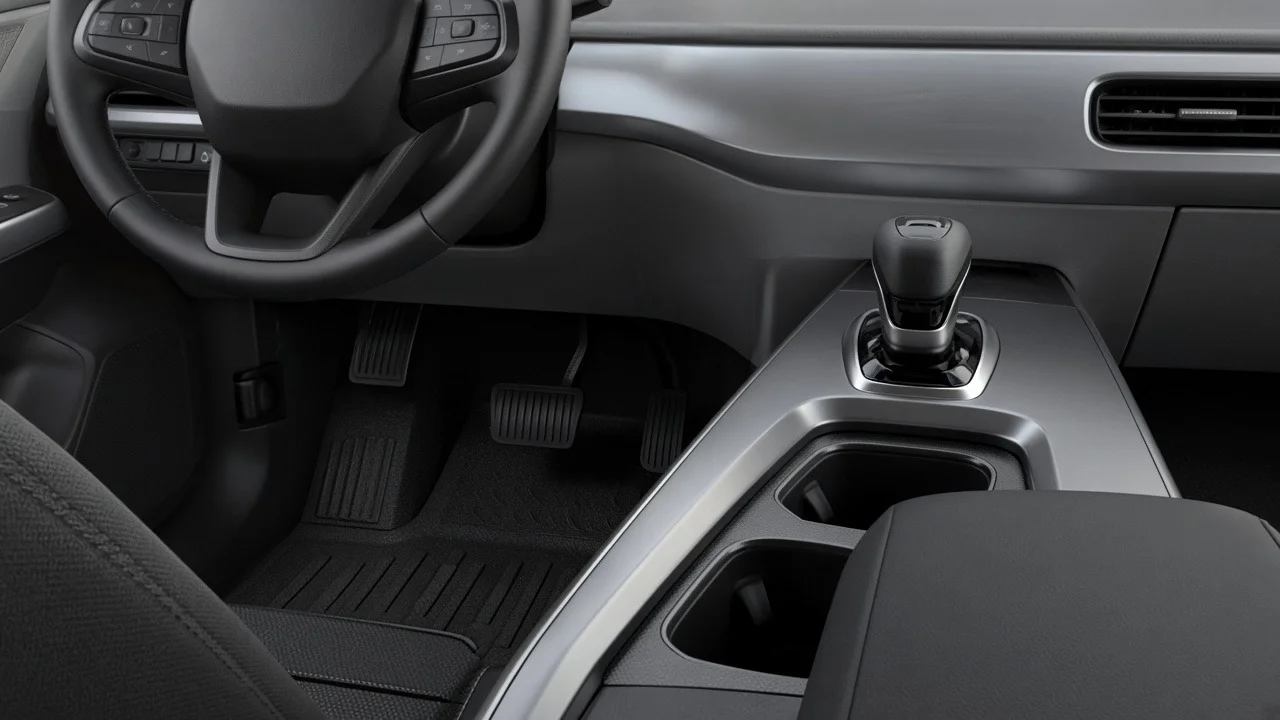
One-pedal driving on the Chevrolet Equinox EV changes how you manage speed in stop-and-go traffic and on descents. Instead of moving between the accelerator and brake for every slowdown, you can often control deceleration by easing off the accelerator. The vehicle uses regenerative braking through the high-voltage system to capture energy while slowing, which also supports battery management and overall efficiency. Understanding the available settings, how strongly the system slows the vehicle, and when to use the friction brakes helps you drive smoothly and confidently without inventing capabilities beyond the design.
Direct answer
To use one-pedal driving on the Chevrolet Equinox EV, activate the feature through the available drive-mode or vehicle-control screen and then modulate the accelerator to accelerate, maintain, or reduce speed. In normal operation, lifting your foot partially or fully off the accelerator commands regenerative braking that can slow the vehicle noticeably, sometimes to a full stop depending on the selected mode and conditions. The vehicle determination of whether it holds at a stop or creeps can vary, so you should verify behavior in a safe, open area before relying on it in traffic.
The feature is not a replacement for understanding the brake pedal. One-pedal operation depends on regenerative braking and the drivetrain‘s ability to decelerate, which can change with battery state and temperature. On a cold battery or at a high state of charge, energy capture may be temporarily limited, reducing the deceleration you expect. This does not indicate a fault; it is a normal battery-management protection. The friction brake remains available at all times and must be used for harder or emergency stops and when you need predictable stopping power beyond what the regen system is currently commanding.
How to proceed
Begin by starting the vehicle and confirming the shifter position and parking brake status. Locate the one-pedal setting in the center display if the vehicle offers it as an independent toggle, or within a drive-mode menu. Select the strongest regen or one-pedal mode if named. On a clear stretch with no traffic behind you, accelerate gently to a low speed, then ease off the accelerator in stages. Notice how the tempo of lifting the pedal changes the rate of deceleration, and whether the badge or power meter shows regen activity.
After the first gentle test, approach an empty intersection and lift off earlier than you normally would. Keep your foot ready over the brake pedal and apply it only if the regen does not slow the vehicle enough for the stop line. Check the vehicle’s final behavior: it may hold after stopping or begin to creep when the pedal is fully released. Use the friction brake to hold position if necessary. Avoid testing at higher speeds until you are confident that reduced regen on a cold or nearly full battery will not create an unsafe following distance.