How to Flip a Trailer Hitch Ball Mount
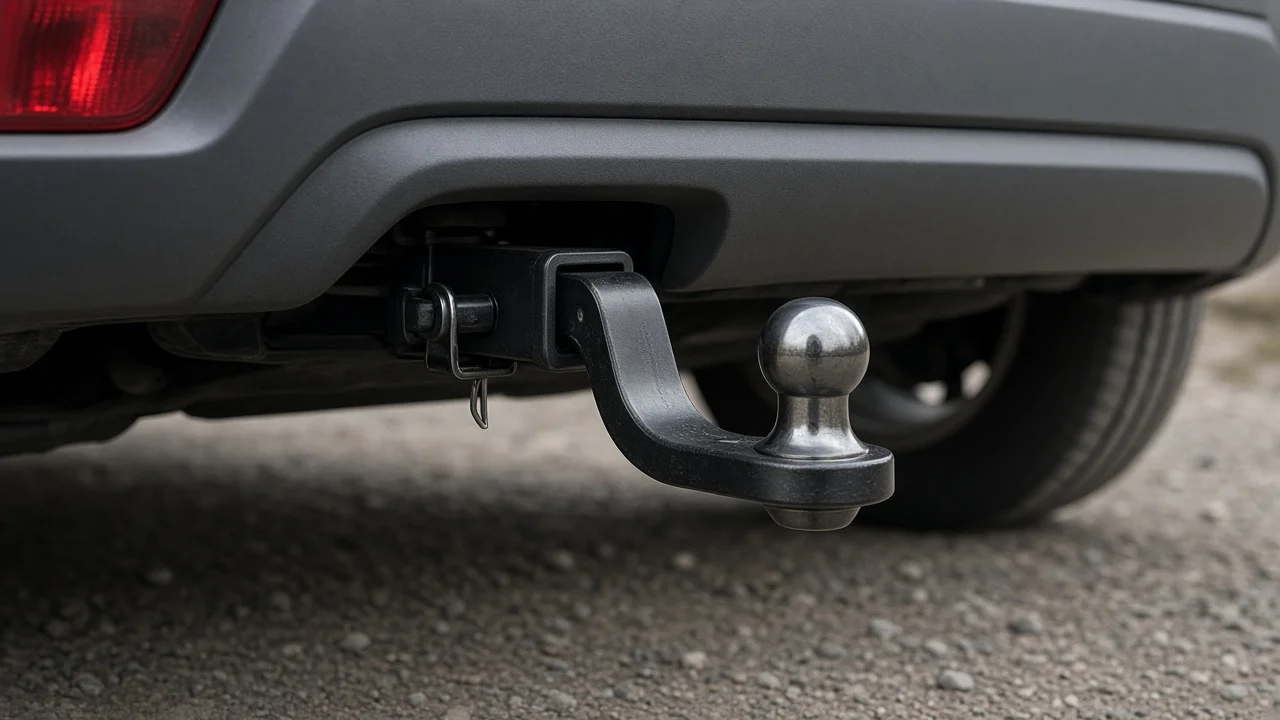
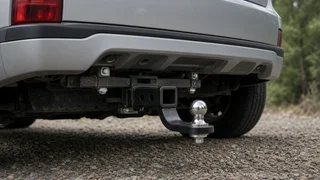
A trailer hitch ball mount usually includes a square shank and a stepped platform for the hitch ball. Flipping the mount changes the ball height so the trailer can ride closer to level, which helps distribute payload more evenly across the axle rating rather than concentrating force on one end. The desired configuration depends on the receiver height, trailer tongue weight, and coupler height. When the ball is repositioned upward or downward, the effective tongue weight and gross vehicle weight rating remain unchanged, but the angle of the trailer frame and the load shifted fore or aft can affect how the combination handles. A simple orientation change can correct many towing geometry problems without replacing the entire mount.
Direct answer
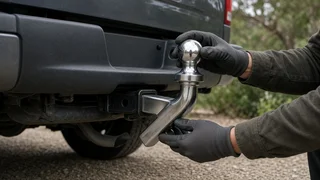
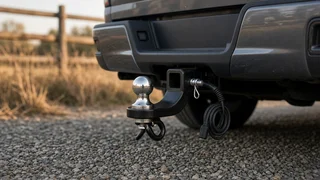
Flipping a trailer hitch ball mount means removing the ball platform from the receiver, rotating the mount 180 degrees, and reinstalling it so the hitch ball sits on the opposite side. A mount that originally places the ball below the receiver can often be inverted to raise the coupler, while a rise configuration can be inverted to lower it. This is useful when the tow vehicle has been changed, the trailer has a different tongue design, or a load shift causes the trailer to ride nose-high or nose-low.
The correct orientation is the one that brings the trailer frame near level with the load secured. Even a small difference in ball height changes how weight presses through the tongue and how the axles share the burden. The combined weight rating of the tow vehicle and trailer does not tell you which direction is right. Instead, measure the coupler height on level ground, compare it with the receiver opening height, and choose the flipped orientation that reduces the mismatch while keeping adequate clearance between the trailer tongue, bumper, and ground.
How to proceed
Park the tow vehicle and trailer on level pavement and chock the trailer wheels. Remove any load shift risk by securing cargo before disturbing the hitch. Pull the pin or lock from the receiver, slide the ball mount out, and inspect the shank for rust, cracks, or excessive wear. Rotate the mount 180 degrees so the ball platform moves to the opposite side, then slide it back until the pin holes align. Insert the pin and clip, or reinstall the locking device, and confirm the mount cannot slide or rotate.
After reinstalling, lower the trailer coupler onto the ball and latch it completely. Step back and sight along the trailer frame; a slight nose-down attitude is often more stable than a nose-up attitude, but the goal is near level. Check that the safety chains, wiring, and breakaway cable still reach without dragging or binding. With the trailer loaded as it will be towed, recheck the tongue weight and ride height. If the flip creates contact with the bumper, spare tire, or jack, return to the previous configuration and consider a mount with a different rise or drop.