Can You Flip a Trailer Hitch Ball Mount?
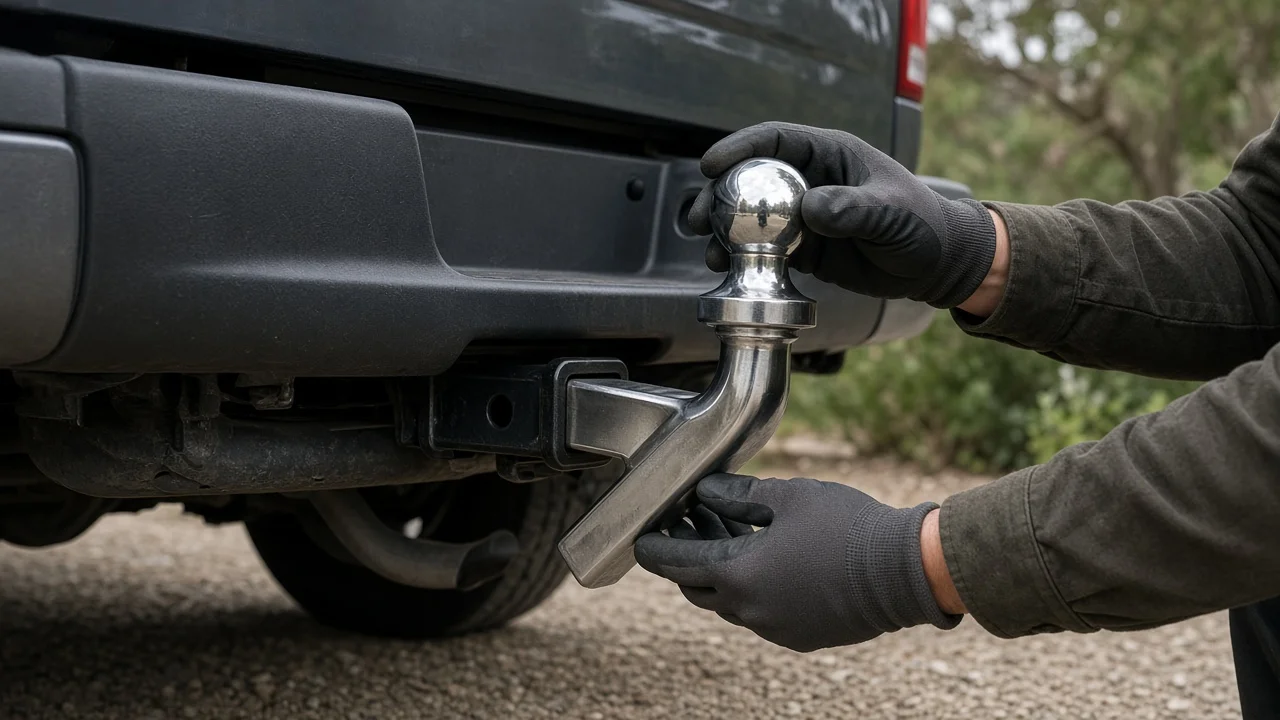
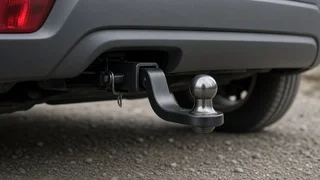
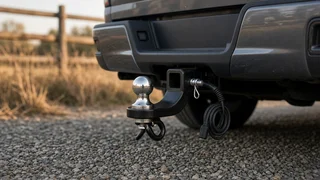
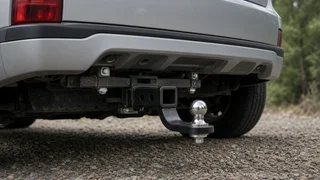
Flipping a trailer hitch ball mount is a common question when a tow vehicle rides higher or lower than expected, or when a trailer sits nose-down or nose-up behind the truck. The ball mount is the steel drawbar that slides into the receiver and positions the hitch ball at a specific rise or drop. Reversing that drawbar changes the ball height and can improve level towing, but only when the mount is built for the flipped configuration. The decision affects tongue weight, ground clearance, and how the coupler transfers load through the hitch.
Essential answer
You can flip many trailer hitch ball mounts, because most drawbars are designed with a rise on one side and a drop on the other. Rotating the mount 180 degrees before inserting it into the receiver moves the ball platform from below the main bar to above it, or vice versa. The change is roughly equal to the difference between the two mounting positions, typically a few inches, but the exact amount depends on the drawbar’s construction. The mount must fit the receiver opening without the ball or platform striking the bumper, spare tire, or rear bodywork.
A flipped ball mount still carries the same payload and tongue weight capacity if the manufacturer rates it for either orientation. Some solid or cast designs may have a directional rating, labeling, or shape that makes one position the intended towing configuration. Before reversing the mount, check that the pin hole aligns correctly, the shank has enough engagement in the receiver tube, and the coupler can latch without binding. A level trailer frame is the goal; changing ball height also shifts slightly how the trailer’s weight is distributed across the rear axle and trailer axle.