How to Cut Off a Tire Valve Stem
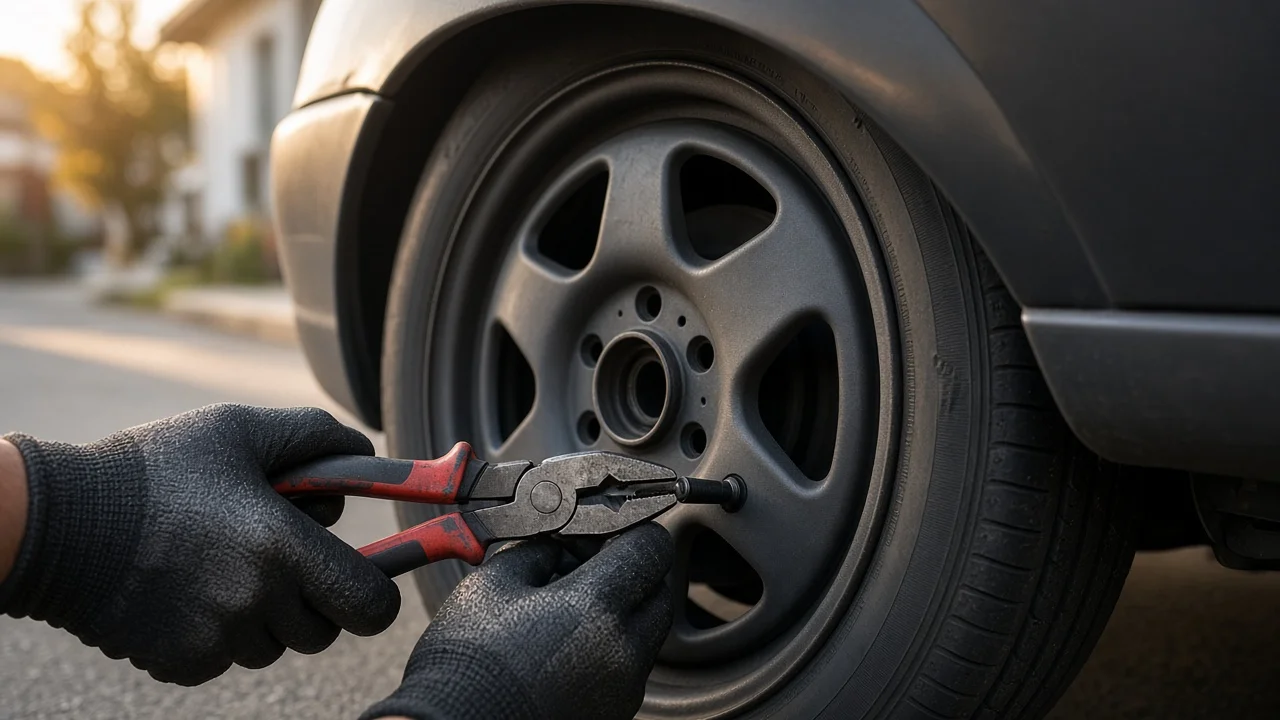
A tire valve stem can sometimes become so damaged, corroded, or seized that releasing the air requires cutting it off. This is not a typical repair step; it is a controlled removal when the wheel is already being dismounted or when a stuck valve core prevents normal deflation. The task affects how the tire seals at the wheel, so the rim and replacement valve must be inspected afterward. The goal is a clean cut that lets the remaining air escape without gouging the wheel surface.
Direct answer
The essential answer is that cutting off a tire valve stem is a destructive method used to remove a damaged or stuck valve before tire dismounting. You are not saving the stem; you are sacrificing it to safely release inflation pressure and clear the wheel opening. This makes sense when the rubber body is cracked, the metal base is corroded to the rim, or the core cannot be removed. The cut should be made at the outer rubber portion, never through the wheel itself.
The only condition that materially changes the answer is wheel access. On many passenger vehicles the wheel must be removed from the hub first. On a loose wheel with the tire still mounted, cutting the stem lets the air escape quickly before the tire is broken down. If the tire still holds pressure, confirm you are prepared to replace the valve and remount the tire before making the cut. A valve stem condition that requires cutting usually means the sealing area needs cleaning and a new snap-in or clamp-in valve.
How to proceed
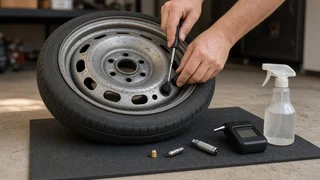
Before you cut off a tire valve stem, reduce the risk of a sudden release of stored air. Remove the valve core if it is accessible, or depress the center pin with a suitable tool and let the tire deflate until no pressure remains. If the stem is too damaged to depress the pin, place the wheel with the valve facing away from you and any bystanders. Wear eye protection and gloves. Having the replacement valve, a valve installation tool, and a rim-cleaning scraper ready prevents a half-finished job.
Use side-cutting pliers or a sharp utility knife to cut the rubber body of the valve cleanly near the wheel, avoiding contact with the rim edge. Pull the remaining base out of the valve hole once the stem is severed. Inspect the hole for corrosion, rubber residue, or nicks. Clean the seating area, lubricate the replacement valve, and pull or thread it in according to the valve type. Reinflate to the pressure shown on the vehicle placard and check for leaks with soapy water around the base and core.