How to Communicate an Intermittent Warning Light
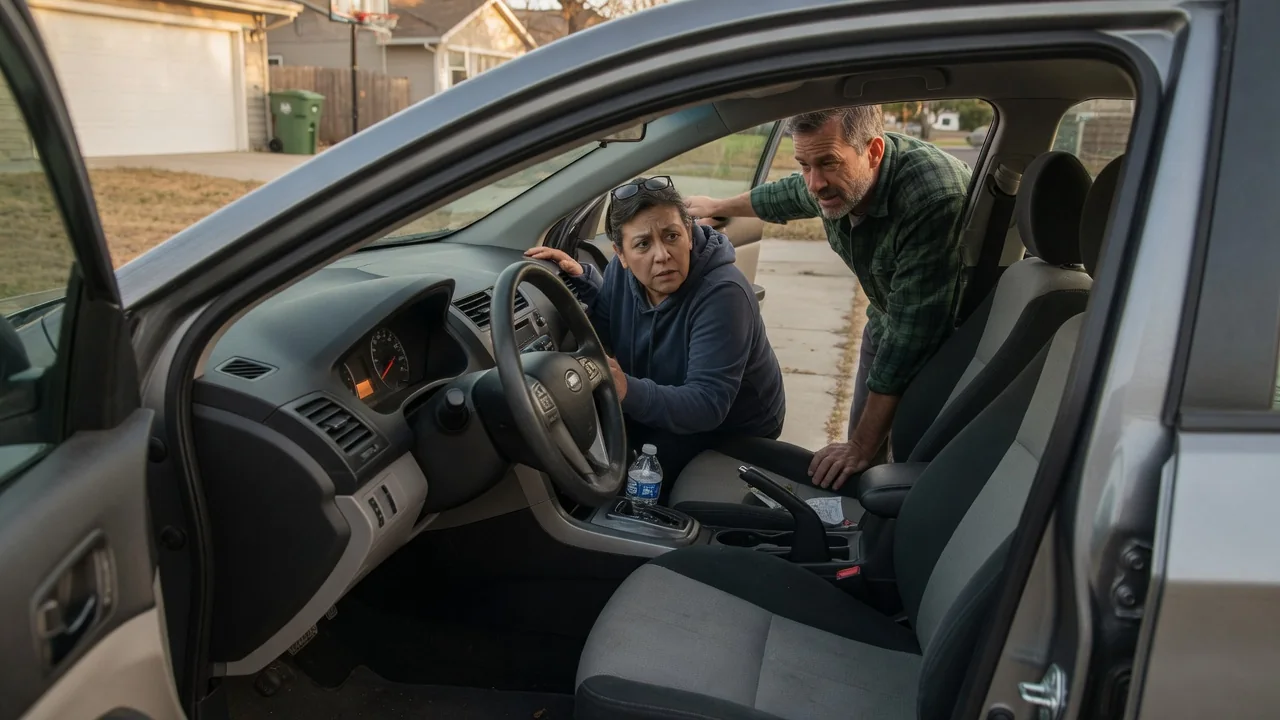
A warning light that comes and goes is one of the hardest problems to describe at a service counter, because the car often behaves perfectly once it arrives. Knowing how to communicate an intermittent warning light means recording what appeared, when it appeared, and what the vehicle was doing at the time, so a technician can recreate the conditions rather than guess.
Capture message
Start with exactly what the instrument cluster showed. A symbol's shape, color, and whether it was steady or flashing all carry meaning, and many vehicles pair the icon with a text message that disappears after a few seconds. A phone photo taken by a passenger, or by you once safely parked, preserves details memory tends to blur. Amber and red indicators usually signal different levels of urgency, yet the precise meaning of any symbol depends on the manufacturer, so the owner's manual remains the reference for your particular vehicle.
Write down the wording word for word rather than paraphrasing it. A message reading that a system is unavailable points a technician in a different direction than one asking for service soon, even when both arrive with the same icon. Some vehicles store recent alerts in a menu within the cluster or infotainment screen, while others show them once and leave no visible trace. If yours keeps a message history, photograph that screen too, along with the odometer reading and the time of day.
Note frequency
Frequency tells a technician whether a fault is random or tied to a pattern. Record each appearance with the date, how long the light stayed on, and whether it cleared by itself or only after the engine was restarted. A light that shows up once a month on a cold morning suggests a different line of investigation than one that flickers several times during a single drive. Even a rough tally kept in a notes app is more useful than saying it happens sometimes.
Pay attention to where each event falls within a trip. A light that appears in the first minutes after a cold start, one that arrives only after an hour of highway driving, and one that follows refueling each describe distinct conditions. Many control modules need to see a fault across more than one drive cycle before they latch a light on, and they may switch it off after several clean trips, though that logic varies by make and system. Noting the gaps between events helps explain that behavior.
Link to symptoms
A light means more when it is tied to something you felt, heard, or smelled. Mention whether the engine stumbled, the transmission shifted harshly, the steering felt heavier, or the brake pedal changed as the indicator appeared. Equally valuable is reporting that nothing felt different at all, because a light with no drivability change often points toward a sensor signal, wiring, or connector concern rather than a mechanical one. That remains an inference to be tested, not a conclusion to be assumed.
Surrounding conditions complete the picture. Describe the outside temperature, rain or a recent car wash, road surface, speed, engine load such as climbing a hill or towing, and whether accessories like air conditioning or heated seats were running. A charging system light that flickers at idle with every electrical load switched on tells a different story than one that appears over rough pavement, where a loose connection becomes plausible. Fuel level, a recent fill-up, and any recent repair or battery work are worth mentioning as well.
Everyday Use and Observations
Daily driving is where the useful evidence accumulates, so build the habit of observing without changing your routine. Keep the same commute, the same loads, and the same fuel habits while you log events, since altering several things at once makes a pattern harder to read. Notice what the cluster does at startup too. Most vehicles briefly illuminate their warning lamps as a bulb check when the ignition is switched on, and a lamp that fails to light during that check is itself worth reporting.
Other drivers of the same vehicle should contribute to the record, because a light that appears only for one person may relate to route, driving style, or how the car is loaded. Observations must never compete with driving, so glance, remember, and write the note after stopping. Vehicles differ in what they reveal: some display tire pressures, battery voltage, or coolant temperature that can be read alongside the alert, while others offer only a lamp. Record whatever your display provides at the moment the light appears.
Limits and Next Steps
Careful notes have limits. They narrow the search but cannot identify a failed part, and neither can a stored fault code read on its own. A code is evidence showing which circuit or system reported something outside its expected range; the cause may be a component, wiring, a connector, software, or a related system. Some codes are generic, while manufacturer-specific ones need vehicle-specific information to interpret correctly. Clearing codes or disconnecting the battery before a visit can erase stored data that would have helped, so leave it in place.
Hand your log to the service advisor in writing and ask that it be attached to the repair order so the technician sees your own words. Offer to ride along on a test drive if the conditions are hard to describe. If the fault cannot be reproduced, a reasonable outcome may be continued monitoring rather than a speculative part replacement. Do not wait on a pattern, however, when a red warning appears, a light flashes, or the car feels unsafe; follow the owner's manual guidance and have the vehicle inspected promptly.