How to Check Spare Tire Pressure on a Range Rover
A spare tire mounted under a Range Rover is easy to overlook until a roadside flat makes it essential. Because the wheel is stored out of sight, its inflation pressure can drop through normal air loss, temperature changes, or a slow leak at the valve. Checking the spare before you need it prevents the frustration of discovering a flat spare after removing a damaged road tire. For a Range Rover, the procedure is a practical extension of normal tire care: locate the spare, access its valve stem, measure the pressure with a reliable gauge, and adjust it to the value recommended for your vehicle configuration.
Direct answer
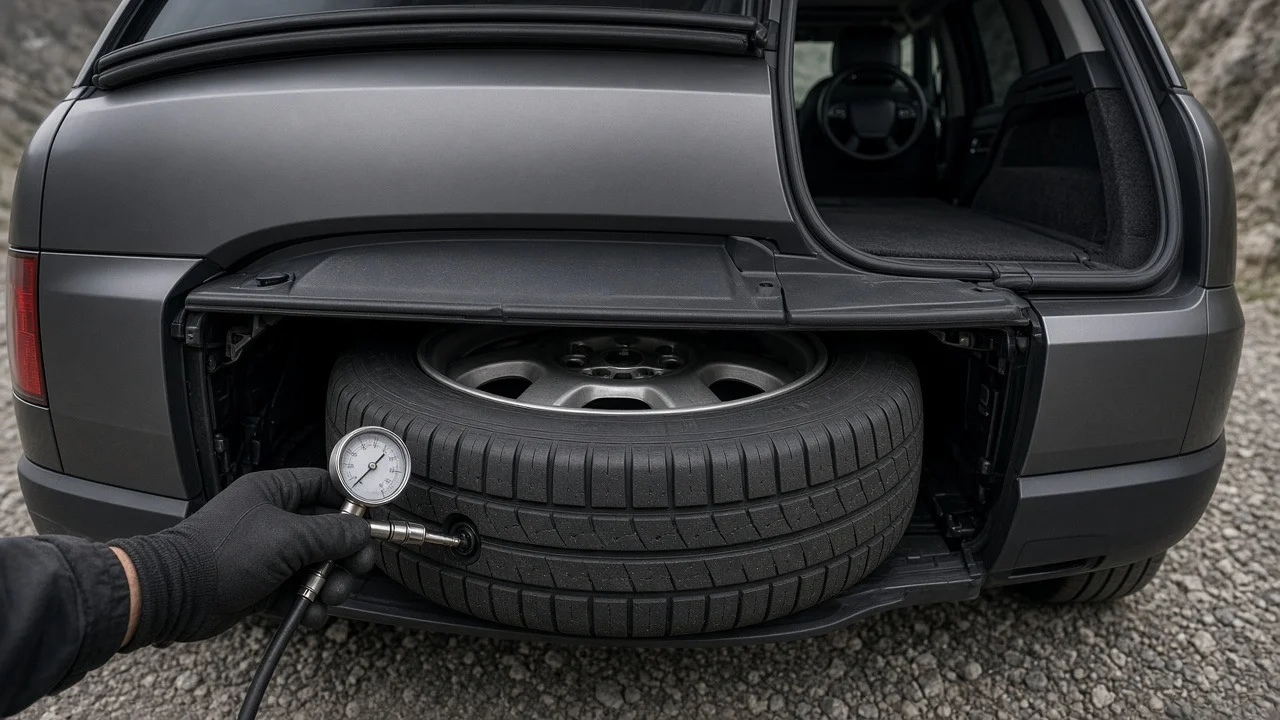
The essential answer is that checking the spare tire pressure on a Range Rover requires locating the spare under the rear of the vehicle, reaching its valve stem, and measuring the current inflation pressure with a tire gauge. The task is fundamentally the same as checking any tire pressure, but the mounting position introduces practical access challenges. You are not confirming that the spare is merely present; you are verifying that it carries enough air to support the vehicle if installed. A spare that looks seated and secure can still be critically underinflated, so a visual glance is not a substitute for a gauge reading.
The target pressure for a Range Rover spare should be confirmed on the vehicle placard or in the owner’s information for that model, since inflation pressure varies by tire size, load index, and usage conditions. Full-size spares generally follow the same cold inflation recommendation as the road tires, while temporary or space-saver spares may require a higher specified pressure. Drivetrain compatibility does not change the air pressure needed, but it does affect how long a mismatched spare should be used. Treat the placard value as the reference point and always measure the spare when the tire is cold for the most consistent result.
How to proceed
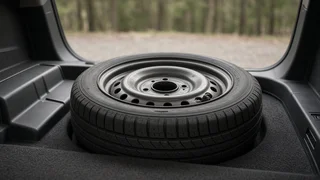
Begin by parking on a level surface and setting the parking brake so you can work safely beneath the rear of the SUV. Gather a dependable tire pressure gauge and an air source, such as a portable compressor or shop air line. Locate the spare tire under the cargo area; on many Range Rover models it is secured beneath the rear floor and requires lowering the carrier mechanism. Before getting underneath, check that the vehicle is stable and that the lowering tool, if needed for your configuration, is present. Reaching the valve stem may require working around the wheel face while the tire is still mounted in the carrier.
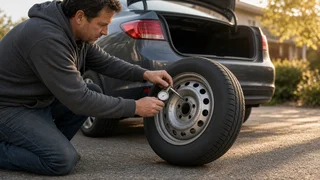
Remove the valve cap and press the gauge squarely onto the valve stem until the hissing stops, then read the displayed pressure. Compare that number with the tire pressure specified for your Range Rover’s spare on the placard or owner’s manual. If the pressure is low, add air in short bursts and recheck with the gauge until the reading matches the target. Reinstall the valve cap tightly to keep dirt and moisture out of the valve core. Before finishing, make sure the spare carrier is secure so the wheel does not shift or rattle during normal driving and remains ready for use.