How to Build a Simple Car Maintenance Calendar
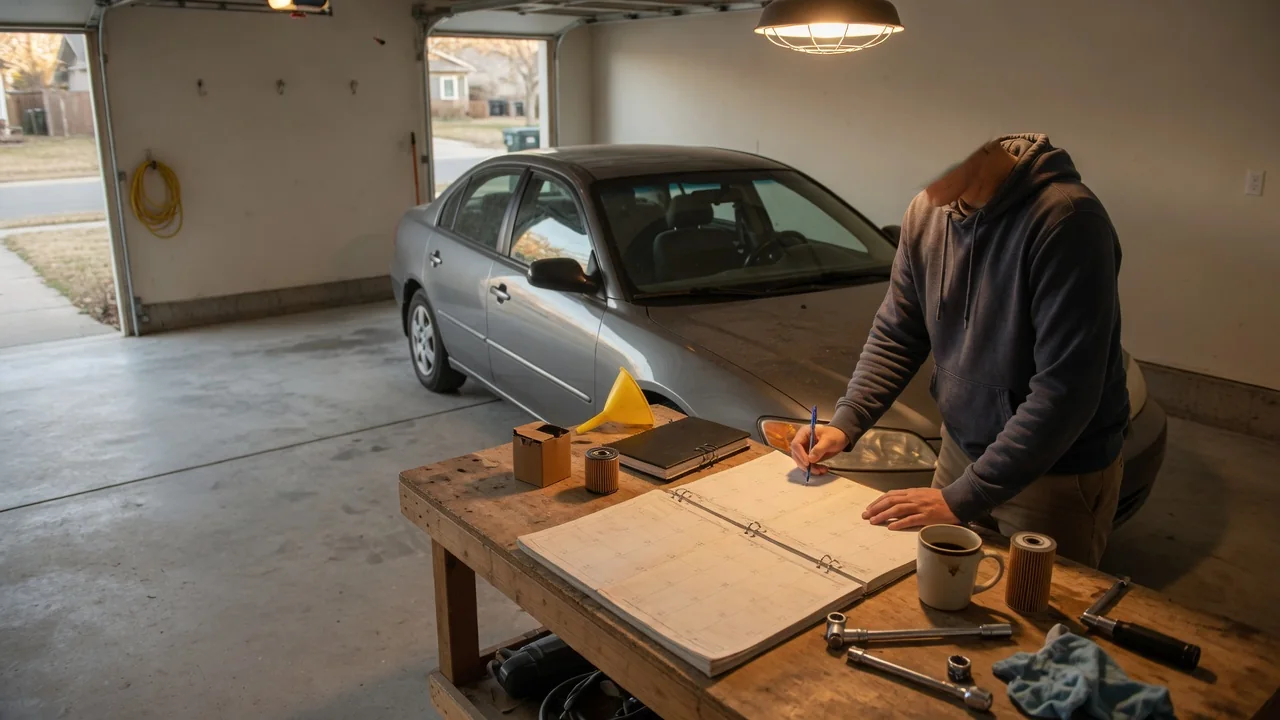
Learning how to build a simple car maintenance calendar starts with a plain idea: write down what your vehicle needs, when it last received it, and when to look again. A calendar built this way does not rely on generic intervals. It combines the manufacturer's schedule, your own records, and what you notice while driving.
Read vehicle schedule
The maintenance schedule in the owner's manual is the foundation of any calendar, because it lists the services the manufacturer expects and the conditions that trigger them. Most schedules express each task in two ways, by distance driven and by elapsed time, with the instruction to act on whichever arrives first. Engine oil, filters, brake fluid, coolant, spark plugs, and drive belts usually appear there, along with inspections of brakes, steering, suspension, and tires. Copy each line into your own list using the wording and figures printed for your exact vehicle.
Details differ more than many owners expect. The same model can carry different requirements depending on engine, transmission, drivetrain, and model year, so confirm that the page you are reading matches your configuration. Many manuals also include a separate severe-use schedule for short trips, towing, dusty roads, extreme temperatures, or heavy stop-and-go traffic. Some vehicles replace fixed figures with an onboard oil life monitor or service indicator that calculates the timing from driving conditions. If your vehicle uses one, note that in the calendar instead of inventing a number.
Record dates and mileage
A schedule only tells you how often something is due; your records tell you where you currently stand. For every item on the list, write down the date and odometer reading of the last time it was done. Service invoices, a stamped maintenance booklet, windshield reminder stickers, and the vehicle's own service history screen are all useful sources. Where no evidence exists, such as on a recently purchased used car, mark the item as unknown rather than guessing, and plan an inspection to establish a reliable starting point.
Recording both figures matters because cars age in two ways. A vehicle that covers long highway distances will reach its mileage limits first, while one that sits most of the week will reach the time limits first, since fluids and rubber parts deteriorate even when parked. A notebook in the glovebox, a spreadsheet, or a notes app all work, provided each entry shows the task, the date, the odometer reading, and who performed it. Adding the product used, such as the oil specification or tire brand, makes future decisions easier.
Set reminders
With the schedule and the last-done records side by side, each task gets a next-due date and a next-due odometer reading. Enter the date-based ones in a phone or paper calendar as recurring events, and set the alert early enough to book an appointment or buy parts. Mileage cannot trigger a calendar alert on its own, so add a short recurring prompt to read the odometer and compare it with the due figures. Drivers with steady habits can also estimate their typical monthly distance to predict roughly when a mileage limit will arrive.
Not every reminder needs to come from the manual. Quick owner checks fit well on a regular rhythm you choose yourself, such as tire pressure and tread, engine oil level, coolant and washer fluid levels, exterior lights, and wiper blade condition. Seasonal entries are useful too, including a battery and tire check before winter or an air conditioning check before summer. Annual items like registration, inspection, and insurance renewal can share the same calendar. Grouping tasks that fall close together into one visit keeps the list short and reduces trips to the shop.
Everyday Use and Observations
A calendar organizes planned work, but daily driving supplies the information that keeps it honest. Pay attention to how the car normally starts, idles, brakes, and steers, so changes stand out. A brake pedal that feels softer, a new squeal or grinding sound, vibration at certain speeds, a pull to one side, or uneven tire wear all deserve a note. So do fluid spots under the parked car, an unusual smell, or a fluid level that drops between checks. Write down the date, mileage, and conditions when it happened.
These notes make the calendar a working log instead of a static list. A technician can diagnose an intermittent noise far more easily when told it occurs on cold mornings during the first few minutes of driving. Patterns also become visible over time, such as a tire that loses pressure faster than the others or oil that needs topping up more often than before. What counts as normal varies by vehicle; some engines consume a little oil by design, and the manual often states what the manufacturer considers acceptable.
Limits and Next Steps
A simple calendar has clear limits. It tracks time and distance, not the actual condition of parts, so brake pads, tires, batteries, and belts can wear out ahead of any planned date depending on driving style, load, and climate. Warning lights fall outside the calendar entirely. A stored fault code points toward a system that needs testing; it does not prove a specific component has failed, and many codes are manufacturer dependent and need vehicle-specific confirmation. Red warnings for oil pressure, temperature, or brakes call for prompt attention, not a future entry.
Treat the calendar as something to revise. Update it after every service, adjust it if your driving changes, such as a new commute, regular towing, or a move to a hotter or colder region, and check whether the manufacturer has issued recalls or updated service information for your vehicle. If you are unsure which schedule applies, a dealer or qualified technician can confirm it using the vehicle identification number. Work involving brakes, steering, airbags, or high-voltage hybrid and electric systems is best left to trained professionals, with the result recorded afterward.