Hybrid Car Maintenance
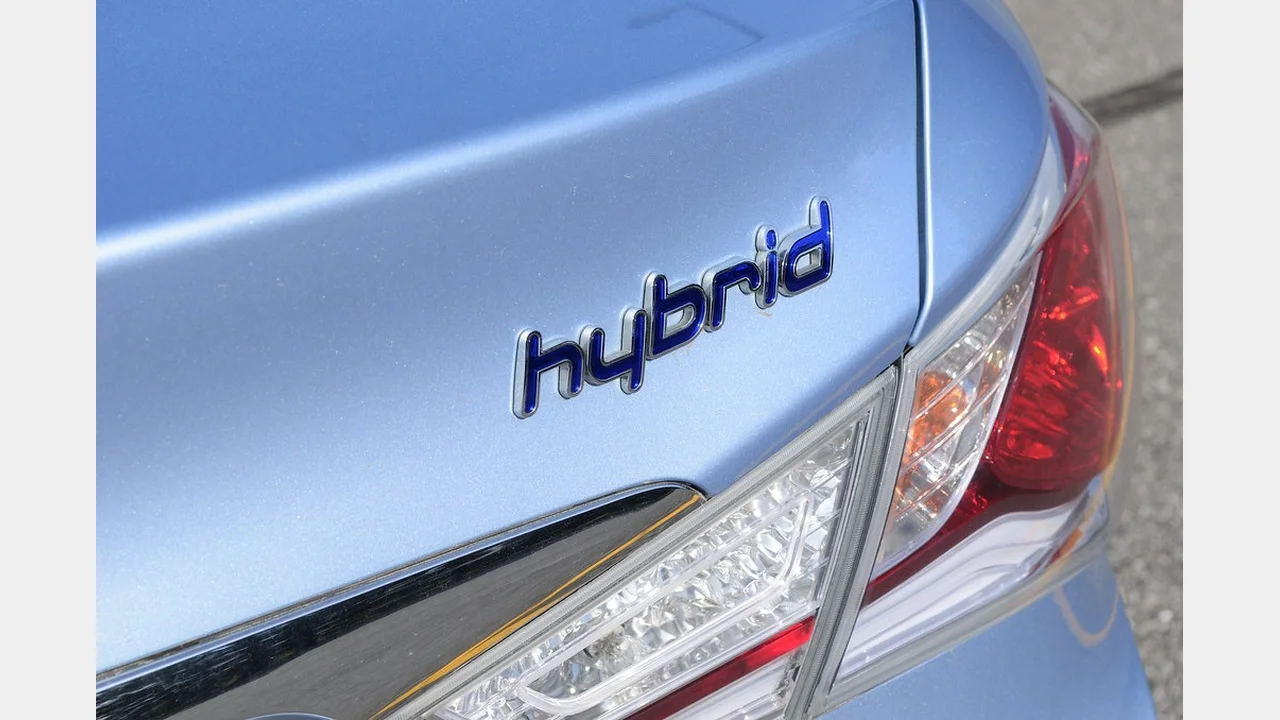
Hybrid vehicles combine a gasoline engine with an electric motor, which changes the way routine care and unexpected repairs are approached. Drivers researching hybrid car problems maintenance often ask whether the high-voltage system makes service more complicated or expensive. The answer depends on the vehicle, its age, how it is driven, and whether the correct service interval has been followed. Understanding the two power sources helps owners separate normal wear items from hybrid-specific concerns and respond to warning signs without assuming the battery pack or power electronics have failed.
Essential answer
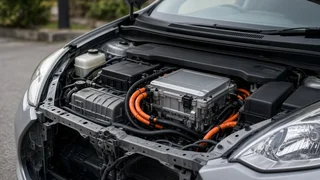
Routine upkeep on a hybrid is not fundamentally more difficult than on a conventional car, but it does add components that require attention. Oil changes, tire rotations, brake inspections, and coolant exchanges still follow a manufacturer schedule based on time and mileage. The main difference is the high-voltage battery, power control module, and regenerative braking system. These parts reduce some wear, especially on friction brakes, while introducing service items that do not exist on a gasoline-only vehicle.
A complete maintenance record matters because operating conditions change how quickly fluids and filters degrade. Frequent short trips, extreme temperatures, dusty roads, and stop-and-go traffic can move scheduled service items earlier. The hybrid system also blurs conventional intervals: the engine may run fewer hours than the odometer suggests, but its oil can still accumulate moisture and fuel dilution. Owners should follow the schedule written for their specific model instead of assuming low engine runtime means every fluid lasts longer.
Diagnosing a problem
When a hybrid displays a warning light or behaves differently, the cause is often a conventional component rather than the battery pack. A loose fuel cap, weak 12-volt battery, failing oxygen sensor, or worn wheel speed sensor can trigger messages that appear hybrid-related. A fault code identifies a circuit or system that returned an unexpected value; it is a starting point for diagnosis, not proof that an expensive inverter, motor, or high-voltage battery has failed. Manufacturer-dependent codes need confirmation on the specific vehicle.
Observable symptoms help narrow the problem. Reduced fuel economy with normal acceleration may point to tire pressure, alignment, or air filter condition. Harsh transitions between electric and engine power can stem from old transmission fluid or a failing engine mount. Repeated 12-volt battery discharge often affects the computers that wake the high-voltage system. If the vehicle loses power, overheats, or shows a high-voltage isolation warning, stopped use and professional diagnosis are warranted because the energy stored in the traction battery can remain dangerous even when the car is off.