How Long Does a Car Water Pump Last
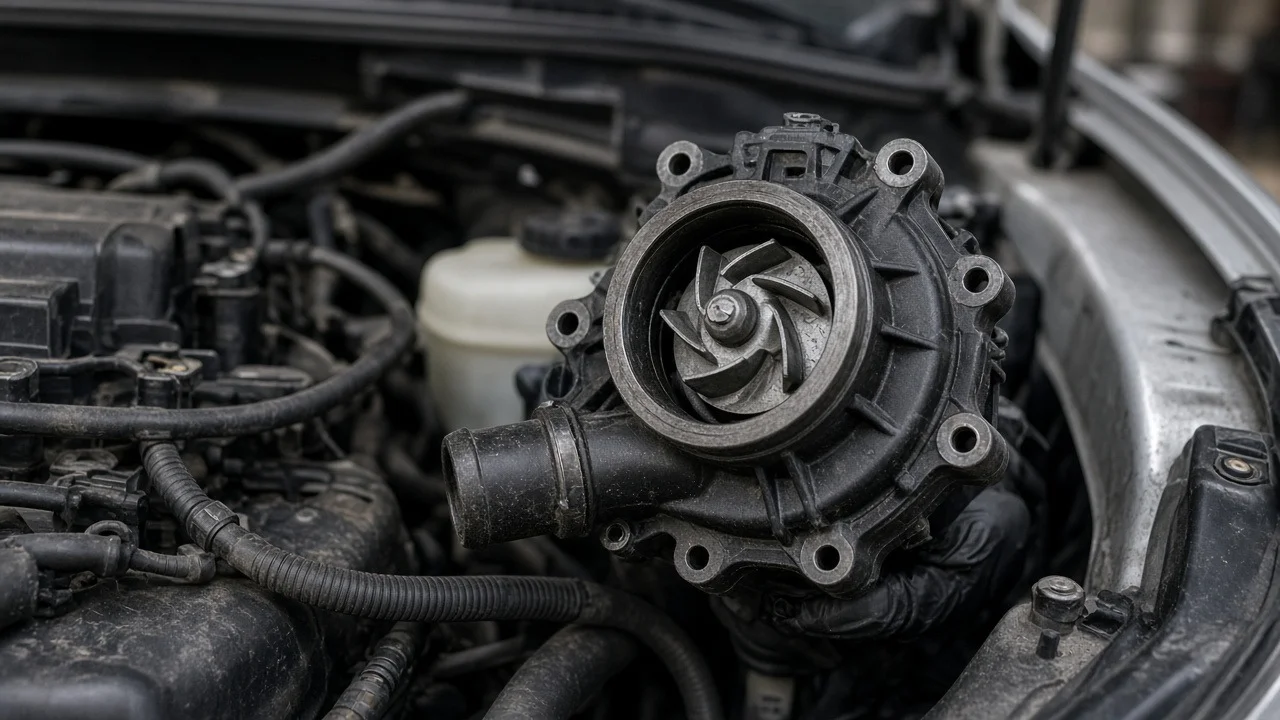
A car water pump usually lasts long enough that many owners treat it as a background component, yet its failure can stop a trip quickly. This pump keeps coolant circulating through the engine, radiator, heater core, and thermostat so heat moves away from cylinder heads and block surfaces. Service life varies because the bearing, seal, and impeller work under continuous load, coolant pressure, and temperature swings. Understanding the realistic lifespan, the signs of wear, and the factors that shorten or extend operation helps an owner plan replacement before a small leak becomes an overheating event.
Essential answer
There is no universal replacement interval for every vehicle, but many car water pumps are expected to last roughly 60,000 to 100,000 miles. Some designs continue well beyond that range, and a pump can occasionally survive 15 years in mild service, so the question of how long a water pump lasts depends heavily on driving conditions and maintenance. Rather than treating that mileage band as a firm limit, owners should use it as a planning window while watching for mechanical noise, coolant seepage, or temperature instability.
The water pump life expectancy is tied to the bearing and seal rather than a predictable countdown. A pump driven by the timing belt is often replaced when the belt service is performed because the labor overlap is significant and a failing pump can damage the belt system. In other engines, the pump may be driven by an external serpentine belt and replaced only when inspection shows leakage or roughness. Asking how often to replace a water pump therefore leads to a condition-based answer more often than a single mileage rule.
Coolant condition shapes pump life quietly. Old or diluted coolant loses corrosion inhibitors, allowing cavitation and abrasive particles to wear the seal and impeller. The coolant concentration also matters because the fluid lubricates the pump seal while preventing freezing and boil-over in the cooling circuit. Maintaining the correct coolant specification, clearing air pockets after service, and keeping the pressure cap and radiator clean all reduce stress on the shaft bearing and help the pump reach the longer end of its expected range.
A small coolant weep from the pump's vent port is an early warning, not proof of immediate failure. It means the internal seal is losing its ability to contain pressurized coolant, and continued driving can let the leak grow or allow the bearing to overheat. If the pump becomes noisy, wobbles at the pulley, or the engine runs hot without another explanation, the component should be evaluated promptly. Replacing it before complete failure is usually less expensive than repairing heat damage to the engine.