How Long Does Water Pump Replacement Take
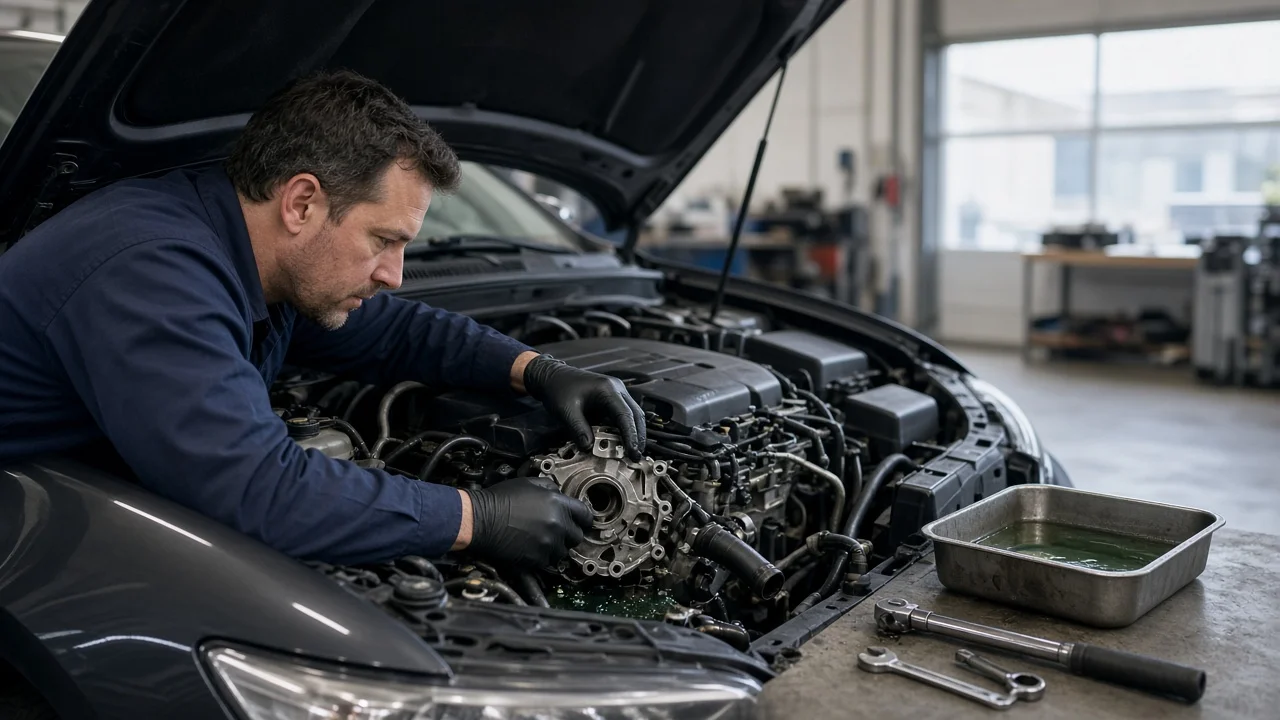
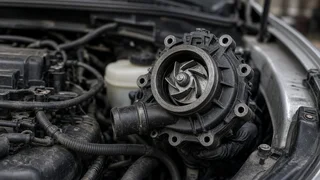
A water pump replacement can feel like a major interruption, but the actual labor is usually measured in hours rather than days. Understanding how long to replace a water pump in car means looking beyond a single figure. The work varies with engine layout, drive-belt routing, and whether other front-engine parts must move. During the job, a technician also drains the cooling circuit, refills the coolant specification, and bleeds air pockets. The result should be a sealed system with restored flow through the radiator and heater core.
Essential answer
For many common front-engine vehicles, the direct labor to change a water pump typically falls within a two-to-four-hour window once the engine has cooled. The question is not only how long to change water pump on car, but also why the range exists. Engines with a timing-belt-driven pump often require removing the belt, tensioner, and related covers. A pump driven by an external accessory belt can be quicker because fewer timing components are disturbed, but access to the mounting bolts still controls the pace.
The repair includes draining enough coolant to avoid spilling it, cleaning the mounting surface, and refilling with the correct coolant concentration before the thermostat opens fully. The radiator pressure cap then helps the system build pressure after trapped air pockets are released. Because a water pump shares a sealing surface with the block, proper gasket cleanup and an even torque sequence matter more than raw speed. The estimated duration should therefore include time to verify that coolant flow returns without leaks.