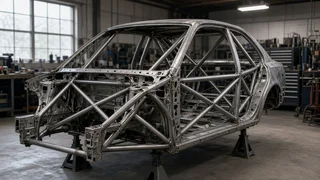
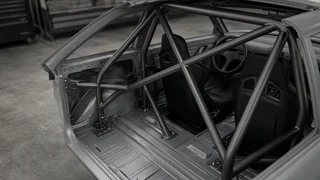
Hornet race car roll cage
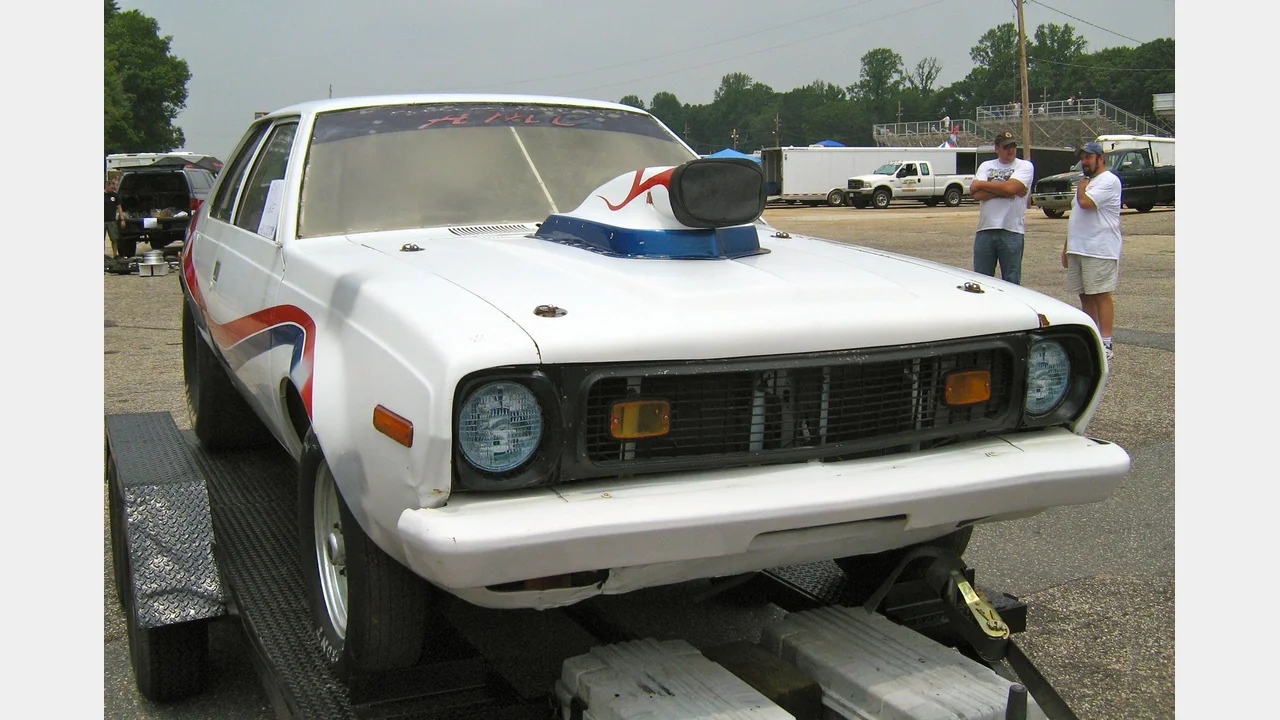
A Hornet race car roll cage is a welded or bolted protective structure designed to surround the driver and absorb or redirect loads during a crash or rollover. The term often appears when enthusiasts convert a compact Hornet platform into a circle-track, rally, or grassroots competition car. Because the subject may refer to different Hornet models and rulebooks, the correct cage design depends on the sanctioning body, vehicle structure, and intended competition class. Understanding tube layout, mounting, joint quality, and driver clearance helps separate a compliant safety structure from a decorative or inadequate bar arrangement.
Essential answer
A Hornet race car roll cage is fundamentally a primary safety system, not a chassis stiffening accessory. Its essential job is to maintain a survivable space around the driver if the roof, door openings, or floor deform. The cage should include main hoop, front hoop or down bars, roof bars, door bars, rear braces, and properly sized mounting plates that spread impact forces into the unibody. The specific tube specification and joint design must align with applicable competition rules, which vary by track and series.
When evaluating a Hornet cage, focus on load paths rather than tube count alone. A protective structure works when bends are minimized, joints are fully welded or correctly sleeved, and mounting plates sit on reinforced sections of the floor, rocker, or frame rail. Occupant clearance is also central: the driver’s helmet and limbs must stay away from bare tube under load. Without rulebook confirmation, no single layout can be called race-legal for every Hornet application.