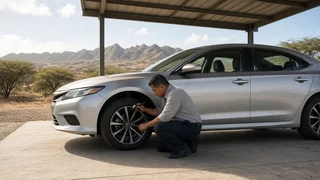
Honolulu vehicle safety inspection

Understanding the Honolulu vehicle safety check helps drivers prepare for a smoother inspection rather than reacting to a surprise failure. The process verifies basic roadworthiness and registration identity, but its exact criteria can differ from mainland safety inspection or emissions test programs. Vehicles registered in the area typically require this periodic check, and being familiar with the inspection points lets an owner assess lights, tires, glass, and controls before arrival. A failed first visit is not intended as a penalty; it generates required corrections and a retest pathway. Knowing this scope separates routine preparation from avoidable repeat trips.
Essential answer
A Honolulu vehicle safety check is a periodic verification that a car meets baseline operating requirements for use on public roads. It focuses on equipment that directly affects control and visibility, such as braking response, steering feel, lamp function, tire condition, windshield clarity, and secure mirrors. While the inspection confirms that essential systems are present and working at the time of the check, it is not a comprehensive mechanical diagnosis. A passing result means the vehicle satisfied observable safety criteria during that visit, while a failing result records a specific deficiency that must be corrected before a retest.
The inspection also ties the vehicle to its recorded identity. The inspector typically confirms the vehicle identification number and registration details so the safety report belongs to the correct car. Unlike a general pre-purchase evaluation, this check does not certify engine longevity, transmission health, or cosmetic condition. Its scope is limited to road-safety items and identification. For Honolulu drivers, that distinction matters because a recent safety certificate does not replace routine service. It indicates that the tested items met the program’s current standards, not that the vehicle is free of all future mechanical risk.