Kapolei vehicle safety inspection
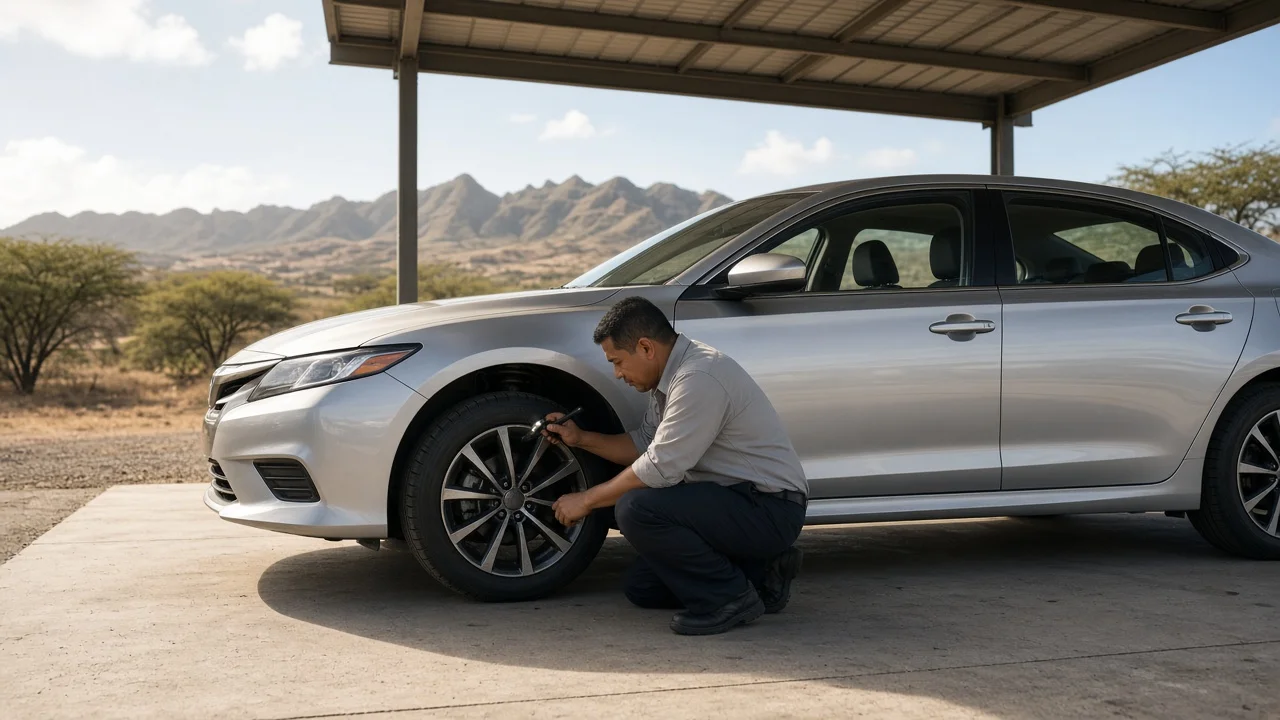
A Kapolei vehicle safety inspection is the practical first step in confirming that a car, truck, or SUV meets the baseline mechanical and structural requirements for operation on public roads. Rather than a deep diagnostic session, this process is an organized visual and functional check of the systems most connected to crash avoidance and occupant protection. The resulting paperwork serves as evidence that the vehicle passed the inspection criteria at that moment. Understanding the typical scope helps an owner prepare for the appointment and avoid a surprise retest.
Essential answer
The essential answer is that a Kapolei vehicle safety inspection is a point-in-time evaluation of a vehicle’s key safety-related components, not a comprehensive repair diagnosis or a guarantee of future reliability. Inspection criteria generally center on items such as brake performance, tire tread depth, lighting function, steering response, seat belt condition, and the security of the suspension. A passing result means the vehicle met the applicable checkpoints on that specific day, while a failing result typically leads to a retest after the identified defect is corrected.
Because a safety inspection is distinct from an emissions test, it focuses less on tailpipe output and more on mechanical integrity and visible damage. Vehicle identification is recorded to tie the report to the correct frame or chassis, but the inspector does not disassemble components to search for hidden faults. A test certificate or similar documentation may be issued upon passing. Drivers should view this inspection as a useful owner-awareness tool, distinguishing it from a complete pre-purchase examination or a manufacturer’s maintenance schedule.