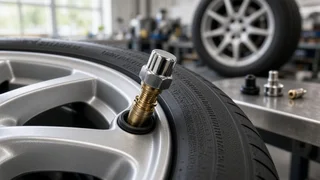
Honda Tire Valve Stem (TPMS) Replacement

A failing tire valve stem on a Honda is more than a slow leak; it often carries the tire pressure monitoring sensor that guards inflation. Honda Civic and CR-V owners may see a warning light or hear hissing at the wheel, yet the real fix depends on whether the stem can be serviced separately or needs the complete TPMS assembly. Understanding how the stem, sensor, wheel, and tire size work together keeps the repair from turning into a false low-pressure alert or a damaged sensor after mounting.
Essential answer
Replacing a Honda tire valve stem generally involves removing the tire from the wheel, detaching the old stem from the sensor or wheel, and installing a fresh sealing component before remounting and rebalancing. On many models with direct TPMS, the aluminum or rubber stem is part of the sensor assembly, so a corroded or cracked stem may require replacing the entire sensor unit, not just the visible cap and core. The scope changes when the sensor is still healthy and only the sealing grommet or stem body has failed.
A Honda Civic or CR-V may use a snap-in rubber stem or a clamp-in metal stem, and the difference affects the service approach. The tire size, load index, and speed rating printed on the tire sidewall do not dictate the stem design, but the inflation pressure listed on the vehicle placard matters because repeated underinflation can stress the stem and sensor. Confirm whether the warning light points to a low tire, a communication fault, or a physically damaged valve before replacing parts.