Honda City kei car
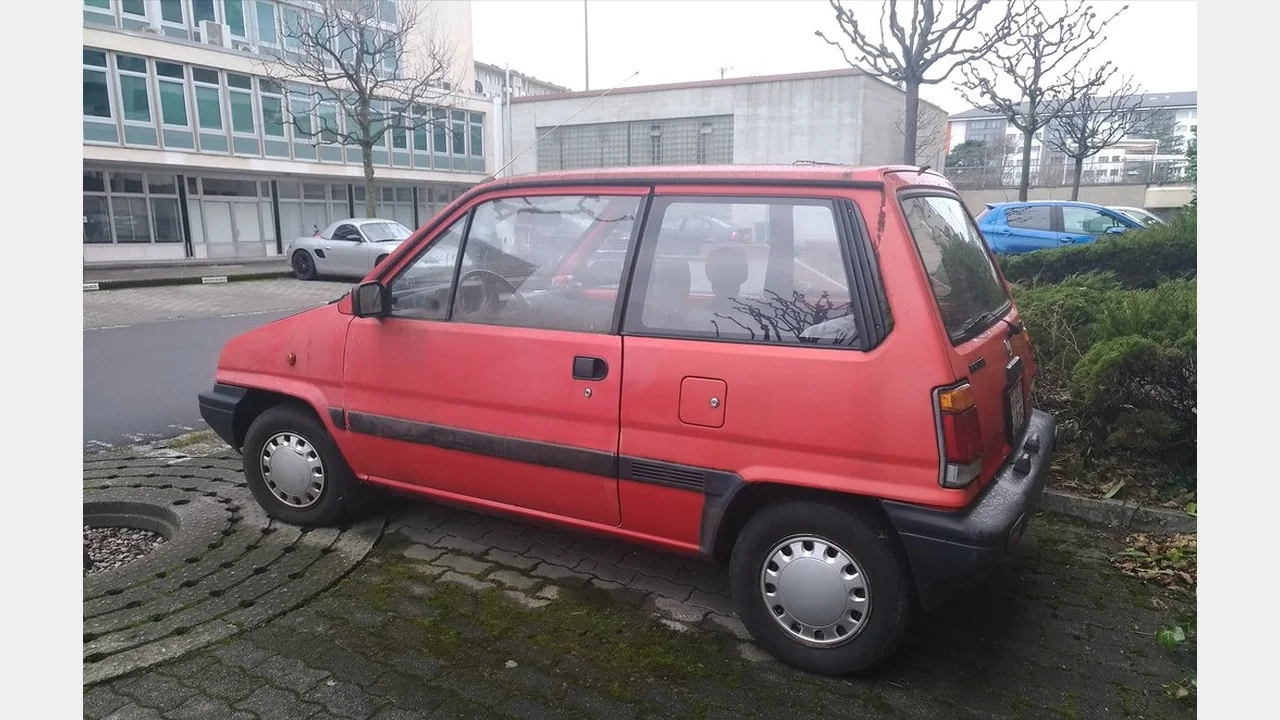
The query “Honda City kei car” mixes two distinct segments of Honda’s history. The City nameplate was a subcompact or supermini sold in several markets, but it was not a kei car under Japan’s keijidosha rules. Kei cars are a separate vehicle class defined by strict limits on overall size and engine displacement, and Honda has served that class with models such as the N-Box, N-One, and Beat. Understanding the distinction helps a buyer avoid confusing two different market segments and body configurations.
Essential answer
A Honda City is not correctly classified as a kei car. The City has historically been a larger small car, offered as a three-door hatchback in early generations and later as a sedan or five-door body configuration. A true Honda kei car fits the Japanese keijidosha vehicle class, which uses a smaller footprint, reduced seating layout, and an engine size far below what the City has used in its mainstream versions.
The overlap in searches likely comes from the City’s compact appearance and its long popularity in markets where small vehicles are common. However, market segment matters: the kei class favors city runabouts with narrow width and short length, while the City is a subcompact with broader interior space and a conventional powertrain layout. A shopper interested in a genuine Honda kei car should look toward the N-series family rather than the City nameplate.