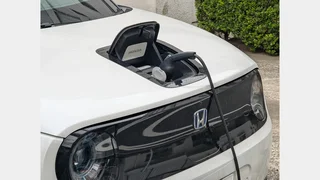
Honda car colors
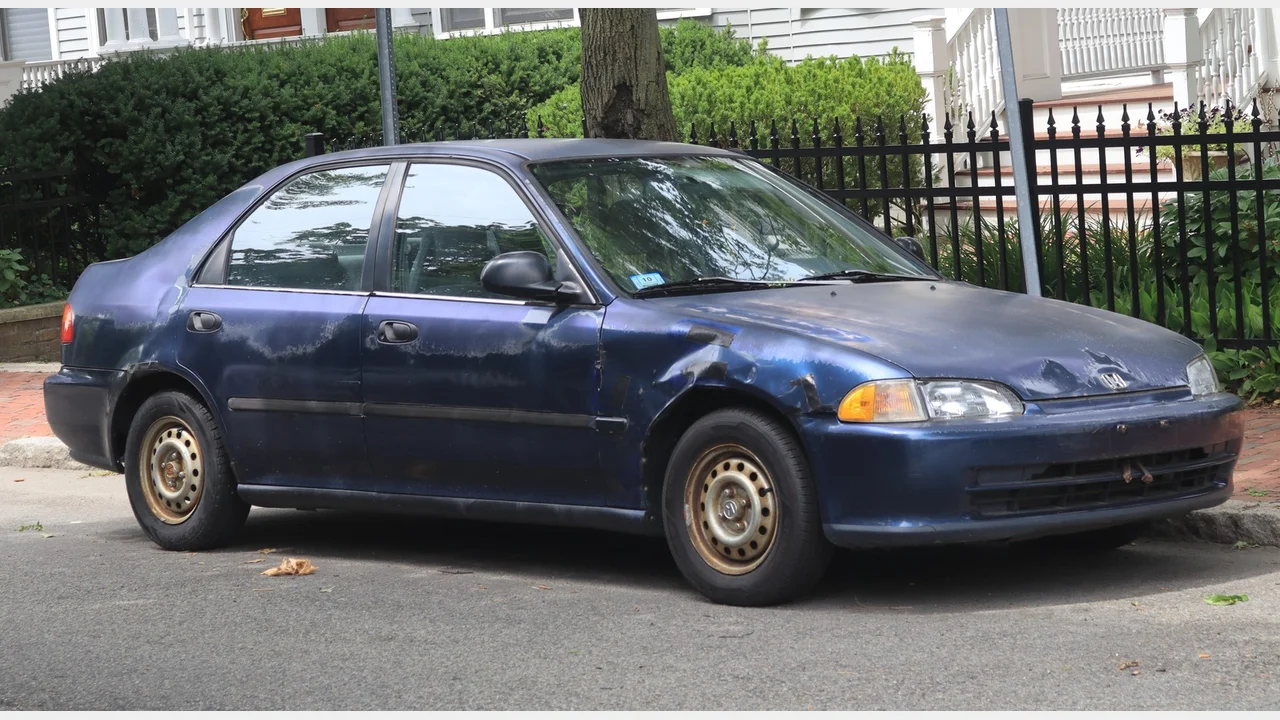
Choosing a Honda paint color involves more than matching a swatch under showroom lights. The right shade affects how a vehicle looks across different body styles, trims, and model generations, and it can influence long-term ownership satisfaction. Because availability changes by model year and market specification, buyers should treat color as part of the whole vehicle decision. Understanding how finishes are paired with equipment, how they behave on the road, and how they age helps narrow the field before visiting a dealer or browsing used listings.
The direct answer
The immediate question is rarely just “What colors exist?” but “Which Honda car colors should I actually consider for the model I want?” The practical answer is to start with the exact body style and trim level, then check which paints are currently offered for that configuration. A color may appear on a sedan but not on the related hatchback, or it may be reserved for a sport-oriented trim. Confirming fitment against the specific vehicle generation prevents disappointment when a shade seen in a photo is not available on the chosen powertrain configuration.
Appearance also changes with the finish type. Standard clearcoat paints, pearlescent whites, and premium metallic grays can look different on curved body panels than on flat sample chips. Some hues are paired only with specific interior colorways, so a buyer should evaluate the complete color combination rather than the exterior alone. If a particular shade matters more than a specific trim, filtering inventory by that color can reveal which trims and model years are realistic candidates.