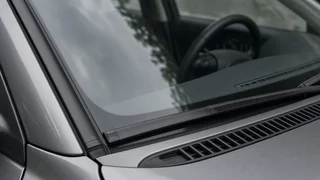
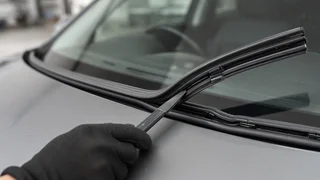
Honda Accord 1994–1997 Windshield Molding
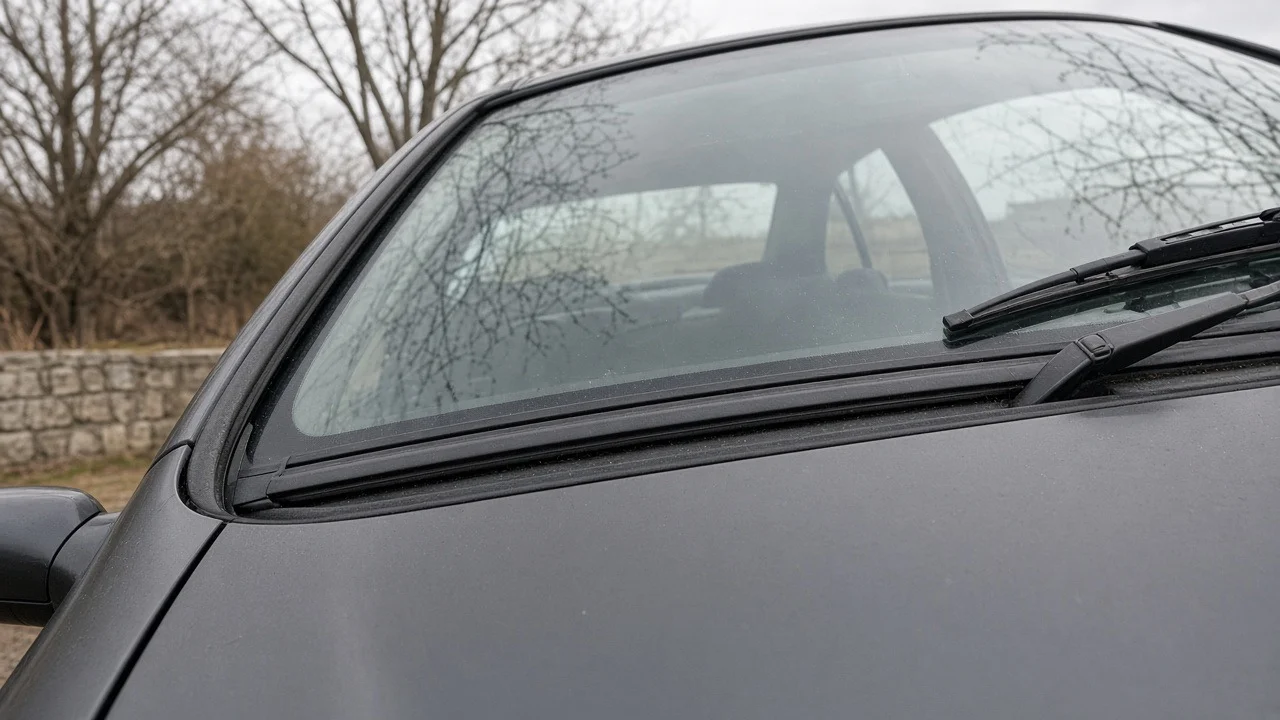
Windshield molding on a 1995 or 1996 Honda Accord is more than a cosmetic strip. These years, covering the 1994–1997 generation, use trim that bridges the glass edge and body to manage water ingress and seal condition. Owners often notice cracking, lifting, or missing pieces and want to know how glass fitment works before buying parts. Understanding the molding’s function helps distinguish a nuisance from a leak risk and clarifies why proper replacement matters for visibility and long-term body protection.
Essential answer
The windshield molding for a 1995 Honda Accord windshield molding or its 1996 sibling is a flexible perimeter trim that finishes the gap between the glass and the roof or pillar metal. In this generation, the molding is typically a separate component rather than an inseparable part of the glass assembly. Its job is to smooth airflow, reduce wind noise, and shield the adhesive bond underneath from direct sun, debris, and moisture. Age, UV exposure, and car washes commonly make the strip brittle, shrink, or lift away from the channel.
A cracked or missing molding does not always mean the windshield is leaking immediately, but it removes the first line of defense for the seal below. Water can sit in the channel, freeze, or work past aged urethane, leading to water ingress at the dash or headliner. Checking seal condition along the top edge and A-pillars is a practical first step. Replacement strips are available in the aftermarket, often as fitted sections for the 1994–1997 Accord, and should match the vehicle specification for coupe or sedan body styles before ordering.