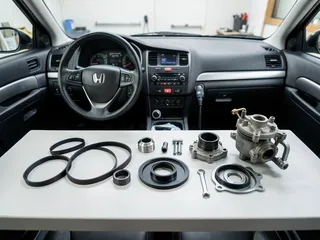
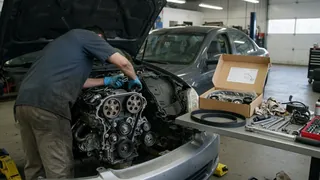
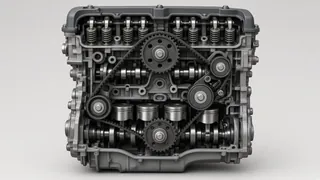
Honda 3.5 V6: Timing Belt or Chain
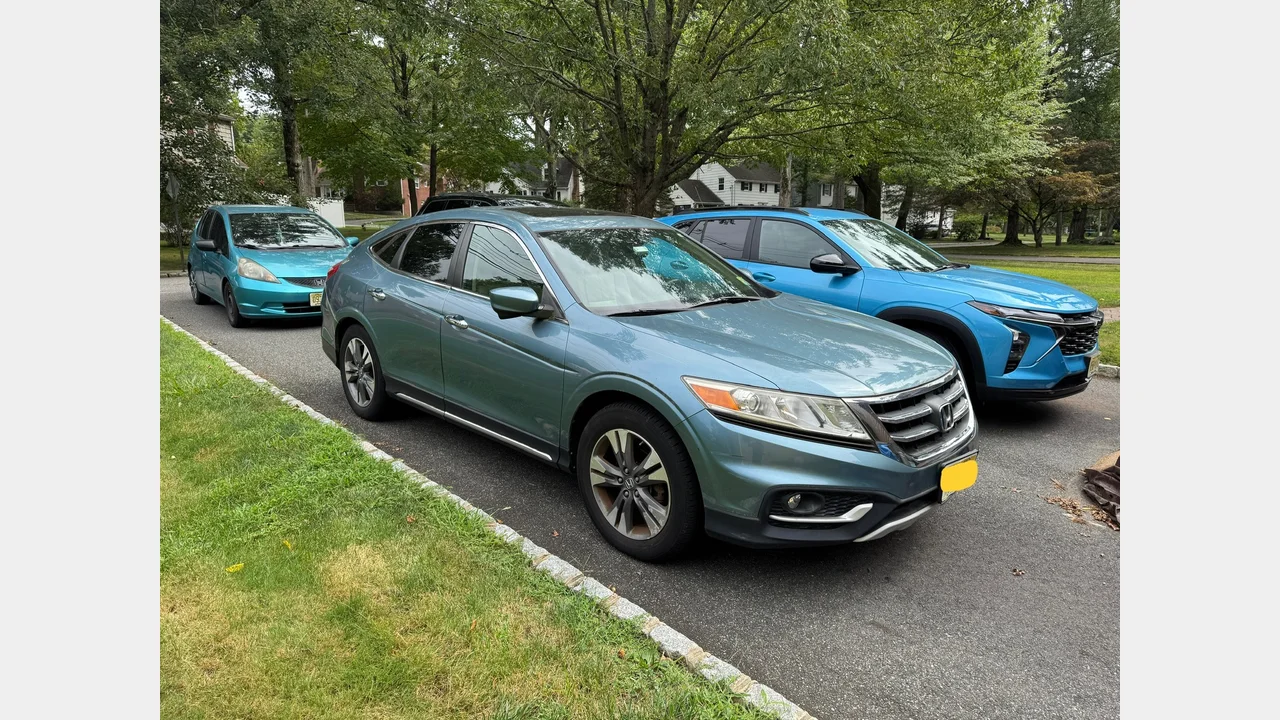
Identifying whether a Honda 3.5 V6 uses a timing belt or chain is essential before planning major service. The answer affects replacement intervals, inspection methods, and long-term ownership costs. Honda has produced several 3.5-liter V6 families, and the correct answer depends on the specific engine configuration rather than displacement alone. Understanding this distinction helps owners interpret service history, recognize symptom conditions, and avoid unnecessary work. The following explanation covers the essential identification logic and practical ways to confirm the design for a particular vehicle.
Essential answer
Most Honda 3.5-liter V6 engines use a timing belt, but this is not true for every version. The widely used J-series V6 family, which includes many 3.5L variants, typically drives the camshafts with a timing belt. However, some later 3.5 V6 designs incorporate a timing chain, so displacement alone is not a reliable identifier. The material difference matters because belts have scheduled replacement mileage, while chains are often designed to last the life of the engine under normal conditions.
To confirm the design for a specific vehicle, the engine configuration and service history should be checked together. A belt-driven valvetrain usually has a visible plastic or metal timing cover and may show replacement stickers or records at typical service intervals. A chain-driven design often has a more integrated front cover and different inspection points. Manufacturer specifications for the exact model year remain the authoritative reference, because the same 3.5L displacement can appear across different vehicle platforms with different internal arrangements.