Honda 2.4: Timing Belt or Chain
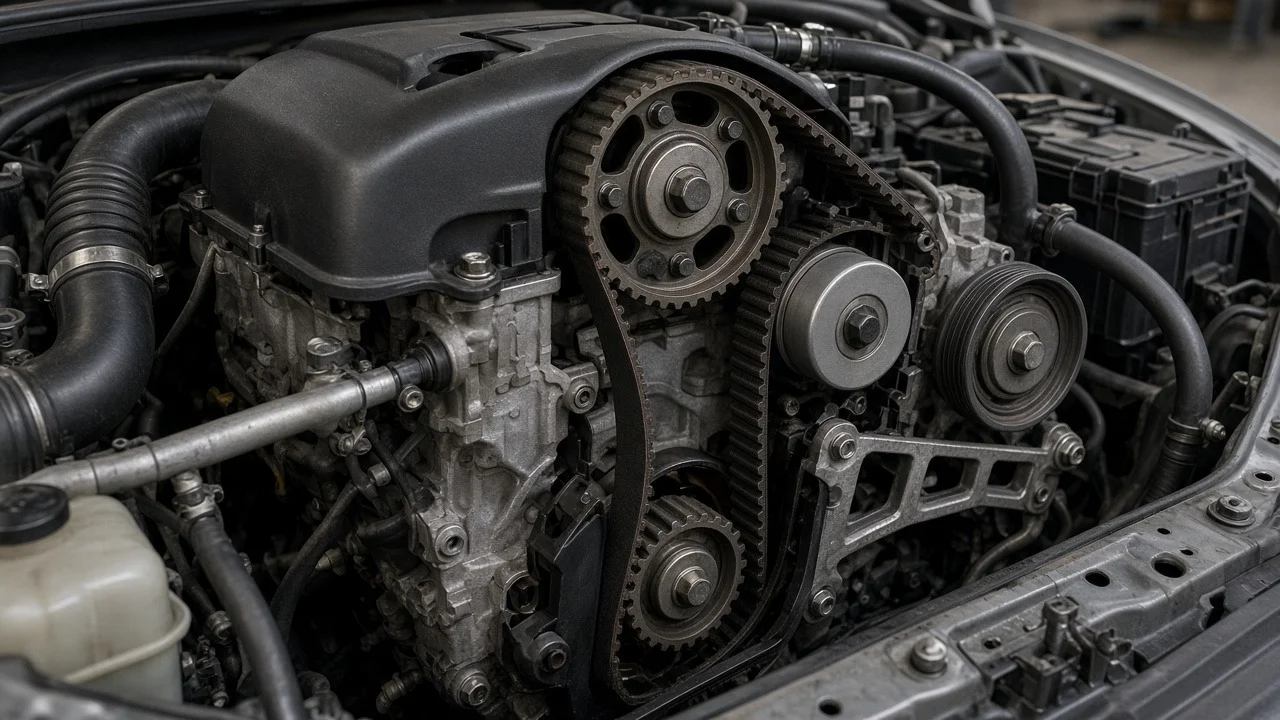
The question of whether a Honda 2.4-liter engine uses a timing belt or timing chain matters because the answer changes expected ownership costs, service intervals, and potential failure symptoms. These four-cylinder engines appear across several Honda and Acura models, so engine configuration and service history shape how a particular vehicle should be inspected. Understanding the difference between a rubber belt and a metal chain helps explain what owners may need to watch for when listening for unusual noise or reviewing diagnostic codes during an inspection.
Essential answer
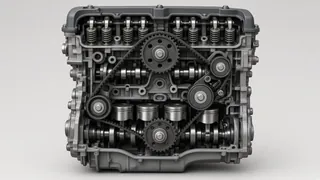
Most Honda 2.4-liter four-cylinder engines commonly found in vehicles such as the Accord, CR-V, and Element use a timing chain rather than a timing belt. The chain is housed inside the engine and lubricated by engine oil, which means it is not routinely replaced like a belt at a predetermined mileage interval. That design distinction is useful when evaluating a used vehicle because there is no repeated belt service to verify in the service history.
A timing chain can still develop wear, but its condition is generally assessed by symptom conditions and inspection rather than by an automatic replacement schedule. Before assuming a specific engine is chain-driven, owners should confirm the exact engine variant through the vehicle identification or manufacturer specifications, since Honda has produced more than one 2.4-liter design over time. Diagnostic codes may point toward timing-related concerns, but they do not identify a failed component by themselves.