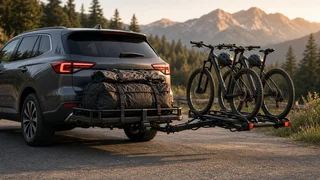
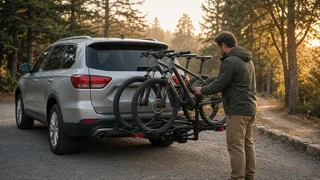
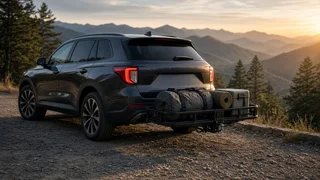
Hitch cargo carrier bike rack adapter
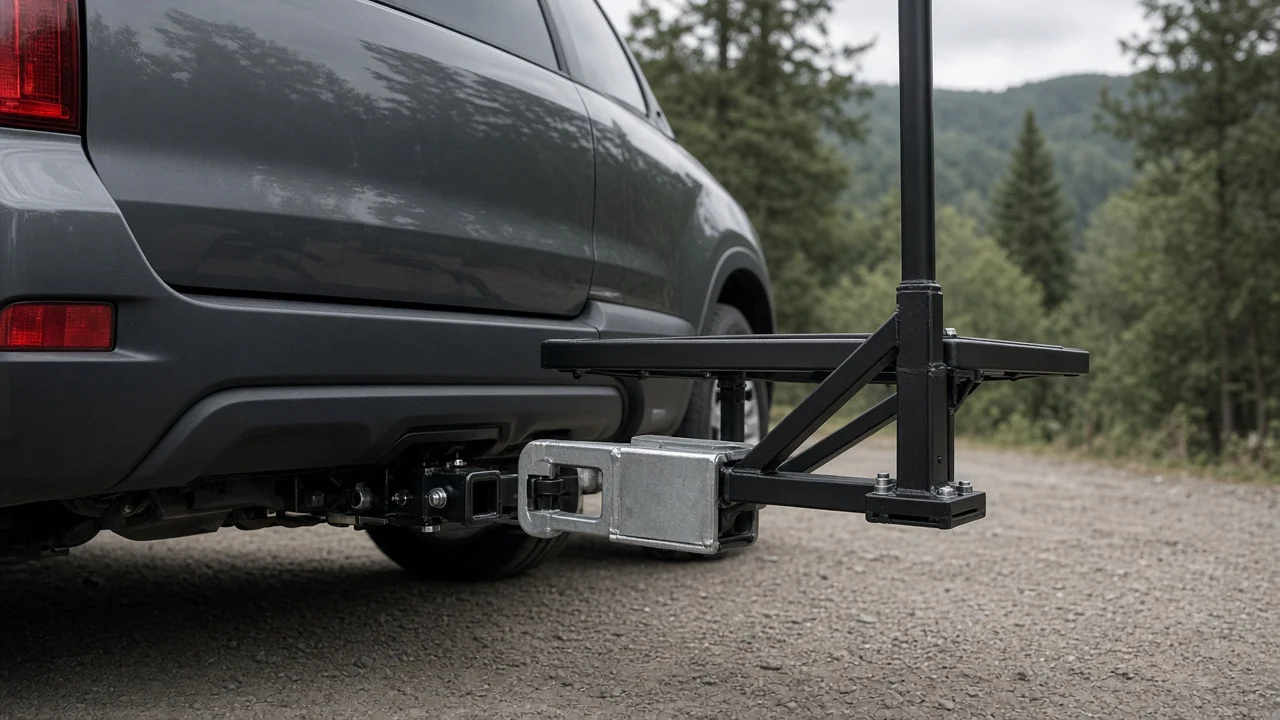
Choosing a hitch mounted cargo carrier bike rack adapter means solving a fit problem before it becomes a roadside problem. You need a platform that carries gear, a rack that holds bicycles, and a receiver connection that keeps both stable without blocking lights, latches, or the tailgate. The answer depends on matching the adapter to your hitch class, shank size, load rating, and the shape of the cargo carrier rail. A well-matched piece preserves clearance over curbs and driveways while resisting wobble, rust, and loosening at the mounting points.
The direct answer
Start by confirming the receiver tube size on the vehicle and the shank size on the adapter. Most light-duty setups use a 2-inch receiver, but some crossovers and cars still have a 1.25-inch opening. If the cargo carrier was built for a different size, the adapter must be a solid reducer or riser rather than a loose sleeve, because slack at that junction magnifies sway and metal fatigue under a loaded basket. Also check whether the carrier has a flat platform rail or tubular crossbars, since the clamp footprint must land on a supported surface.
The second condition is the intended load. A hitch mounted cargo carrier bike rack adapter shifts the bike mass outward and upward, so the tongue weight limit of the hitch and the capacity of the cargo carrier both apply. Bikes with fenders, fat tires, or step-through frames often need frame hooks or wheel trays that clear the basket edges. If the carrier blocks the bike’s contact points, a taller riser may restore clearance, but only when the added leverage still stays within the vehicle’s allowable load rating.