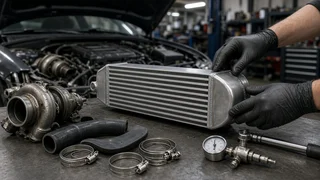
Hilux Turbo Intercooler
Choosing a Hilux turbo intercooler is about protecting boost pressure and keeping charge-air temperature down during sustained 4x4 work. A cracked tank, loose hose connection, or oil-soaked core can raise intake heat, increase pressure loss, and make throttle response feel soft. The right replacement should match the vehicle’s piping layout, mounting points, and driving conditions. This guide explains what to inspect before buying so the new intercooler restores consistent compressor outlet flow without creating fitment or contamination problems.
The direct answer
The immediate choice is between a factory-style replacement and a larger aftermarket core. For most owners, a direct-fit unit that seals at each inlet and outlet is the safest purchase because it preserves the original hose connection geometry and hood clearance. A larger intercooler can reduce charge-air temperature, but it may require trimming brackets or changing pipe routing. Consider the replacement only when the vehicle’s front structure and boost level support the change without blocking airflow to the radiator.
Before ordering, confirm whether the existing unit shows physical damage, such as a split end tank or an oil film around a joint. Oil contamination inside the intake path is common on turbocharged engines, but it can also signal a leaking seal. A small amount of residue does not automatically condemn the intercooler. However, if soapy-water testing or a smoke check reveals a pressure leak, the core is no longer holding the boost the turbo is producing and replacement is the appropriate next step.