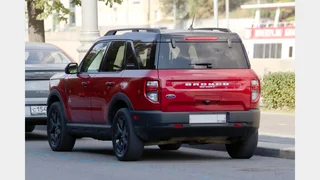
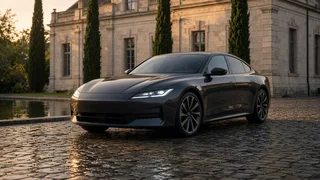
High end sport utility vehicles

Choosing among high end sport utility vehicles means matching a premium body style to the way you actually use passenger space, cargo access, and varying operating conditions. The right vehicle configuration should support daily comfort, long-distance composure, and occasional rough roads without forcing compromises in refinement. Because luxury SUVs differ in suspension tuning, interior layout, and all-wheel-drive behavior, a focused evaluation of your ownership needs prevents an expensive mismatch. The following direct-answer guidance explains which characteristics matter first and how to weigh them during a purchase decision.
The direct answer
Start by identifying the body style and vehicle configuration that fit your typical load and passenger mix. A two-row luxury SUV can feel airy and composed, while a three-row variant may add seating but reduce second-row legroom or cargo depth. If you routinely fold seats and move large items, measure the rear opening and the space behind the first row rather than relying on overall length. Those dimensions determine whether the cargo access works for strollers, luggage, golf bags, or bulky equipment you carry most often.
Next, separate showroom polish from long-term suitability by focusing on ride isolation, noise control, and driver confidence under your normal operating conditions. A model with large wheels and performance tires may look striking but ride more firmly over broken pavement. Test the same route you drive frequently, and pay attention to steering effort, outward visibility, and low-speed maneuverability. Matching the luxury experience to your ownership needs matters more than badge prestige or a long feature list alone.