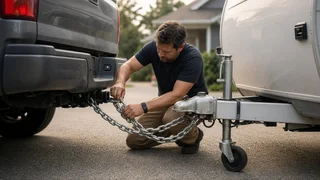
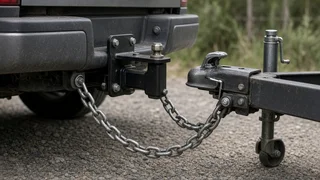
Heavy duty trailer safety chains
Choosing heavy duty trailer safety chains is not about buying the heaviest link you can find; it is about matching the chain configuration to the truck, hitch, and trailer weight you actually tow. A chain that meets tensile expectations provides a last line of connection if the coupler separates from the hitch ball. This guide explains how to evaluate the connection point, weight ratings, and chain attachment so the safety assembly works under real towing stress without dragging or binding.
The direct answer
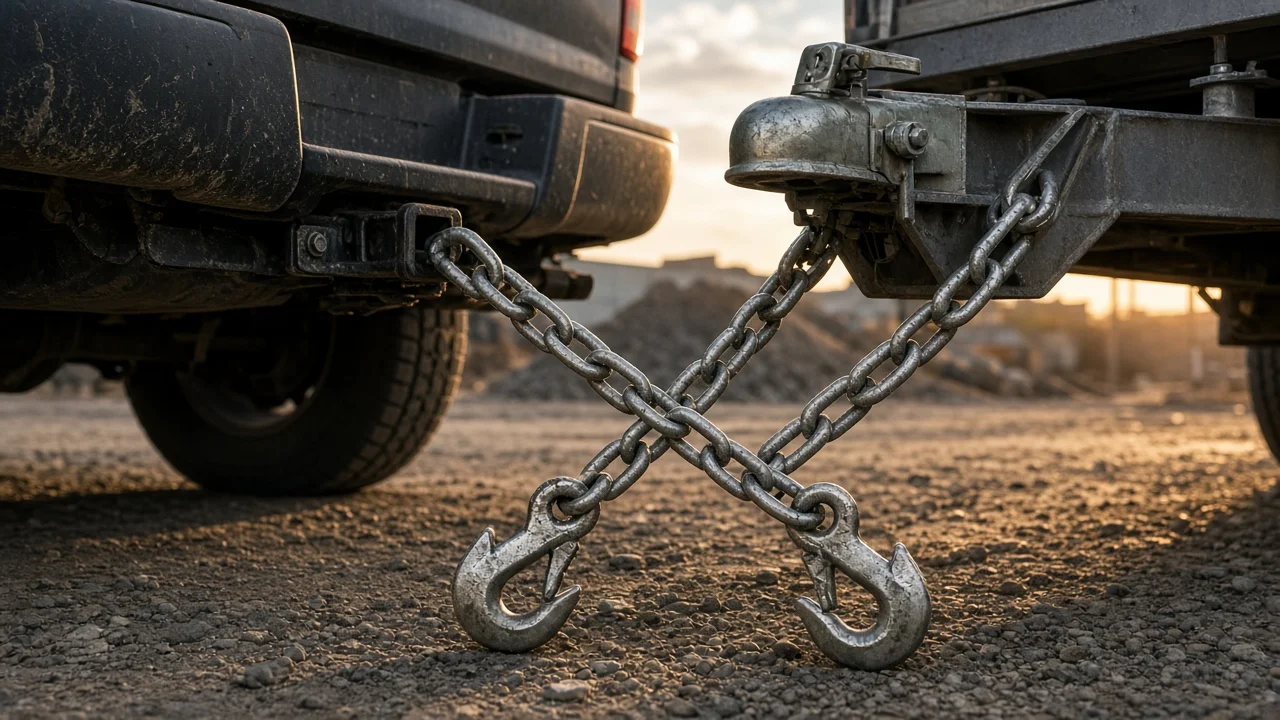
The immediate answer is that heavy duty trailer safety chains must be rated for the gross vehicle weight rating of the trailer, not just the weight of the cargo. They need to connect the trailer tongue to the tow vehicle frame or hitch in a crossed pattern beneath the coupler. This routing creates a cradle that supports the tongue and helps prevent it from digging into pavement if the hitch separates. A chain with a capacity below the trailer's loaded weight cannot maintain control during that moment of slack and shock load.
The practical choice is a chain assembly whose working load limit or break strength clearly exceeds the trailer’s gross vehicle weight rating, with enough length for tight turns but not so much that it drags. The hooks must fit the attachment loops without opening under tension, and the links should show no deep corrosion or stretched sections. For a heavy duty setup, stamped chain is generally preferred over welded cable because it resists abrasion better at the ground contact point.