Heavy duty trailer hitch ball
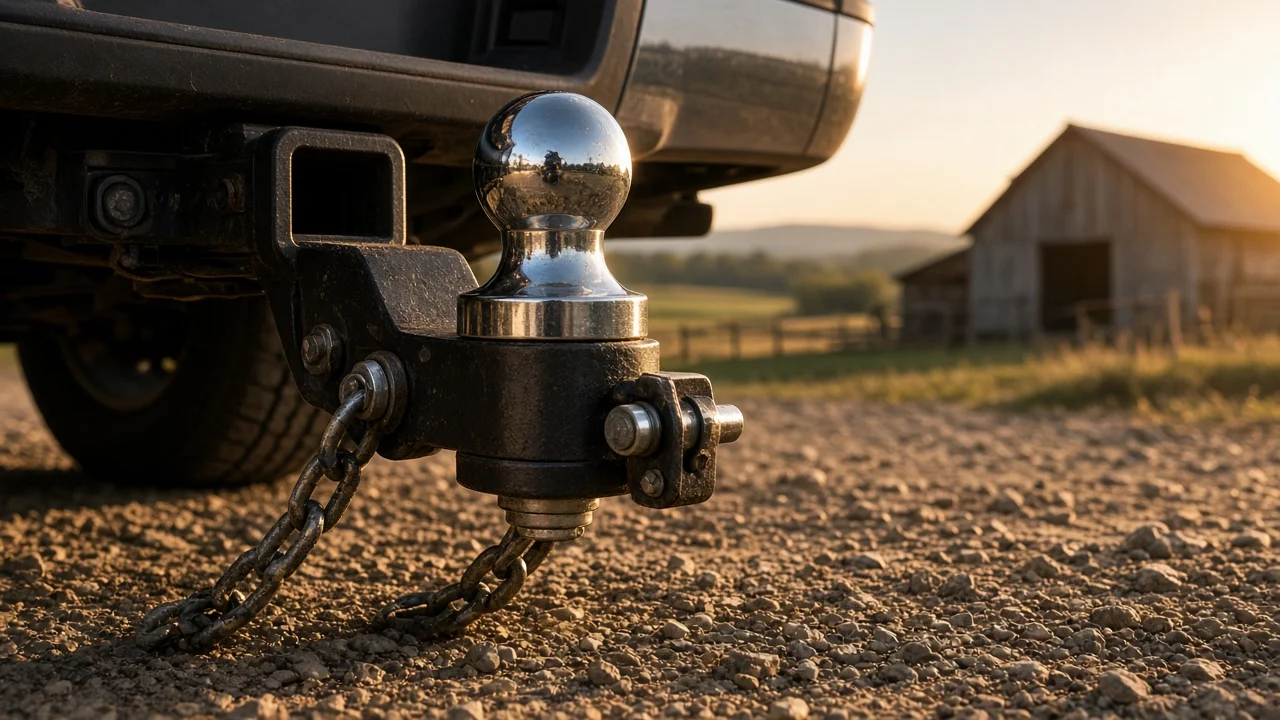
Choosing a heavy duty trailer hitch ball is not just about picking the largest shank on the shelf. It is about matching the ball to the trailer coupler, the receiver, and the real loads the tow vehicle will carry. A hitch ball that looks strong can still be the wrong fit for your tongue weight or gross vehicle weight rating. This guide explains what makes a heavy duty option suitable and how to assess the common “heavy duty trailer ball hitch” search result before you buy.
The direct answer
For most owners, the immediate answer is that a heavy duty trailer hitch ball is a ball with a larger shank diameter and a higher rated load capacity than a standard light-duty ball. The material condition changes the result: a ball rated for 7,500 or 10,000 pounds is not automatically safe unless it matches the coupler size, the ball mount platform, and the tow vehicle’s axle rating and combined weight rating. A visibly thicker shank only matters if it fits the receiver and the coupler without adapters that introduce play or reduce the effective capacity.
The practical selection should therefore begin with the trailer’s coupler marking and the receiver’s pin hole size, not with a catalog’s maximum rating. A heavy duty ball is typically used for equipment trailers, car haulers, boat trailers, and heavier utility trailers where tongue weight and dynamic loads are high. If the existing ball has a threaded shank under one inch or a worn chrome surface, stepping up to a higher-rated ball with the appropriate platform is a reasonable next step, provided the vehicle’s payload and gross vehicle weight rating can support the additional tongue load.