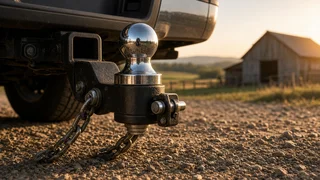
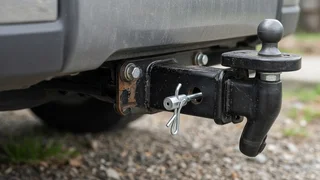
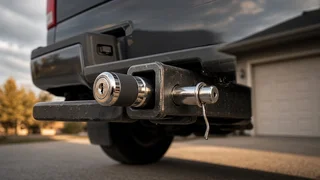
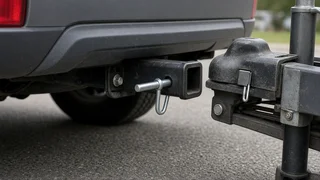
Heavy duty trailer hitch pin
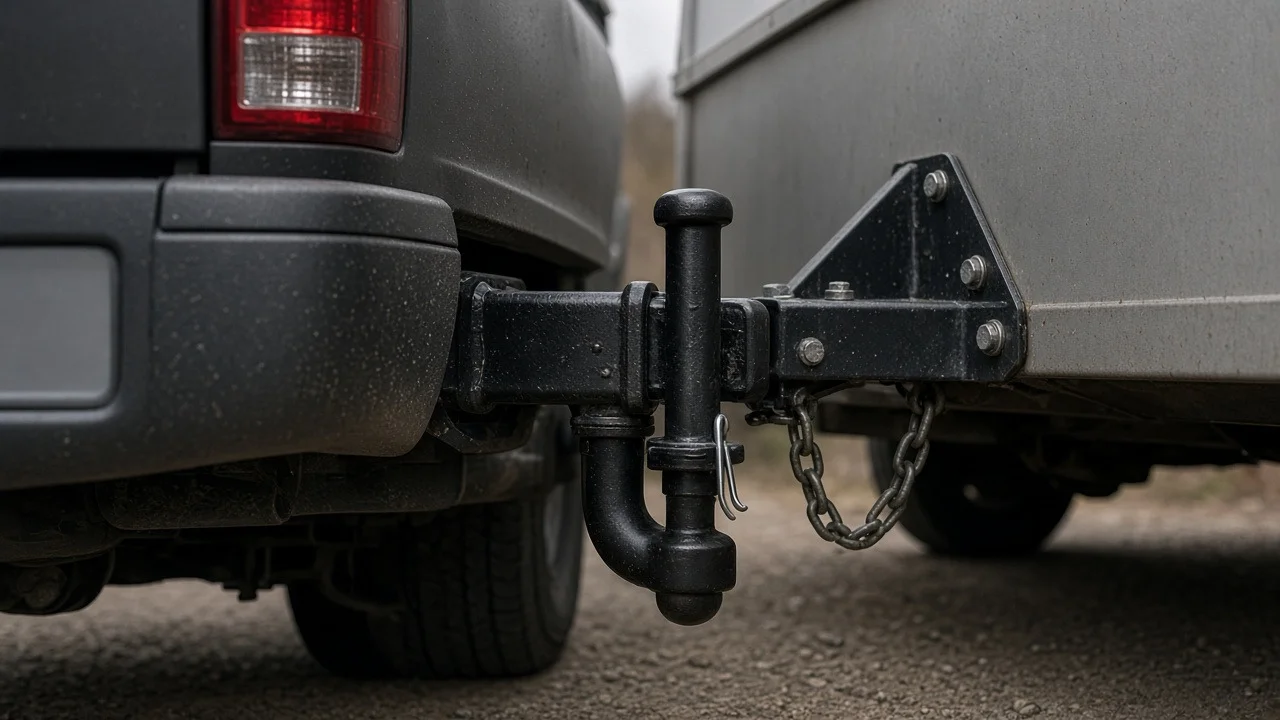
Choosing a heavy duty trailer hitch pin is about matching the pin’s strength and retained design to the way you actually tow. A hitch pin carries lateral load at the receiver connection, so its shank diameter, material, and clip style all affect whether the coupler remains secure over rough pavement. Before buying, compare the pin against the receiver tube size, trailer tongue weight, and any accessories that place repeated side forces on the drawbar. The right pin should install cleanly, resist bending or shearing under shock, and remain easy to inspect before every trip.
The direct answer
For most Class III, IV, and V receiver hitches, a heavy-duty trailer hitch pin is a 5/8-inch diameter pin that passes through the receiver tube and drawbar shank to keep the ball mount from sliding out. The heavier label usually refers to a thicker shank, stainless or hardened steel construction, and a stronger retaining clip or cotter pin rather than a larger head alone. The immediate purchase point is to verify the pin length fits the outside width of the receiver while leaving enough thread or smooth shank for the clip to seat without binding.
A pin that is too soft can deform under repeated tongue weight changes and hard braking, making removal difficult later. A pin with a weak spring clip can vibrate loose on washboard roads, leaving the drawbar free to walk out of the receiver. When comparing options, treat the clip as part of the safety system, not an afterthought. The correct heavy-duty choice should slide through with light hand pressure, sit squarely against both sides of the receiver, and retain the drawbar without relying on the ball mount’s weight alone.