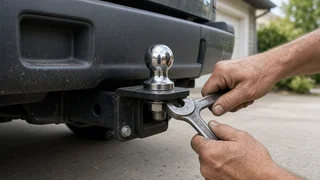
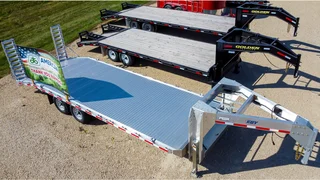
Gooseneck trailer hitch ball
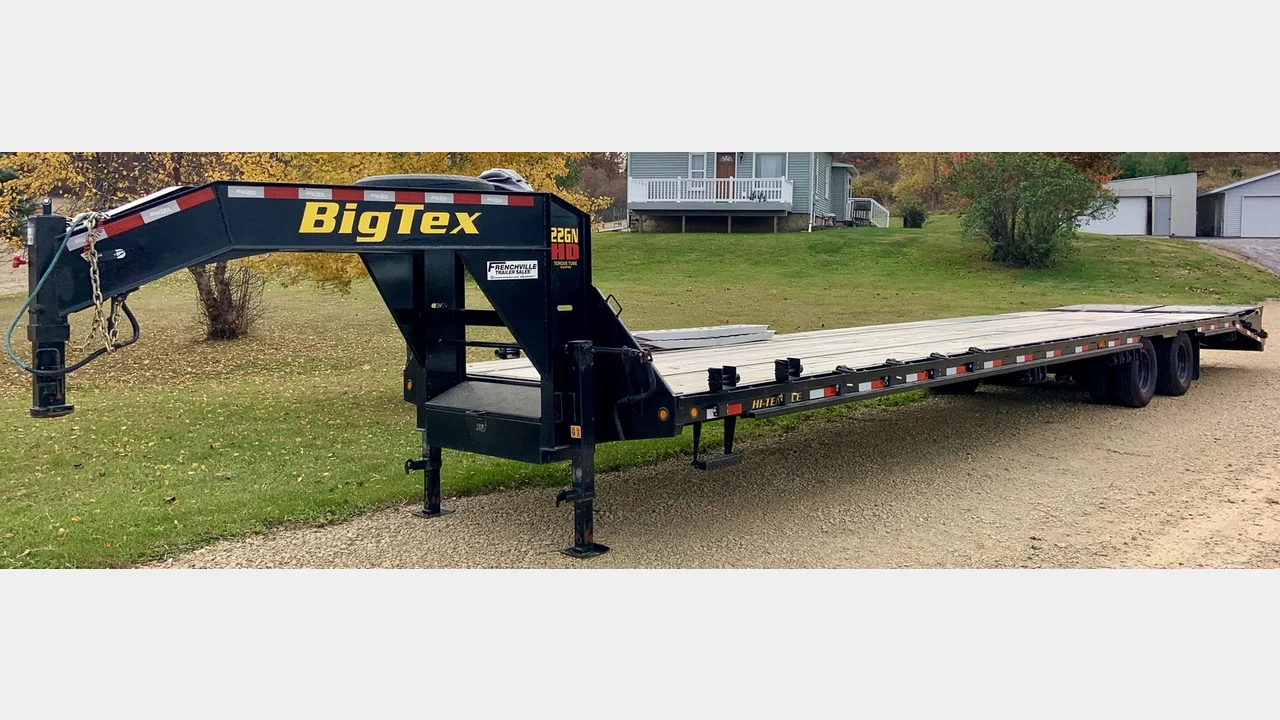
Choosing a gooseneck trailer hitch ball means matching the ball diameter, shank size, and weight capacity to the coupler in the trailer and the mounting socket in the truck bed. A gooseneck setup concentrates load directly over the rear axle, which changes how payload, tongue weight, and combined weight rating interact. The right ball keeps the connection secure without guessing, while the wrong configuration can create dangerous clearance or retention problems during a tow.
The direct answer
The immediate choice is a ball that locks into the bed-mounted socket and has a diameter matching the trailer’s gooseneck coupler, commonly a 2-5/16-inch ball in this class. The shank must fit the receiver tube or under-bed base in the truck. If the coupler is worn, the ball size differs, or the retention pin does not fully seat, the setup is not safe to use until those parts are corrected.
Capacity is the second condition that materially changes the answer. The ball’s load rating must meet or exceed the loaded trailer weight, while the truck’s payload and rear axle rating still cap the actual load. A ball with adequate diameter but low shank strength or poor retention can separate under load. Confirm the ball is designed for gooseneck use, not a lighter bumper-pull or utility application.