Gooseneck trailer safety chains
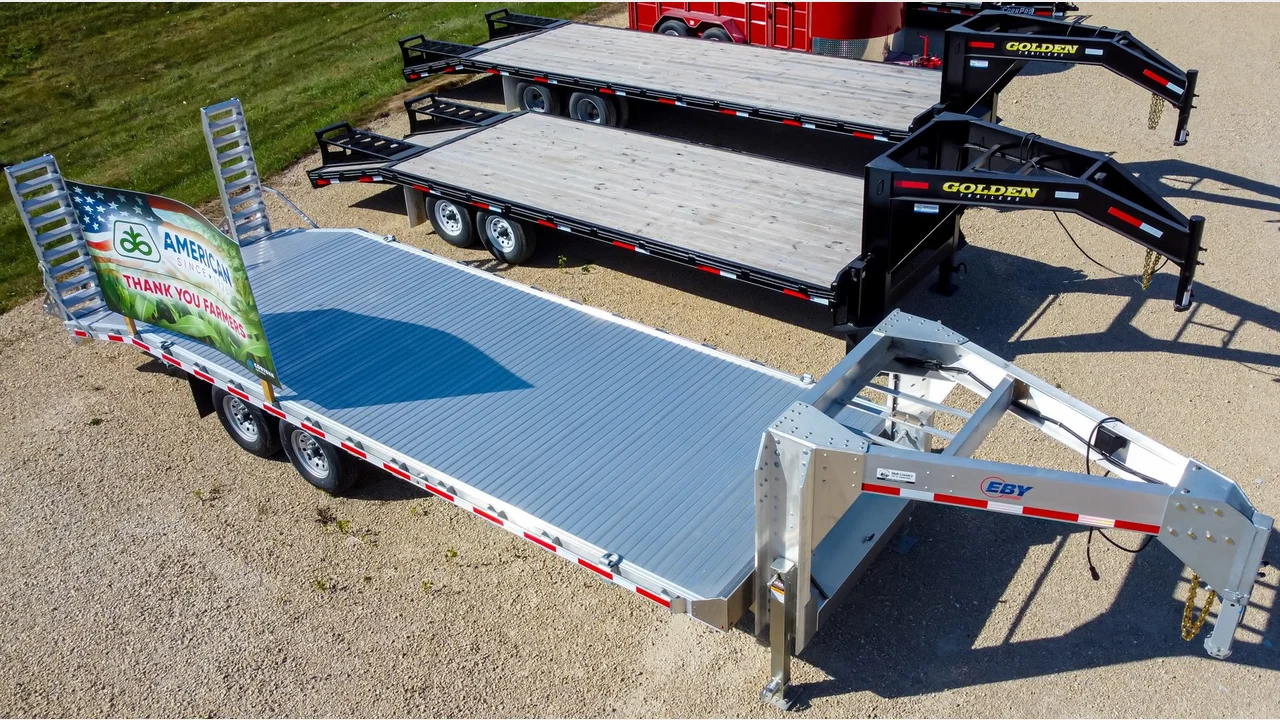
Choosing gooseneck trailer safety chains means matching the chain assembly to the trailer's loaded weight, attachment configuration, and the tow vehicle's hitch setup. The chains are the backup connection if the gooseneck coupler separates from the ball. For buyers, the practical task is not simply finding the heaviest chain; it is selecting a rated assembly that can hold the trailer load long enough to bring it to a controlled stop while staying clear of the road. This guide covers what to check before purchase and why each factor matters.
The direct answer
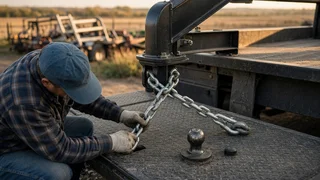
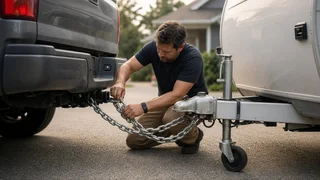
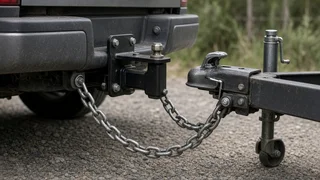
The direct answer is that gooseneck trailer safety chains should be rated for the gross trailer weight and configured to cross beneath the coupler, forming a cradle that catches a detached gooseneck before it can dig into the pavement. The materially important condition is the trailer's actual loaded weight, not its empty weight or the tow vehicle's maximum towing figure. A chain assembly sized for the unladen trailer can be inadequate once cargo, equipment, and fluids are included.
Gooseneck trailers distribute more load over the truck's rear axle than a bumper-pull setup, so the safety chain anchors see different forces if the coupler releases. For this reason, the chain rating must reflect the gross vehicle weight rating of the trailer in its current configuration, while the attachment points on the trailer and the hitch loops on the tow vehicle need enough capacity to accept the chain hooks. Buyers should confirm that every link, hook, and anchor in the assembly matches that weight.