GMT800 steering wheel controls
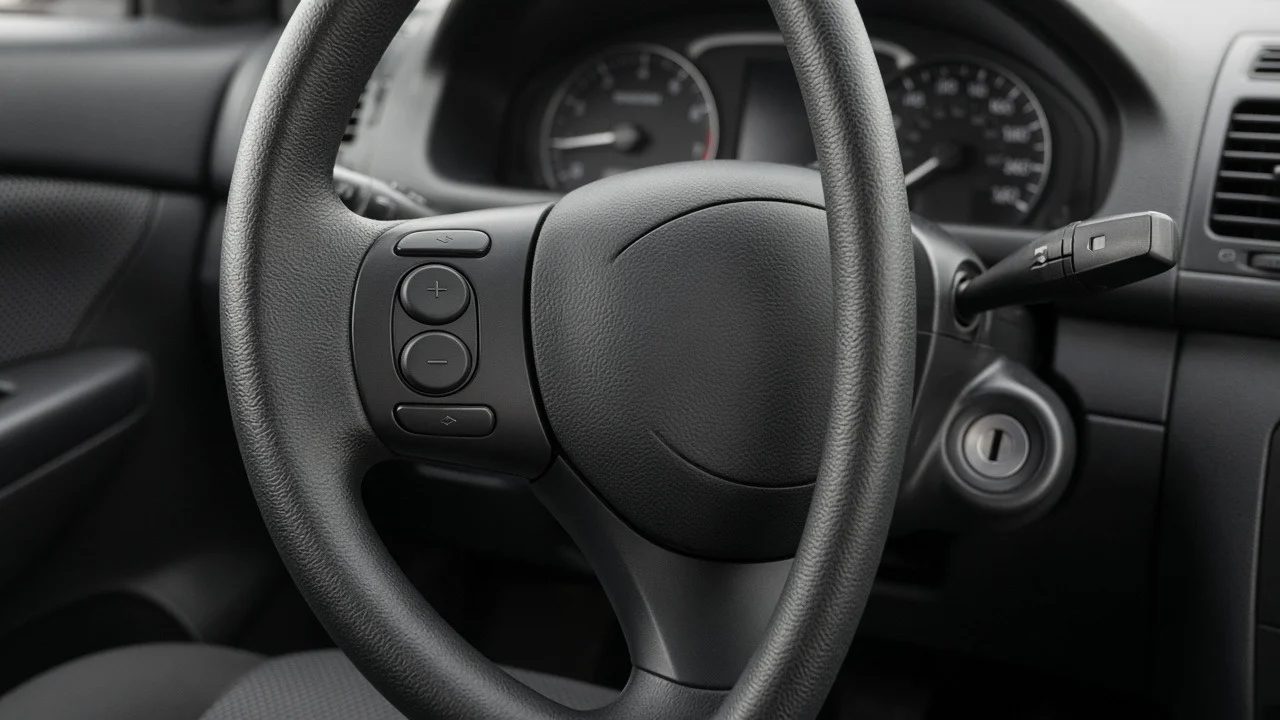
GMT800 steering wheel controls let a driver manage audio, phone, and sometimes driver-information functions without taking a hand far from the rim. On these General Motors trucks and SUVs, the control layout changed across trims, radio generations, and wheel styles, so the same model year can leave owners with different button behavior. Understanding how the switch pods communicate with the receiver clarifies why some replacements, aftermarket radios, and retrofit projects need more than a matching trim piece.
Essential answer
The term refers to the button pods mounted on the steering wheel spokes of GMT800 platform vehicles, typically controlling audio source, volume, seek, and preset functions. Depending on the truck's equipment, the controls may also interact with OnStar or driver information displays. The most important qualification is that these are not universal switches. Their behavior depends on the radio, clock spring circuit, and body control module configuration installed in the specific vehicle.
In practice, the controls act as resistance-based inputs rather than simple on/off signals. Pressing a button changes the resistance seen by the receiver or interface module, and that value tells the system which command was selected. This design keeps wiring simple but makes diagnosis different from a plain switch test. When owners troubleshoot a dead button pod, they are usually checking continuity, resistance values, or the integration path to the head unit.
Aftermarket installation changes the picture because a new radio cannot always interpret the factory resistance ladder directly. A steering wheel interface adapter sits between the truck wiring and the receiver, translating those resistance changes into commands the head unit understands. This is the central piece for retaining controls during a radio upgrade, and compatibility with both the truck platform and the new radio is necessary before assuming the buttons will work.
For drivers who buy a used GMT800 truck or replace a worn steering wheel, control availability may depend on whether the wheel was originally equipped with the pods. Adding controls to a bare wheel can require not just the button assembly but also a compatible clock spring and possibly programming changes. The essential answer is therefore that the controls are a small part of a larger vehicle integration system, not a standalone accessory.